Bedding
Sheets, duvets and comforters — where fiber and weave matter far more than thread count.
We earn a commission if you buy through our links. It doesn't affect our picks — and we never take free products. How this site is funded.
Start here
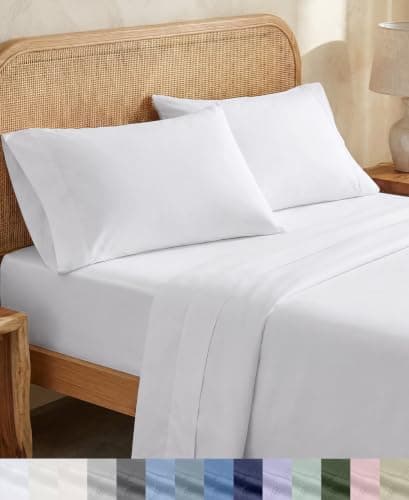
Best Cooling Sheets
The Best Cooling Sheets for Hot Sleepers
Six sheet sets that actually breathe, chosen on fiber and weave rather than marketing — plus who should skip each one.
Our pick: California Design Den Organic Cotton Percale Sheet Set
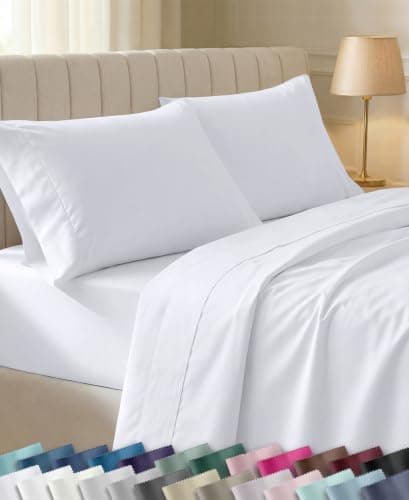
Best Sheets on Amazon
The Best Sheets on Amazon
Six Amazon sheet sets worth buying, plus how to read a listing: why thread count lies, what Egyptian cotton isn't, and the sizing spec that causes most returns.
Our pick: California Design Den 400 Thread Count Cotton Sateen Sheet Set
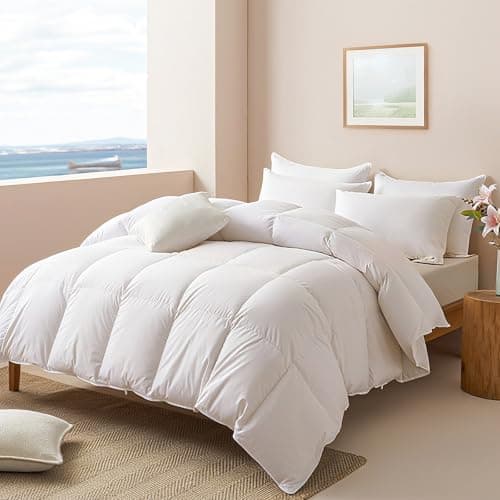
Best Duvet Insert
The Best Duvet Inserts
Six duvet inserts worth buying, plus the two numbers sellers conflate, why baffle-box construction beats box stitching, and how to pick warmth for your room.
Our pick: APSMILE Goose Feather Down Fibers Comforter, Baffle Box
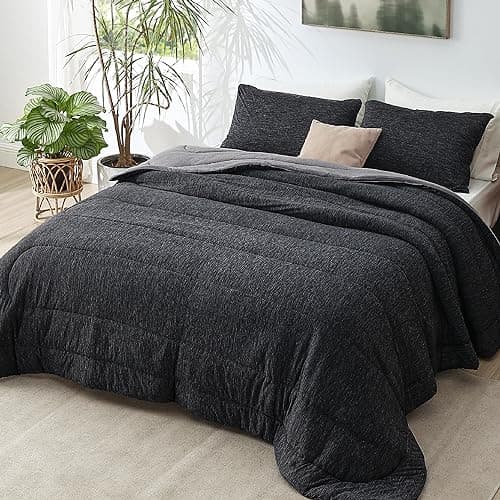
Best Comforter
The Best Comforters
Six comforters worth buying, the comforter-versus-duvet decision most buyers get backwards, and why all-season weight is usually the wrong compromise.
Our pick: Bedsure Queen Comforter Set with Shams
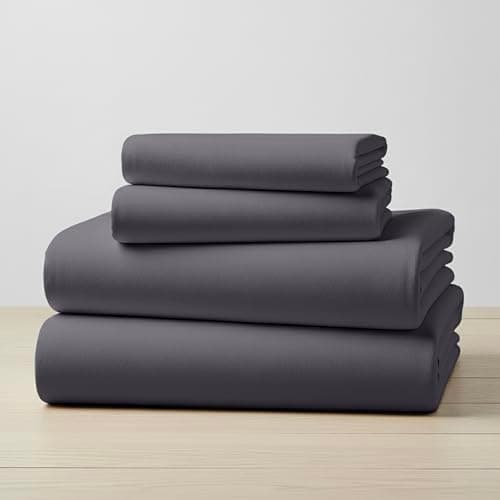
Best Flannel Sheets
The Best Flannel Sheets for Winter
Six genuinely warm cotton flannel sets, chosen on fiber and GSM rather than marketing — with an honest note on who should skip each and the fleece-flannel trap to dodge.
Our pick: Mellanni 100% Cotton Flannel Sheet Set (180 GSM)
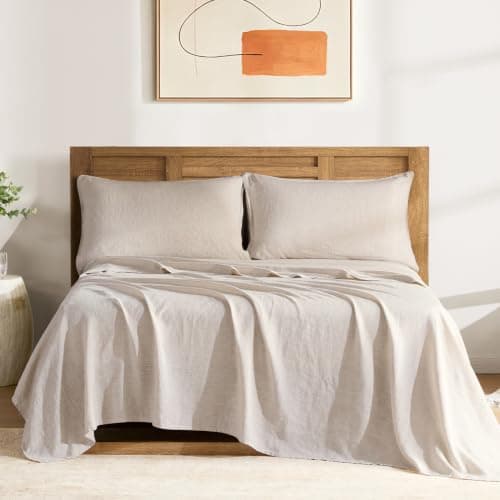
Best Linen Sheets
The Best Linen Sheets
Six linen sheet sets — pure French flax and softer cotton-linen blends — chosen on fiber honesty and value, with the price-and-wrinkle trade stated plainly on each.
Our pick: DAPU 100% Pure French Linen Sheet Set (170 GSM)
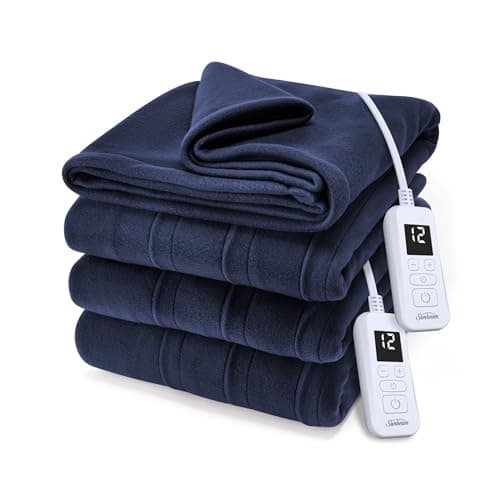
Best Electric Blanket
The Best Electric Blankets, Throws and Heated Mattress Pads
Six honest electric-blanket, throw and heated-mattress-pad picks - chosen by shape and safety features, not lab scores - with a plain-English safety checklist for heated bedding.
Our pick: Sunbeam Royal Ultra Fleece Heated Blanket
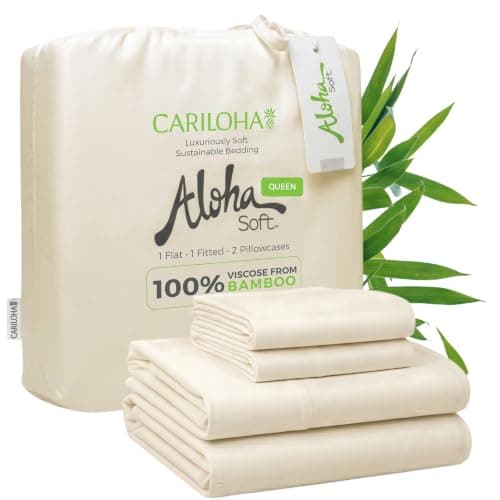
Best Bamboo Sheets
The Best Bamboo Sheets, Chosen Honestly
Six bamboo-viscose sheet sets that sleep silky and cool for hot sleepers — chosen on fiber and label honesty rather than the word bamboo, with real cons on every pick.
Our pick: Cariloha Aloha Soft 100% Organic Bamboo Viscose
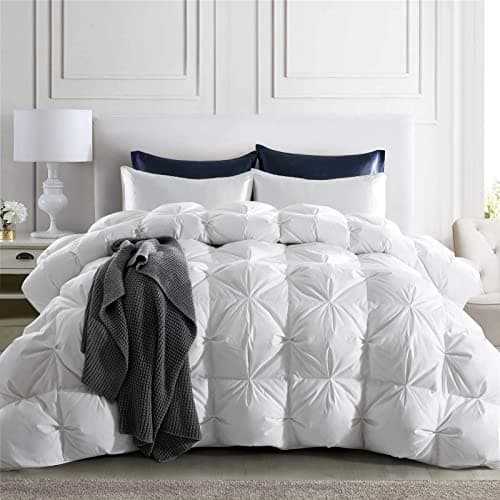
Best Down Comforter
The Best Down Comforters
Six down comforters worth buying, the difference between real down and the feather blends most listings hide, and how fill power, fill weight and the shell decide what you get.
Our pick: puredown 800 Fill Power Goose Down
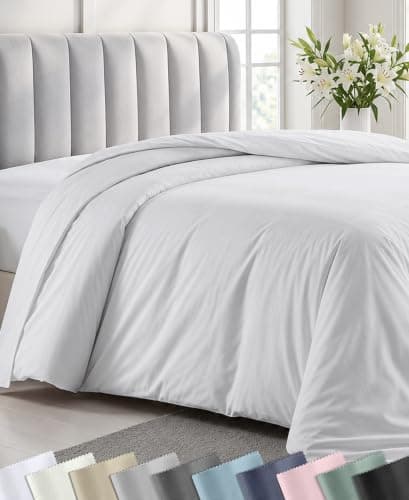
Best Duvet Cover
The Best Duvet Covers
Six duvet covers worth buying, plus the one word on the label that separates cotton from polyester, why corner ties matter more than thread count, and how to size a cover to your insert.
Our pick: California Design Den 400TC Cotton Sateen
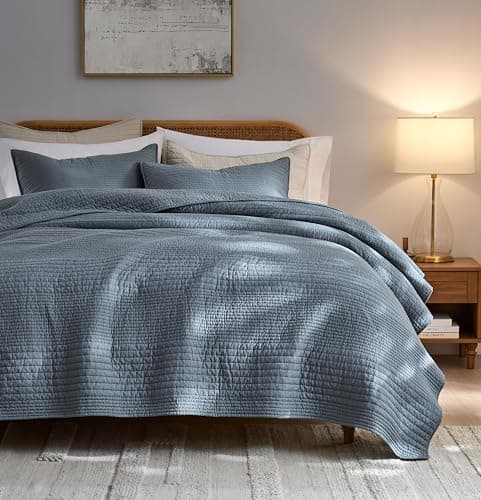
Best Quilt
The Best Quilts and Coverlets
Six lightweight quilts worth buying, the quilt-versus-comforter difference most buyers get backwards, and why 100% cotton beats a cheaper microfiber coverlet.
Our pick: palassio 100% Cotton Quilt Set
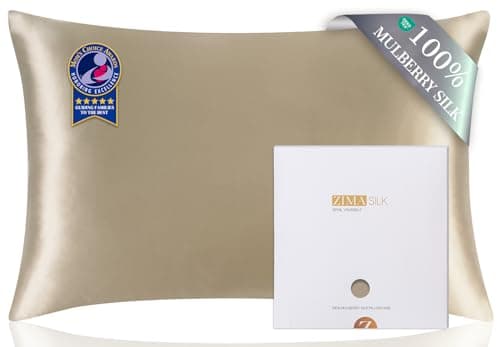
Best Silk Pillowcase
The Best Silk Pillowcases
Six silk pillowcases chosen on momme rather than marketing grade, with honest cons on every pick and a clear-eyed take on what silk really does for hair and skin.
Our pick: ZIMASILK 100% Mulberry Silk Pillowcase
Best Budget
The Best Budget Sheets
Six genuinely cheap sheet sets worth owning, split by fiber - microfiber, cotton and bamboo/rayon - with the honest trade-off of each stated plainly and a note on who should spend a little more.
Our pick: Amazon Basics Microfiber Sheet Set
Warmest for Winter
The Best Comforters for Winter
Six genuinely warm comforters for a cold bedroom, sorted by how each fill holds heat - premium down, temperature-regulating wool, and dense down alternative - with an honest note on who should skip each.
Our pick: puredown 800 Fill Power Goose Down
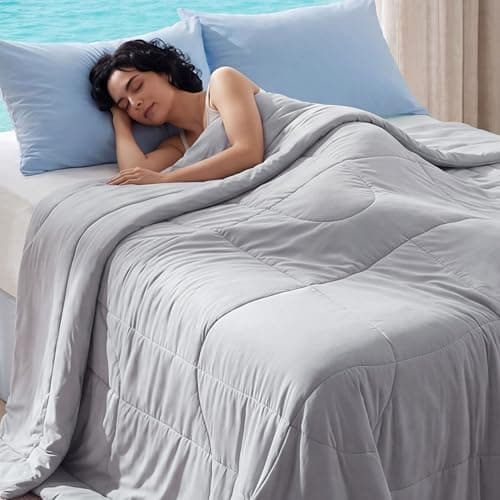
Best Cooling Comforter
The Best Cooling Comforters
Six comforters for hot sleepers and night sweats, sorted by how they actually keep you cool - cold-touch fabric at bedtime versus a light, breathable fill all night - with an honest note on who should skip each.
Our pick: Bedsure Cooling Comforter, Dual-Sided Cool Tech
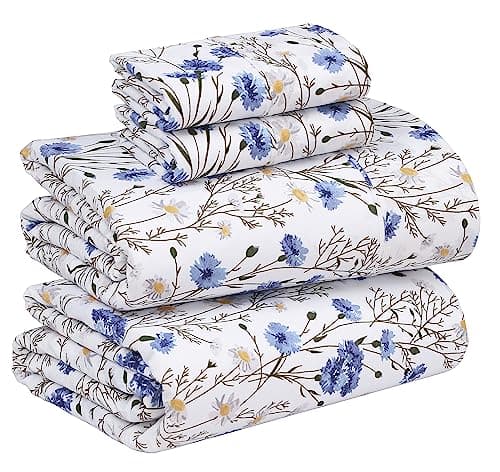
Best Percale Sheets
The Best Percale Sheets
Five percale sheet sets - the crisp, cool, matte cotton weave hot sleepers want - spanning budget organic to a cooling finish, with honest notes on wrinkling and fit.
Our pick: RUVANTI 100% Cotton Percale Sheets
Best Sateen Sheets
The Best Sateen Sheets
Five sateen sheet sets - the silky, lustrous, wrinkle-resistant cotton weave - from a budget 300-count to a plush high-count set, with honest notes on heat, pilling and the thread-count game.
Our pick: California Design Den 100% Cotton Sateen Sheets
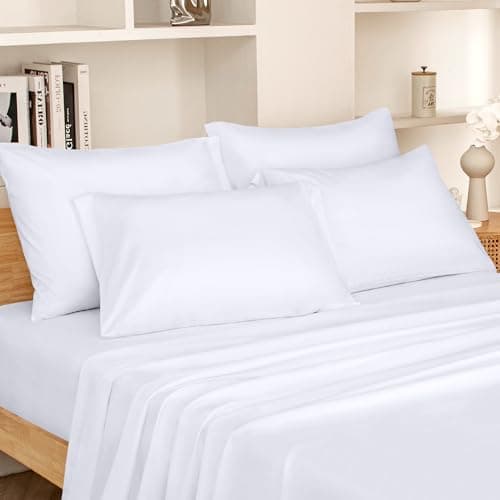
Best Microfiber Sheets
The Best Microfiber Sheets
Six microfiber sheet sets whose listings state the fiber, the pocket depth and the piece count - plus why the 1800 on the box is not a thread count, and who should buy cotton instead.
Our pick: HOMEIDEAS 6-Piece Brushed Microfiber Sheet Set
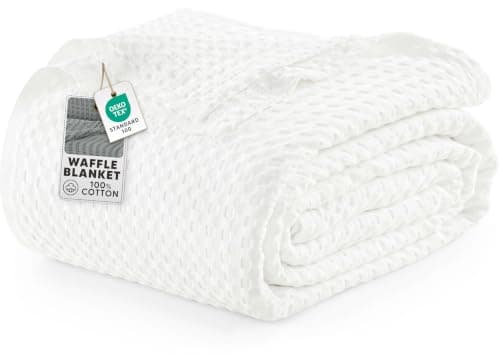
Best Blanket
The Best Blankets
Six blankets worth buying — cotton waffle, fleece, sherpa, cooling and wool — plus the fiber-and-weave logic that decides which one belongs on your bed, and who each pick is wrong for.
Our pick: Utopia Bedding 100% Cotton Waffle Blanket
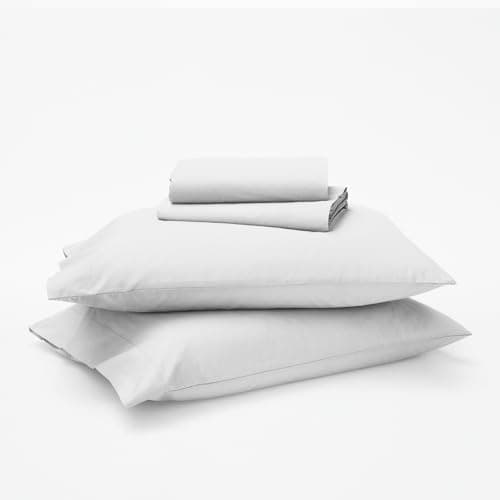
Best Cotton Sheets
The Best Cotton Sheets
Six cotton sheet sets ranked by how verifiable the fiber claim is — Supima over Egyptian over bare 100% cotton — with the staple-length numbers that matter, why thread count doesn't, and honest cons on every pick.
Our pick: Tuft & Needle Supima Cotton Percale Sheet Set
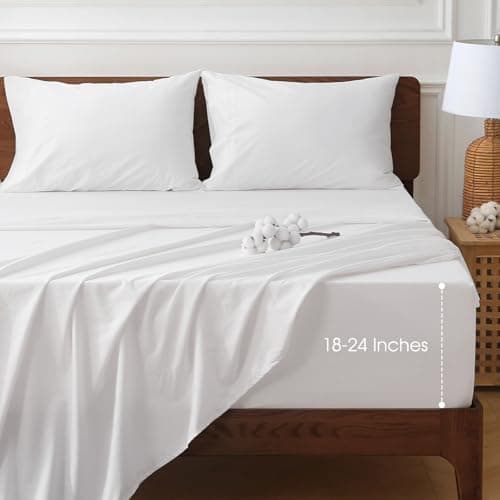
Best Deep-Pocket Sheets
The Best Deep-Pocket Sheets
Six deep-pocket sheet sets ranked by the inches each listing commits to — sewn pocket, stretch ceiling, smallest mattress — plus the elastic and fiber behind the fit, with honest cons on every pick.
Our pick: HYPREST Extra Deep Pocket Queen Sheets, 100% Cotton Percale
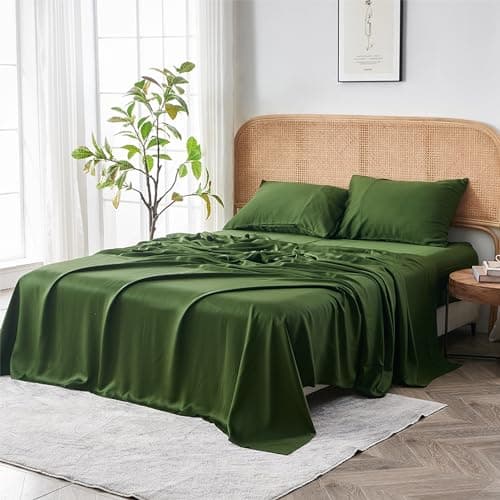
Best TENCEL Sheets
The Best TENCEL (Eucalyptus Lyocell) Sheets
Six TENCEL and eucalyptus lyocell sheet sets ranked on what each listing commits to — 100% lyocell, the TENCEL name, a stated weight, pocket depth and elastic — with the cool-wash care caveat and honest cons on every pick.
Our pick: Sijo AiryWeight Tencel Sheet Set, 100% Lyocell Derived from Eucalyptus (4pc, Queen)
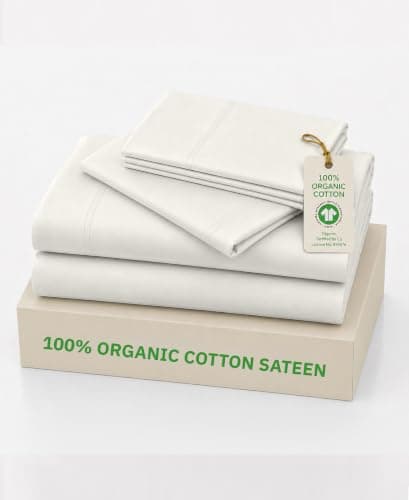
Best Organic Sheets
The Best Organic Sheets
Six organic sheet sets ranked on the standard each listing names - GOTS grade, certificate number, OEKO-TEX - plus weave, pocket and elastic, with honest cons on every pick and a plain account of what "organic" does not buy you.
Our pick: California Design Den 100% Organic Cotton Sateen Queen Sheets Set
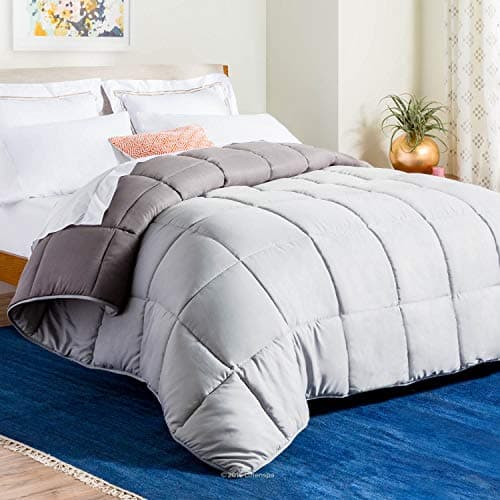
Best Down Alternative Comforter
The Best Down Alternative Comforters
Five down alternative comforters chosen on the three specs that actually matter for polyester fill - shell, stitch pattern and stated warmth weight - plus why fill power means nothing here.
Our pick: Linenspa Reversible Down Alternative Comforter
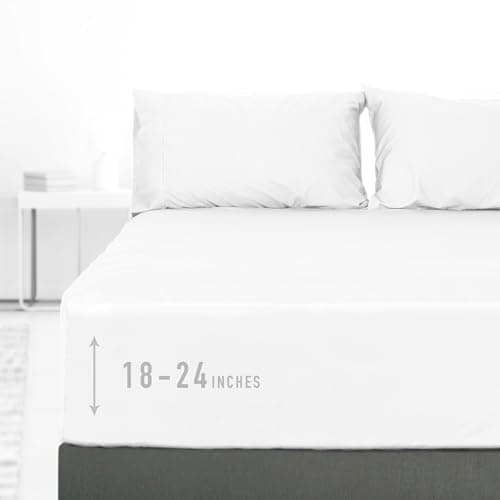
Best Sheets for Adjustable Beds
The Best Sheets for Adjustable Beds
An articulating base is a sheet-removal machine. Five sheets chosen on the three specs that keep one on - all-around elastic, corner straps and pocket depth - with split-king sizing explained honestly.
Our pick: Sunflower Queen Fitted Sheet, Extra Deep, 100% Cotton Sateen
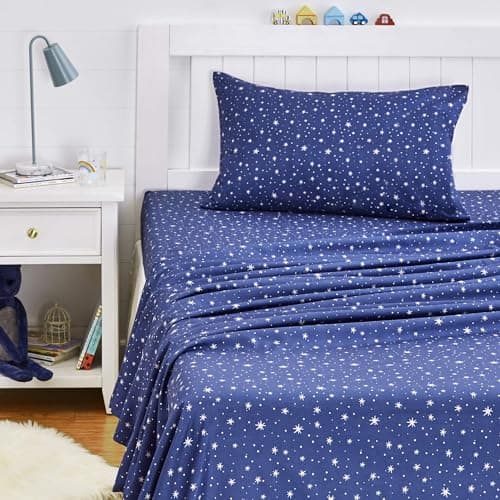
Best Sheets for Kids
The Best Sheets for Kids
Five sheet sets for children's beds, judged on the things that matter at 2am - hot-wash durability, a fitted sheet that grips a thin mattress, and fiber - plus honest notes on sizing and eczema claims.
Our pick: Amazon Basics Kid's Microfiber 3-Piece Sheet Set
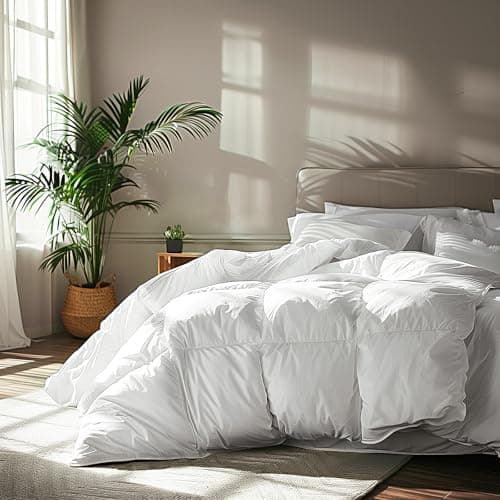
Best All-Season Comforter
The Best All-Season Comforters
Five all-season comforters ranked on the three things a listing can actually prove - what the fill really is, how the shell and stitching are built, and whether the stated size fits your bed. Plus why "down" on a cheap all-season comforter usually is not down.
Our pick: Serta Goose Feather Down Fiber Comforter
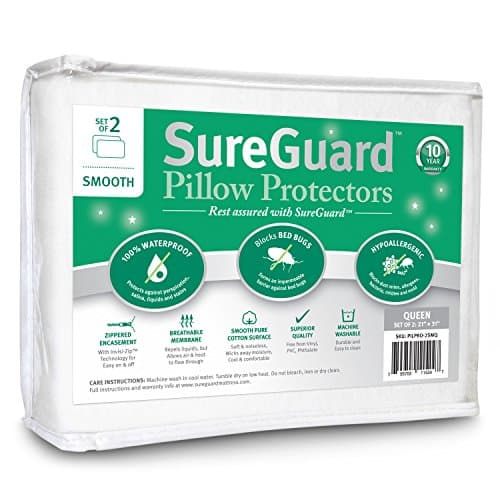
Best Pillow Protector
The Best Pillow Protectors
A pillow protector is the cheapest thing in the bedroom and the most mislabeled. Five picks sorted by the only question that matters - barrier or breathable - plus what the allergy research actually says a cover can do.
Our pick: SureGuard Queen Pillow Protectors (Set of 2)
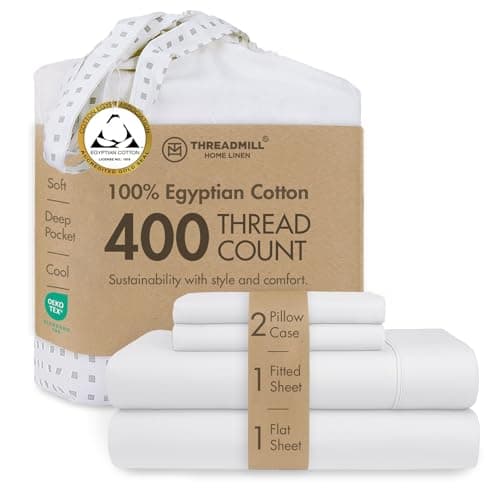
Best Egyptian Cotton Sheets
The Best Egyptian Cotton Sheets
Egyptian cotton is a geography, not a standard, and nobody at Amazon is checking. Five sets ranked on what their listings actually prove - three Egyptian-labeled, two Supima - plus the one checkable alternative.
Our pick: Threadmill 400TC Egyptian Cotton Sateen Sheets
Best Comforter Under $50
The Best Comforters Under $50
Under $50 the fill is polyester and the shell is thin - the decision is construction, not luxury. Five cheap comforters ranked on stitching, loops, stated size and whether you can wash them at home.
Our pick: Linenspa Reversible Down Alternative Comforter
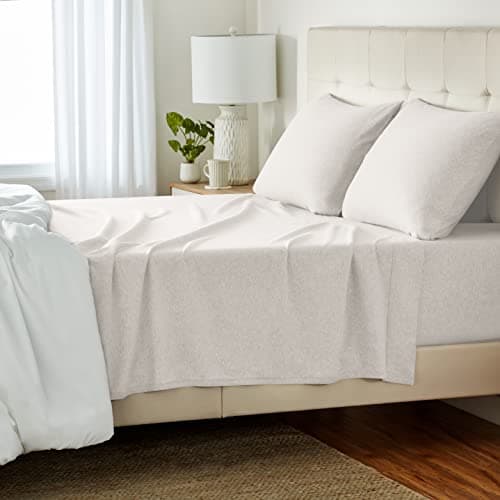
Best Jersey Sheets
The Best Jersey Sheets
Jersey sheets are knitted like a T-shirt, which means thread count is meaningless and stretch does the fitting. Five sets ranked on fiber content, stated pocket depth and what the knit will do after a year of washing.
Our pick: Amazon Basics 100% Cotton Jersey Knit Sheet Set, Deep Pockets
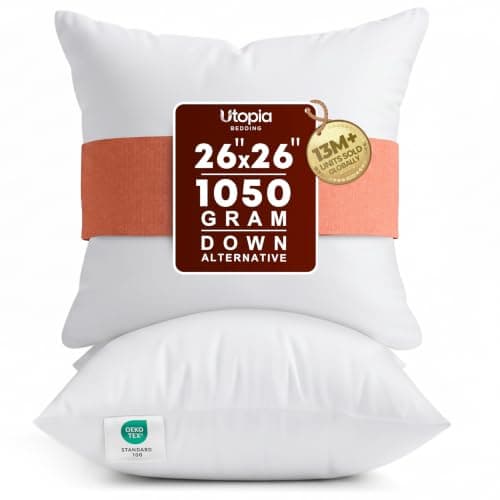
Best Euro Pillow Inserts
The Best Euro Pillow Inserts
A Euro insert is decoration, not bedding - which means the only specs that matter are whether it fills the sham to the corners and whether the fill holds a shape. Five inserts ranked on size, fill type and cover fabric.
Our pick: Utopia Bedding 26x26 Pillow Inserts, 2 Pack
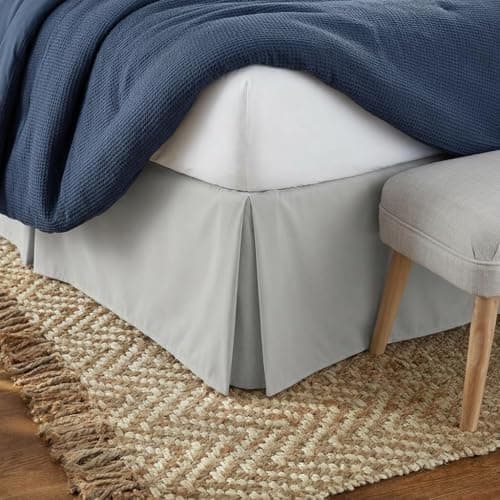
Best Bed Skirt
The Best Bed Skirts
A bed skirt is bought on two numbers and one decision: the drop from your box spring to the floor, and whether you are willing to lift the mattress to install it. Five skirts ranked on both, plus who should not buy one at all.
Our pick: Linen Market Bed Skirt, Microfiber, 14 in Tailored Drop
Bedding is where the marketing is worst
Mattress marketing at least has physics to argue with. Bedding marketing has thread count — a number that has been so thoroughly abused that it now tells you almost nothing about the sheet you're buying. If you take one thing from this section, take this: fiber and weave decide how a sheet behaves. Everything else is packaging.
The thread count lie, briefly
Thread count is threads per square inch. It stops being meaningful at about 400, and above that it's usually being inflated on purpose. The trick is multi-ply yarn: take a thin, weak thread, twist three of them together, and count them as three. A "1,000 thread count" sheet is often a 333-thread-count fabric made of thinner, cheaper yarn than a genuine 300 single-ply percale — and it will feel heavier, sleep hotter and wear out faster. A very high number on a cheap sheet is a warning sign, not a feature.
Weave is the part that matters
Percale and sateen are both usually cotton. The difference is how the threads cross. Percale is a simple one-over-one-under grid: matte, crisp, breathable — the hotel-sheet feel. Sateen floats several threads across the surface before tucking under, which gives it a silky drape and a slight sheen, and traps more heat in the process. Neither is better; they're for different people. If you sleep hot, you want percale, and this is the full comparison.
Fiber decides the temperature ceiling
Linen breathes better than cotton and gets softer with every wash, which is why it costs what it does and why it looks rumpled forever. Cotton is the sensible default. Microfiber is polyester — it's cheap, it's soft on day one, and it is essentially a plastic sheet: it does not breathe, and a hot sleeper will notice within a week. Bamboo viscose sits between cotton and linen, and the "eco" framing on it is mostly noise given how it's processed. And "cotton" is not one material either — the length of the individual fiber is what separates a set that softens for a decade from one that pills in a year, which is why our cotton sheet picks are ranked by how verifiable each listing's fiber claim actually is. The same rule runs the other way at the premium end: on a "eucalyptus" listing the tree is marketing, lyocell is the fiber, and TENCEL is a brand name — so our TENCEL sheet picks are ranked on which of those three words each listing actually commits to.
Pocket depth is a number, not a word
None of that matters if the fitted sheet won't reach around the mattress. Beds have gotten taller and toppers add more, and "deep pocket" has no agreed meaning — one seller's "deep pocket" fitted sheet is listed for mattresses up to 14 inches, another's "extra deep" set starts at 18. Measure the bed with everything on it, then read the inches, not the label. Our deep-pocket sheet picks are ranked on exactly that.
"Organic" is a claim, not a fabric
The USDA regulates the word organicfor cotton while it's still a crop in a field, and its own policy memo on textiles says the rules include no processing or manufacturing standards for the finished product. So the word on a sheet package is doing a job no federal rule defines, and the only question worth asking is which private standard the listing names — GOTS, with its two very different grades, or nothing at all. Our organic sheet picks are ranked on that, and on the one listing in the category that prints a certificate number you can actually look up.
Start here if your bed is too hot
This is the most common reason people end up on a bedding page, and it's worth being blunt about the order of operations. If you're overheating at night, sheets are the cheapest thing to change and they make a real difference — far more than the "cooling" label on a foam mattress ever will. Start with cooling sheets. Then look at your pillow, which sits under the hottest part of you. Only after those two fail is it worth thinking about the mattress itself— and that's us talking you out of the most expensive thing we sell.
"All-season" is a rung, not a measurement
There is no standards body behind the words lightweight, all-season and extra warmth on a comforter, so two comforters carrying the same label can differ in fill weight by a factor of two. And the word down on an all-season comforter in this price bracket almost always means down fiber— which the US down industry's own labeling standard explicitly refuses to count toward the 75% down-cluster minimum required to call something DOWN. Our all-season comforter picks are ranked on what each listing will actually commit to: the real fill, the shell, the stitch construction and the size in inches.
The cheapest thing in the room
A pillow protector costs less than a pillowcase and decides whether the pillow under it lasts two years or five, because sweat and hair oil soak straight through a case into the fill. The catch is that every protector is either a barrier or breathable, never both — a waterproof one is a vapor barrier and will sleep warmer. Our pillow protector picks are sorted on that single trade-off, with the allergy research on what a cover genuinely does and does not achieve.
Duvet, comforter, or both?
Americans and Britons use these words differently, which is why the listings are a mess. A comforter is a single quilted unit you put on the bed as-is — one piece, no cover, and you wash the whole thing. A duvet insert is a plain white filled shell designed to live inside a removable cover, so you only ever wash the cover. The insert route costs more up front and is dramatically easier to live with. The comforter route is simpler and cheaper until the first spill.
We cover them separately — duvet inserts here and comforters here— because they're genuinely different purchases with different failure modes.
Fill power vs fill weight
These get conflated constantly and they measure different things. Fill power is how much space an ounce of down occupies — it's a measure of quality and loft, so a higher number means more warmth for less weight. Fill weight is simply how much stuff is in there. A high-fill-power, low-fill-weight duvet is light and warm, which is the expensive combination. A cheap duvet reaches the same warmth by stuffing in more low-grade fill, so it ends up heavy and flat.
New in bedding
Two additions worth pointing at. "Egyptian cotton" is a place name rather than a certification, and nobody at a marketplace is checking it, so our Egyptian cotton sheet picks rank that category on what each listing actually proves and name the Supima set we would buy instead. And because under $50 the fill is always polyester and the decision is construction rather than luxury, comforters under $50 judges five cheap comforters on stitching, loops and stated size.
How we pick
We haven't slept under any of this. We read what the listing actually commits to — fiber, weave, fill power, construction, care instructions — and we apply what those materials genuinely do. Where a claim can't be checked, we say so instead of dressing it up. Our full method is here.