
Pillows
The cheapest thing in the bed to get right, and the one most people get wrong.
We earn a commission if you buy through our links. It doesn't affect our picks — and we never take free products. How this site is funded.
Start here
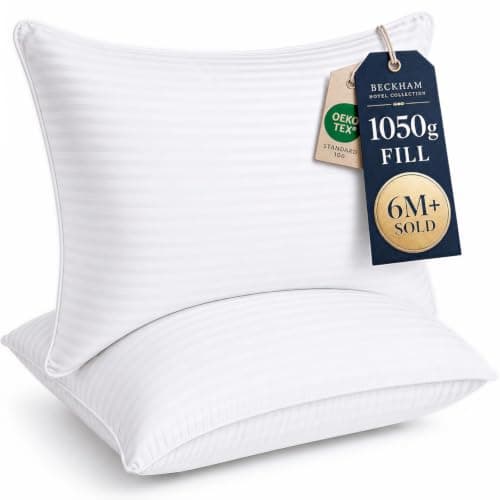
Best Soft Pillow
The Best Soft Pillows
Five pillows soft and low enough to let a head settle close to the mattress instead of propping it up — plush down, soft down-alternative fiber, and an adjustable emptied out — with honest cons and a skip note on every one.
Our pick: Beckham Hotel Collection Down Alternative (Set of 2)
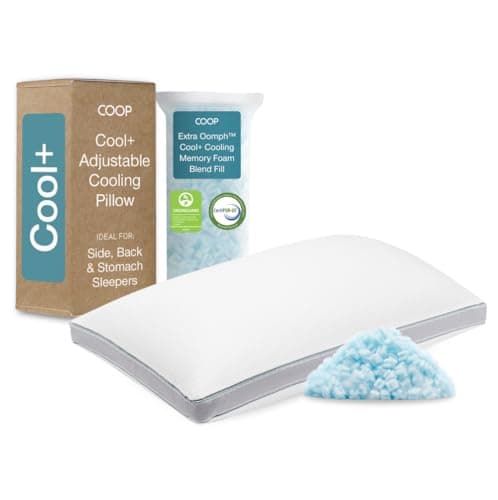
Best Cooling Pillow
The Best Cooling Pillows
Six cooling pillows that actually move air, an honest read on gel infusions, and a note on who each one is wrong for.
Our pick: Coop Home Goods Cool+ Adjustable Pillow, Queen
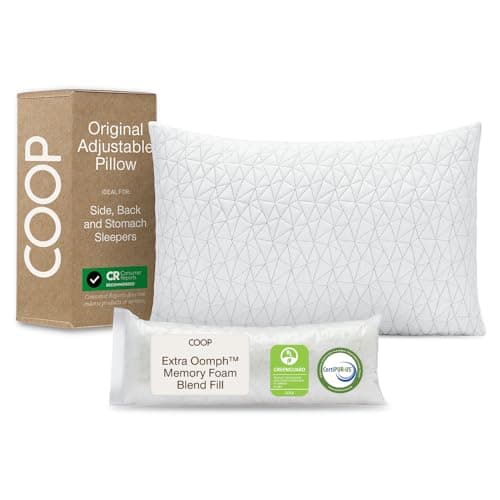
Best Pillow for Neck Pain
The Best Pillows for Neck Pain
Six pillows ranked by loft and support geometry — plus a straight answer about what a pillow can and cannot do for your neck.
Our pick: Coop Home Goods Original Adjustable Pillow, Queen
Best Pillow for Side Sleepers
The Best Pillows for Side Sleepers
Six pillows tall and firm enough to fill a side sleeper's shoulder gap without collapsing into it by midnight.
Our pick: Nest Bedding Easy Breather Memory Foam Pillow, Side Sleeper
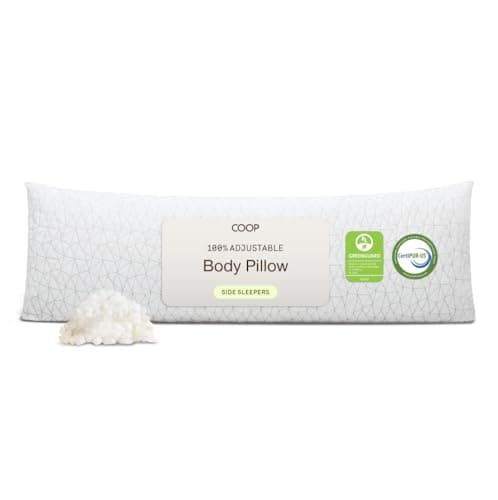
Best Body Pillows
The Best Body Pillows
Six body pillows sorted by the thing that actually matters — shape — for side sleepers and pregnancy, with an honest note on who each is wrong for.
Our pick: Coop Home Goods Original Adjustable Body Pillow
Best Pillow
The Best Pillows, Picked by How You Sleep
Six pillows picked by sleeping position and fill type — side, back, stomach, adjustable vs fixed — with honest cons and a skip note on every one.
Our pick: Coop Home Goods Original Adjustable
Best for Back Sleepers
The Best Pillows for Back Sleepers
Six pillows that hit the medium loft a back sleeper needs — enough to fill the neck's hollow without tipping the head forward — with honest cons on every pick.
Our pick: Coop Home Goods Original Adjustable
Best for Stomach Sleepers
The Best Pillows for Stomach Sleepers
Six low-profile pillows for stomach sleepers, led by dedicated ultra-thin pillows and an adjustable you can empty out flat — with honest cons and a skip-this-one on every pick.
Our pick: Coop Home Goods Original Adjustable
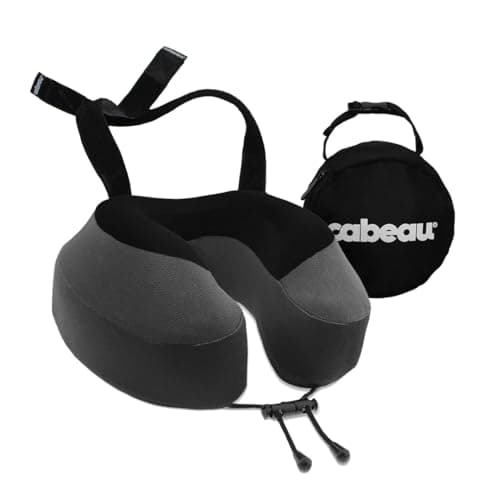
Best Travel Pillow
The Best Travel Pillows
Six travel pillows sorted by mechanism, not brand — because a plain U-pillow only stops sideways lean, and the thing that wakes you upright is your head dropping forward.
Our pick: Cabeau Evolution S3
Best Memory Foam Pillow
The Best Memory Foam Pillows, Adjustable vs Contour
Six memory foam pillows split by the only distinction that matters — adjustable shredded fill you can dial versus a fixed contour you must match to your position — with honest cons and a skip note on every one.
Our pick: Coop Home Goods Original Adjustable
Best Down Alternative Pillow
The Best Down Alternative Pillows
Six down alternative pillows — the soft, washable, hotel-style fiber pick — ranked by plushness, gusset support and cooling, with honest cons and a skip note on every one.
Our pick: Beckham Hotel Collection Down Alternative (Set of 2)
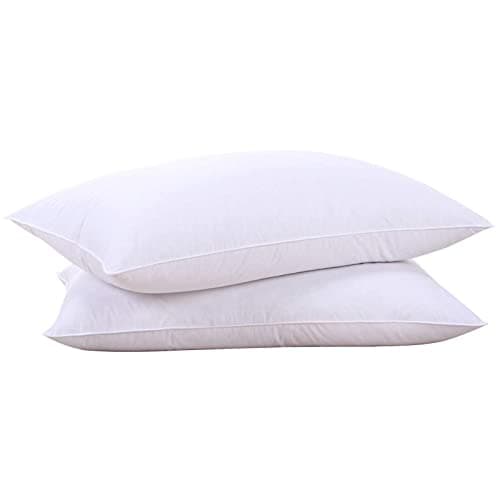
Best Down Pillow
The Best Down Pillows
Six real goose down and feather pillows, sorted by how much down is actually in them — plush pure down to firmer feather blends — with honest cons and a skip note on every one.
Our pick: puredown Goose Feathers and Down Pillows (Set of 2)
Best Adjustable Pillow
The Best Adjustable Pillows
Five adjustable pillows you tune yourself by adding or removing shredded fill — the fix for the pillow that never fits, for in-between sleepers, and for couples who need different heights — with honest cons and a skip note on every one.
Our pick: Coop Home Goods Original Adjustable
Best for Combination Sleepers
The Best Pillows for Combination Sleepers
Six pillows for sleepers who change position all night — adjustable, moldable picks you can set to a medium loft that survives side, back, and stomach — with honest cons and a skip note on every one.
Our pick: Coop Home Goods Original Adjustable
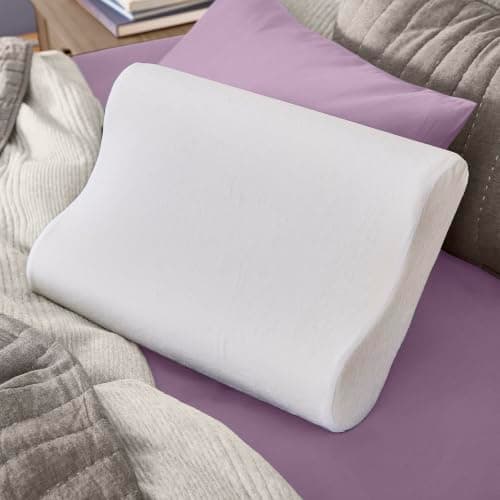
Best Firm Pillow
The Best Firm Pillows
Five pillows firm enough to hold their loft under a head all night instead of collapsing flat — solid foam, adjustable packed firm, and heavily-filled down — with honest cons and a skip note on every one.
Our pick: Sleep Innovations Memory Foam Contour
Best Cheap
The Best Cheap Pillows
Five budget pillows genuinely worth buying - soft two-packs, a gusseted value set, a cheap foam contour and a cheap cooling pick - each with honest cons and a skip note. The honest budget truth: cheap pillows die faster, so treat them as a consumable you replace on a schedule.
Our pick: Beckham Hotel Collection Down Alternative (Set of 2)
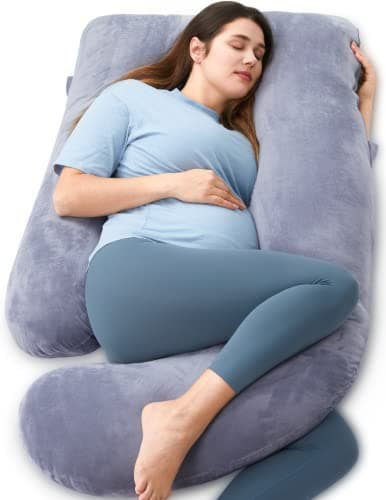
Best Pregnancy Pillows
The Best Pregnancy Pillows
Five pregnancy pillows sorted by shape (U, J and extra-long), covering budget, cooling and small-bed options - with honest notes on bed space and who should skip each.
Our pick: Momcozy U-Shaped Full Body Pillow
Best Latex Pillows
The Best Latex Pillows
Five latex pillows - responsive, cool and durable, the anti-memory-foam - spanning a value Talalay, an adjustable contour and a certified-organic option, with honest cons.
Our pick: Bouhmoy Talalay Natural Latex Pillow
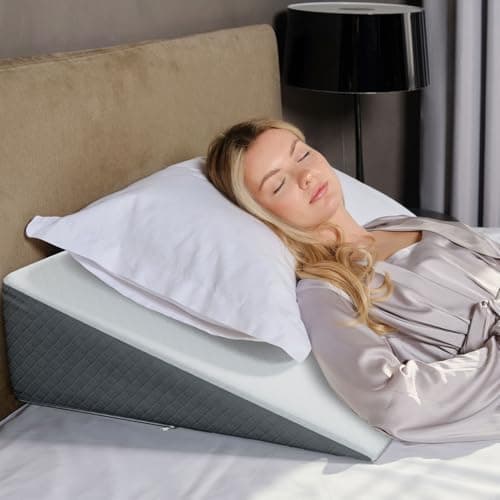
Best Wedge Pillows
The Best Wedge Pillows
Five wedge pillows sorted by incline - from a gentle reading angle to a steep reflux slope and adjustable recovery sets - with honest, non-medical notes on who each suits.
Our pick: Kolbs Bed Wedge Pillow
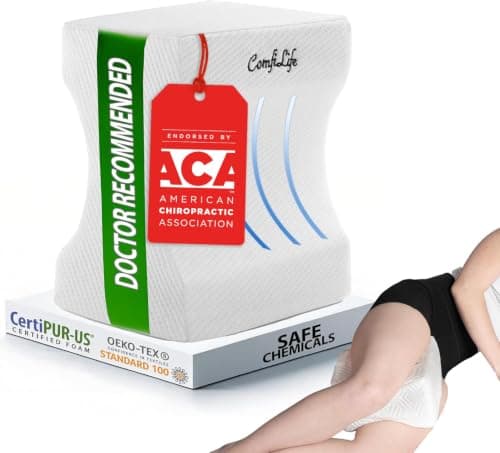
Best Knee Pillows
The Best Knee Pillows
Seven knee pillows sorted by height and shape - between-the-knees contours for side sleepers, a half-moon bolster for back sleepers, a strapped one that stays put, and the budget entry.
Our pick: ComfiLife Orthopedic Knee and Leg Pillow
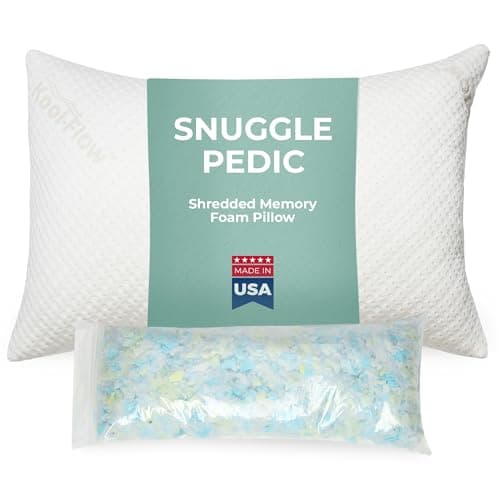
Best Bamboo
The Best Bamboo Pillows
Six bamboo pillows worth buying, ranked by what each listing actually commits to — the fiber name the FTC asks for, the fill type, the adjustability — plus honest cons and a skip-this-one note on every pick.
Our pick: Snuggle-Pedic Adjustable Memory Foam Pillow (Viscose of Bamboo Cover)
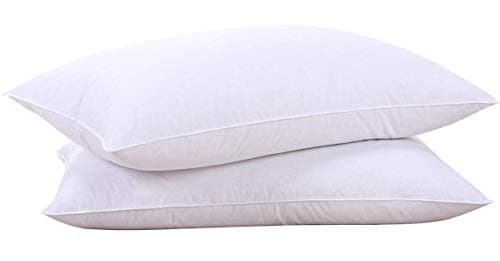
Best Feather Pillow
The Best Feather Pillows
Feather pillows are cheap, heavy, sculptable and full of quills. Five ranked on fill, shell weave and gusset construction, with an honest answer on what the premium versions actually buy you.
Our pick: puredown Goose Feathers and Down Pillows, Standard (Set of 2)
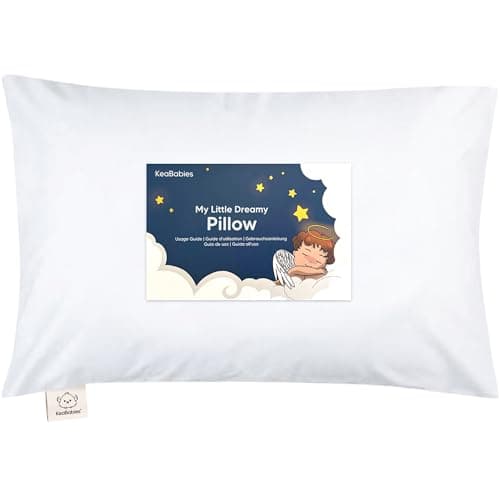
Best Kids' Pillow
The Best Pillows for Kids
A pillow for a child is a size decision, not a comfort decision - adult loft bends a small neck. Five toddler and youth pillows on stated size, loft, shell and washability, with the safe-sleep age guidance first.
Our pick: My Little Dreamy Toddler Pillow with Pillowcase, 13 x 18 in
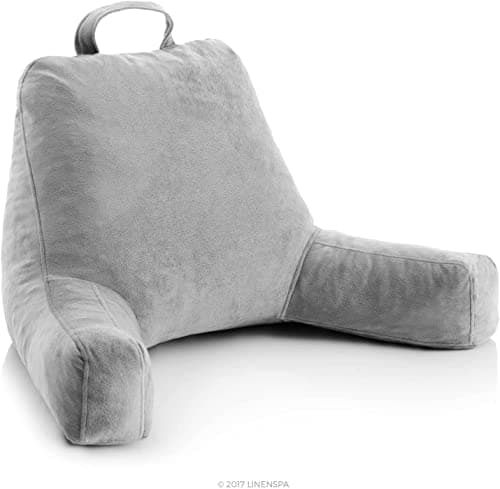
Best Reading Pillow
The Best Reading Pillows
A reading pillow stands or falls on three things: how far up your back it reaches, whether the fill collapses under load, and whether the cover comes off. Five backrests ranked on all three, with the wedge-pillow distinction made plain.
Our pick: Linenspa Reading Pillow with Arms, Shredded Memory Foam, Standard
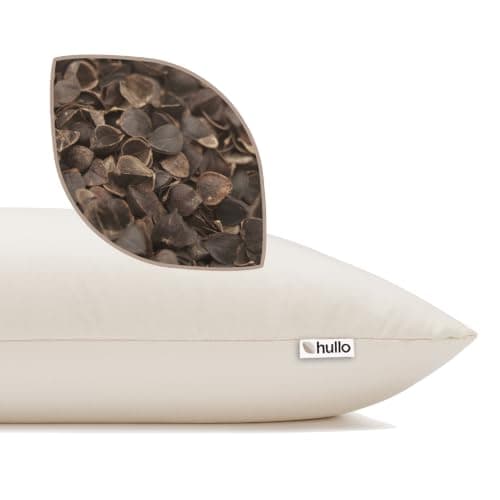
Best Buckwheat Pillow
The Best Buckwheat Pillows
A buckwheat pillow does not compress - the hulls move out of the way and then stay put, which is why it feels firm, holds a position all night and weighs five times what your old pillow did. Five ranked on size, hull quality and adjustability.
Our pick: Hullo Buckwheat Pillow, Small (14x20), Organic, Made in USA
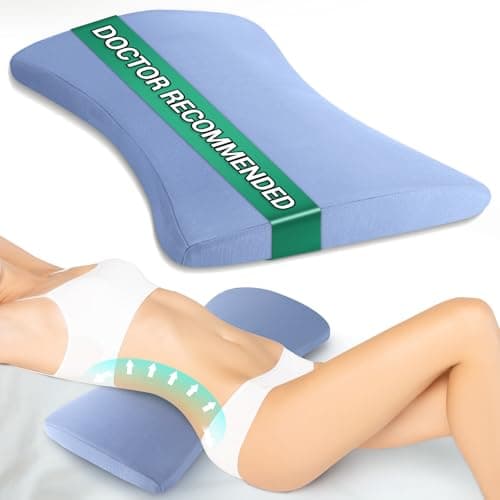
Best Lumbar Pillow
The Best Lumbar Pillows for Bed
Lying on your back leaves an unsupported gap under your lumbar curve; a lumbar pillow fills it. Five ranked on height, firmness and whether they stay in position - plus which ones are really office-chair cushions.
Our pick: vamorry Lumbar Pillow for Sleeping, Memory Foam Lower Back Support
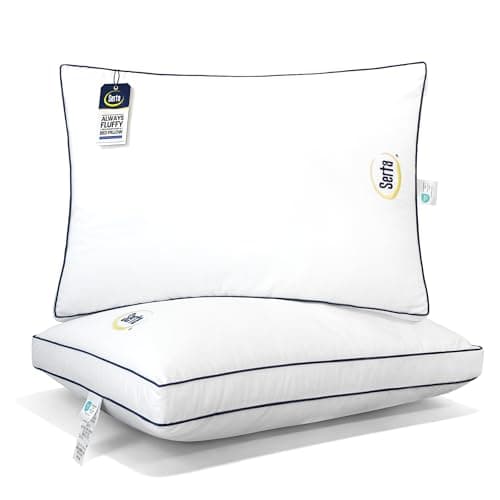
Best Hotel-Style Pillow
The Best Hotel Pillows
Hotel collection is an unregulated phrase that appears on pillows costing twenty dollars and eighty. Five two-packs ranked on the three specs that actually separate them: cover fabric, gusset and fill type.
Our pick: Serta Bed Pillows, Queen/Standard, Set of 2, 400 Thread Count Cotton Cover
The cheapest fix in the bed, and the one most people get wrong
People spend $700 on a mattress and then put a $12 pillow on it that they bought in 2019 and have never thought about since. If something in your bed is wrong and you can only change one thing, change the pillow first. It costs a fraction of a mattress, it's the single biggest lever on neck position, and it sits under the hottest part of your body.
Loft is the whole game
Loft means height. The job of a pillow is to fill the gap between your head and the mattress so your neck stays in line with the rest of your spine — no more, no less. That gap is set almost entirely by your sleeping position, which is why "the best pillow" isn't a thing that exists.
- Side sleepers need the most loft.Lying on your side opens a gap between your ear and the mattress roughly as wide as your shoulder. A thin pillow lets your head drop toward the mattress and bends your neck downward all night. Side sleepers want a high, firm pillow that won't collapse into that gap — which is a whole page.
- Back sleepers need medium loft. The gap is only as deep as the curve of your neck. Too much height pushes your chin toward your chest.
- Stomach sleepers need almost none. There is barely any gap at all, so a lofty pillow cranes the neck backwards. Some stomach sleepers genuinely do better with no pillow.
Your shoulder width matters here too, and it's why two side sleepers can need different pillows. Broader shoulders open a wider gap and need more loft to fill it.
Fill decides how the loft behaves over a night
Loft on the packaging is loft when new and unweighted. What you care about is the loft still there at 4am with your head on it.
- Solid memory foamholds its shape best and insulates worst. One piece of foam has nowhere for air to go, so it's the hottest option in the category.
- Shredded foam is the sensible middle: air moves between the pieces, and most shredded pillows let you take fill out to tune the loft to your body — the single most useful feature a pillow can have.
- Latex is naturally more open-celled, so it breathes better than memory foam and springs back rather than slowly sinking.
- Down and down-alternativefeel lovely and compress. They're comfortable for back and stomach sleepers and structurally wrong for most side sleepers, because they flatten into exactly the gap you needed filled.
Notice that the cover fabric isn't on that list. A pillow's cover is a zip-off sleeve that usually has a pillowcase over it anyway, so it decides very little about how the pillow performs — even though it's the thing most listings lead with. The "bamboo" shelf is the clearest case: those pillows are shredded foam in a rayon sleeve, and the label is worth reading for what it tells you about the seller rather than what it tells you about the pillow.
If you sleep hot, start here
Your head throws off a serious share of your body heat, and it sits pressed into an insulating block all night. That makes the pillow an unusually efficient place to intervene — cheaper than sheets, far cheaper than a mattress. Our cooling picks are here, and the honest summary is that airflow beats gel: a shredded or latex fill that lets air move will out-perform a solid foam block with a cooling coating on top, because the coating saturates and the airflow doesn't.
If the whole bed runs hot rather than just your head, the pillow is only one part — sheets are the other cheap lever, and foam versus hybrid is the expensive one.
Three pillows that aren't about your sleeping position
Most of this hub sorts pillows by how you sleep, because for the pillow under your head that is the variable that decides everything. Three shelves don't work that way — they're decided by what the pillow is made of, who it is for, or what you are doing while you use it.
- Feather. Not the same thing as down, and the difference is a quill: feather pillows are heavier, cheaper, sculptable and prone to poking through a thin shell. Our feather picks rank on shell weave and gusset construction, and answer the question people actually arrive with — whether a premium feather pillow is different from a budget one, and where.
- Children.An adult pillow on a child's bed is a geometry mistake, not a comfort one: too tall props a small head up and bends the neck all night. Pillows for kids is a size decision across three distinct size classes — and it starts with the age at which the right answer is no pillow at all.
- Reading. A backrest supports your torso rather than your head, so none of the loft logic above applies. Reading pillows are ranked on the one measurement that decides whether they work — whether they reach your shoulder blades — plus the shredded-versus-solid foam trade-off.
When to replace one
Fold it in half. If it stays folded instead of springing back, the fill has given up and it isn't supporting anything. Most foam and down pillows are done somewhere in the two-to-four year range; latex lasts longer. A pillow that has flattened isn't a pillow, it's a cover with regrets.
A note on what we don't do
We haven't slept on these. Everything above is geometry and material behavior — things you can check yourself — rather than a verdict we're asking you to take on faith. If a page here starts telling you how a pillow "felt", something has gone wrong. This is our method. And if you have persistent neck pain, that's a question for a doctor — we're a review site, not a clinic.