Nectar vs Casper
Both of these are all-foam beds, so the usual memory-foam-versus-hybrid argument doesn't apply. What's left is the price and what each brand puts in writing — and on both, these two pull hard in opposite directions.
We earn a commission if you buy through our links. It doesn't affect our picks — and we never take free products. How this site is funded.
Quick picks
| # | Product | Best for | Price |
|---|---|---|---|
| 1 | 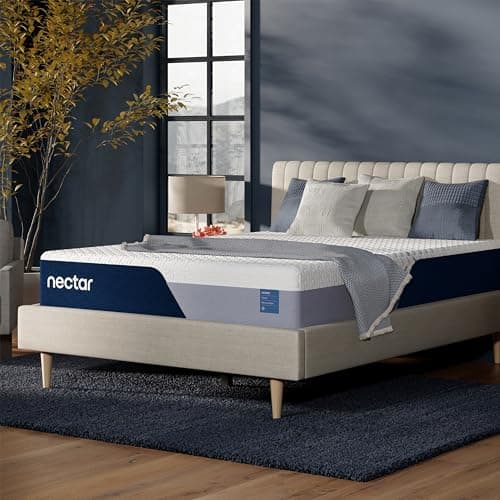 Nectar Classic 12" Queen It wins on the only things either brand has actually committed to in writing — the trial and the warranty. Best for: Most people | Most people | $699.00 · View on Amazon Price as of October 18, 2026. #ad — we earn a commission. |
| 2 | 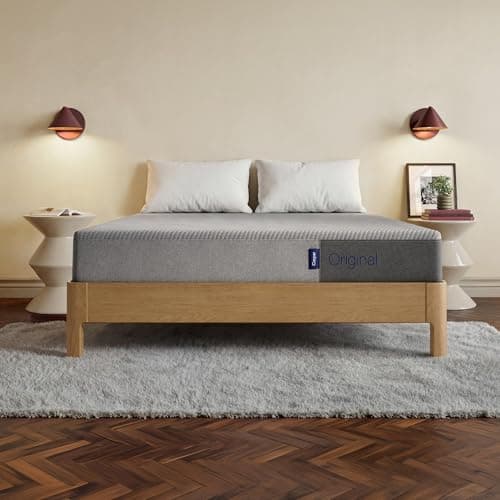 Casper Sleep Original Foam Queen Casper's outgoing all-foam bed — zoned support and motion isolation from an established name. It's the more expensive bed here by a wide margin, and the listing is quiet about the terms. Best for: Zoned foam support and the brand behind it | Zoned foam support and the brand behind it | $1,295.00 · View on Amazon Price as of October 18, 2026. #ad — we earn a commission. |
This one is unusual: there's no construction argument
Most mattress head-to-heads come down to foam versus coils, and once you know which side you're on, the rest is detail. Not this one. The Nectar Classic is listed as contouring memory foam. The Casper Original Foam is listed as zoned memory foam. Both are all-foam beds. Both are sold at a medium-firm feel. Neither has a coil core.
So the axis that usually does all the work — memory foam vs hybrid — is simply not in play, and I can't fall back on it. What's left is narrower and, I think, more honest: two brands selling a similar kind of bed at very different prices, each choosing what to promise you in writing. Read the two listing titles next to each other and they are pitching completely different things.
Casper's title leads with zoned support and motion isolation. Nectar's leads with a 365-night trial and forever warranty. That difference in emphasis is half the comparison — the price gap is the other half — and it's worth taking apart properly, because one of those two sets of claims is much softer than it looks.
The motion isolation claim, examined
Casper puts motion isolation in the listing title. Nectar doesn't mention it. The natural conclusion — the one the title is engineered to produce — is that Casper isolates motion better. I don't think that follows, and here's why.
Motion isolation is what foam is. When you compress foam it absorbs the energy and dissipates it as heat instead of handing it sideways to the next part of the mattress. A coil can't do that, because a spring's entire job is to store energy and give it back. This is why all-foam beds isolate movement and hybrids don't: not because of a feature anyone added, but because of what the material does when you push on it.
The Nectar Classic is all-foam. So it does this too. Casper naming the property and Nectar not naming it tells you which brand's copywriter picked which angle — nothing more. Could the Casper be meaningfully better at it? Possibly. Foam density and layer structure genuinely affect how much movement gets through. But neither listing publishes densities, and I haven't slept on either mattress, so anyone who tells you which one wins by how much is inventing the number. I'd rather say plainly that this is unknowable from the listings than dress a guess up as a finding.
What I can tell you is the actionable version: if motion is your problem, the thing to confirm is that a bed is all-foam rather than hybrid. Both of these pass that test.It shouldn't be the tiebreaker between them.
The trial and warranty claim, examined
Now the other side, which holds up considerably better under the same scrutiny.
Nectar's listing publishes a 365-night trial and a forever warranty. Casper's Original Foam listing states neither a trial length nor a warranty term at all. These are not vibes — a published year-long trial and a forever warranty are contractual commitments printed on the product page, and they cost the seller real money. A brand offers a year-long trial when its returns data says most people keep the bed. A lifetime warranty is expensive to offer, which is precisely what makes it a signal.
Be careful about what the missing warranty does and doesn't mean. Casper certainly has a warranty policy; nearly every mattress brand does, and ten years is the industry-standard figure. The point is narrower: one brand put its term in writing where you're buying, and the other left you to go and find it. On a purchase you make sight-unseen, what a seller commits to in the listing is a large part of what you're buying.
And the trial is the single most valuable line on either page. You cannot lie on a mattress before you buy it online. The trial is the only thing standing between you and an expensive mistake — it is the showroom, relocated. A published year and a listing that states no trial at all are not the same promise.
What the listings actually say, side by side
Quoted from the sellers' own Amazon listing titles. Where a title doesn't state something, that's what the row says — I'm not going to fill in a blank on your behalf.
| Attribute | Nectar Classic 12" | Casper Original Foam |
|---|---|---|
| Construction | All-foam — contouring memory foam | All-foam — zoned memory foam |
| Height | 12" | Not stated in the listing title |
| Firmness (as listed) | Medium firm | Medium firm |
| Support | Uniform contouring foam | Zoned support (as listed) |
| Cooling approach | Cooling top layer | Not stated in the listing title |
| Motion isolation | Inherent to foam; not named in the title | Named in the title |
| Trial | 365 nights | Not stated in the listing title |
| Warranty | Forever warranty | Not stated in the listing title |
Read down the two columns and the shape of it is obvious. Nectar states the things that are expensive to state — the height, the trial, the warranty. Casper's listing leaves most of those blank and leads instead with zoned support and motion isolation. One brand is telling you what it will stand behind; the other is telling you how the foam is built.
So what does the bigger name buy you?
Here is where the honest answer changed. The Casper is the more expensive bed by a wide margin — a premium mattress lined up against a value one — and the live prices in the picks above will show you the gap better than a sentence I wrote today can. So the question isn't whether they're priced closer than their reputations suggest; it's whether what the extra money buys is worth it to you.
What it buys is real but specific: Casper's zoned foam construction, and an established company with a genuine returns operation, a support line, and years of trading history behind the warranty. That is worth something. What it does not buy is the thing Nectar puts in writing and Casper's listing doesn't — a year to change your mind and a forever warranty — and for most first-time buyers that protection is worth more than the zoning.
The verdict, by who you actually are
Buy the Nectar if you're not certain — which is most people
If you can't say with confidence what firmness you want, the trial is not a bonus feature, it's the product. A year lets you sleep through a season change before deciding. The forever warranty is the second reason, and both come from the listing rather than from me. This is the default recommendation, and it takes something specific to beat it.
Buy the Casper if the zoned foam and the brand are worth a premium
Here's the specific case for it. Both beds are listed as medium firm, so feel isn't the divider — the divider is what Casper's zoned support and its name are worth to you. Zoned foam, tuned firmer under the hips and softer under the shoulders, is a genuine design rather than a uniform slab, and buying from a company with a real returns operation and years behind it has value when something goes wrong. You pay a clear premium for both, and Casper's listing asks you to accept that without publishing the trial length or warranty Nectar prints in full. If that trade is worth it to you, it's a fair buy. See the firmness guidefor how your weight and sleeping position change what "medium firm" means.
Buy neither if you sleep hot
This is the biggest one, and it disqualifies both. Both of these are all-foam beds, and foam insulates — it surrounds you and fills the air gaps, so whatever cooling either listing does or doesn't name, the surface buys you the early part of the night and then saturates. If waking up warm is your actual complaint, no choice on this page fixes it. You want a coil core, and the argument for it is in DreamCloud vs Nectar.
And if neither of these is quite it, don't let a two-product page define the market — the wider field is on the best mattresses on Amazon, and our memory foam pickscover the all-foam category properly. If you want to know why every product on this site carries a "skip this one if" block, that's here.
The picks, in full
1. Best for Most people
Nectar Classic 12" Queen
It wins on the only things either brand has actually committed to in writing — the trial and the warranty.
Price as of October 18, 2026. #ad — we earn a commission.
Key specs
- 12" all-foam
- Medium firm (as listed)
- Contouring memory foam with a cooling top layer
- 365-night trial
- Forever warranty
What's good
- A 365-night trial is published right on the listing, where the pricier Casper states no trial length at all — long enough to sleep through a full summer, which is the season that actually tests a foam bed
- Nectar publishes a forever warranty on this model. The Casper Original Foam listing title doesn't state a warranty term at all, which is a real difference in what you're being promised
- The listing states a height — 12 inches — where the Casper title doesn't. More height means more room for a support core and a comfort layer to do separate jobs
- Medium firm is the least-wrong default if you genuinely don't know your preference yet
What's not
- All-foam, so it insulates. The cooling top layer helps at the surface early in the night and then reaches equilibrium with you — that's the material, not a defect
- "Medium firm" is a manufacturer's word with no standard behind it, and it reads firmer to a lighter body than a heavier one
- The listing title doesn't state a CertiPUR-US certification — a small gap, though the pricier Casper here doesn't state one either, so it isn't a point of difference between the two
Skip this one if
You specifically want Casper's zoned foam or the reassurance of the bigger brand, and paying a clear premium doesn't bother you. Both beds are medium firm, so this isn't about feel — it's whether the zoning and the name are worth the extra money. If they aren't, the Nectar's value and its year-long trial make it the safer buy.
2. Best for Zoned foam support and the brand behind it
Casper Sleep Original Foam Queen
Casper's outgoing all-foam bed — zoned support and motion isolation from an established name. It's the more expensive bed here by a wide margin, and the listing is quiet about the terms.
Price as of October 18, 2026. #ad — we earn a commission.
Key specs
- All-foam (height not stated in the listing title)
- Medium firm feel (as listed)
- Zoned support (as listed)
- Motion isolation named in the listing
- Trial and warranty terms not stated in the listing title
What's good
- Casper is an established brand with a genuine returns operation and a phone number behind it, which is worth more than it sounds when something goes wrong
- Zoned support — foam tuned firmer under the hips and softer under the shoulders — is a real design idea rather than one uniform slab, and it's the thing Casper's name is built on
- All-foam, so it isolates a partner's movement well by the nature of the material, exactly as the listing says
- Medium firm is a sensible, broadly-agreeable feel that suits back sleepers and most average-weight bodies
What's not
- It is far more expensive than the Nectar — this is a premium bed lined up against a value one, and the price gap is the first thing you'll notice
- The listing title states no trial length and no warranty term, where Nectar publishes a 365-night trial and a forever warranty. On a bed you can't lie on before buying, that's the most expensive difference on this page
- The title doesn't state a height either, so you don't know how much mattress you're getting from the listing alone
- All-foam insulates, and no cooling layer is named here — if you sleep hot, no all-foam bed on this page is the answer
- This is the previous generation. Casper's own lineup no longer includes the Original — it now sells The One in its place — so what this listing sells you is the outgoing model, and sizes will thin out as stock clears
Skip this one if
You're shopping on value, or you don't yet know what firmness you want. The Nectar costs far less and backs itself with a year-long trial and a forever warranty — buy the Casper only if the zoned foam and the brand are worth the premium to you.
Common questions
Is Casper better than Nectar?
Not on anything either brand puts in writing on its Amazon listing. Both are all-foam beds at a medium-firm feel, so the big structural argument that usually separates two mattresses doesn't apply here. What separates them is price and terms: Nectar publishes a 365-night trial and a forever warranty at a value price, while the Casper Original Foam listing is far more expensive and states no trial length or warranty term in its title at all. Casper is the more famous name and its zoned-foam build is real. Fame is not a spec, and neither is a price tag.
Casper's listing advertises motion isolation and Nectar's doesn't. Does that mean Casper isolates motion better?
It means Casper chose to put it in the title. Motion isolation is a property of foam itself — foam absorbs a movement and turns it into heat rather than passing it along to the other side of the bed. The Nectar Classic is also an all-foam mattress, so it also does this. Naming a feature is a marketing decision, not evidence of more of it. If motion is your priority, what you want to confirm is that a bed is all-foam rather than hybrid, and both of these are.
Does either one sleep cool?
Both are all-foam, so both are working against the same problem: foam is an insulator. Nectar's listing names a cooling top layer; Casper's Original Foam listing doesn't emphasize cooling at all. Take that literally - a cooling surface pulls heat away early in the night and then reaches the same temperature you are, and an all-foam bed that names no cooling layer isn't promising even that. Neither can match a coil core, which is mostly open space that air moves through. If sleeping hot is your main complaint, the honest answer is that this is the wrong page and you want a hybrid.
How long a trial does each one come with?
Nectar publishes a 365-night trial in its listing. The Casper Original Foam listing doesn't state a trial length at all in its title - Casper certainly has a return policy, but on the page where you're actually buying, one brand prints the number and the other leaves you to go and find it. Why it matters: give any new mattress three to four weeks before judging it, because foam softens with use and your body adapts. A year lets you sleep through a full change of season before you commit, which is a materially safer position than buying on a trial you can't see.
Do you make money from these links?
Yes. We earn an Amazon commission if you buy through them, and that funds the site. We don't accept free products, we don't sell placement, and no brand sees a page before it publishes. The commission rate is the same on both of these mattresses, so there's no version of this page where recommending one over the other pays us better.
Sources
Where the facts on this page come from. We cite other people's testing because we don't do our own — here's what that means.
Read next
- DreamCloud vs CasperTwo established bed-in-a-box hybrids head to head: DreamCloud pairs a plush medium-firm luxe feel with a full 365-night trial, while Casper zones its support and runs a 100-night trial. Trial length, feel and price are the levers.
- Tuft & Needle vs CasperTwo bed-in-a-box hybrids head to head: Tuft & Needle keeps a neutral, responsive single feel, Casper zones the support firmer under the hips and softer under the shoulders. Which you buy depends on how your body loads the bed.
- DreamCloud vs NectarSame parent company, same trial, same warranty. The decision comes down to hybrid vs all-foam — here's which side you belong on.
- Tuft & Needle vs NectarAdaptive foam versus memory foam: same height, opposite design goals. Neither is better — here's which one is built for you.
- The Best Mattresses on AmazonSix Amazon mattresses worth your money, with live prices and an honest note on who each one is wrong for.
- The Best Memory Foam MattressesWhat memory foam actually is, what it can and can't do, and the six I'd buy — with an honest note on who should skip each one.
- The Best MattressesSix mattresses worth buying, from a budget hybrid to a deep-foam premium bed — with a plain note on who each one is wrong for.