Brooklyn Bedding vs Nectar
This isn't a budget-versus-premium argument — it's a real construction fork. The Brooklyn Bedding Signature is a coil-core hybrid you can order in soft, medium or firm; the Nectar is an all-foam boxed bed with a year-long trial and a plush contouring hug. Coils or foam, firmness choice or a long safety net. Which one is right depends entirely on who you are.
We earn a commission if you buy through our links. It doesn't affect our picks — and we never take free products. How this site is funded.
Quick picks
| # | Product | Best for | Price |
|---|---|---|---|
| 1 | 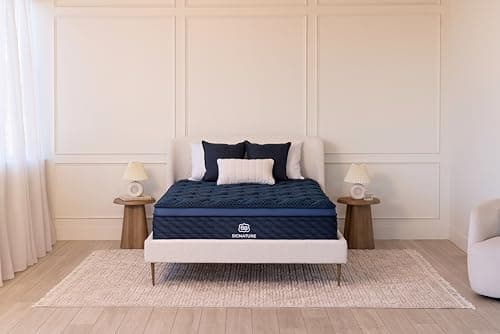 Brooklyn Bedding Signature Hybrid 13" Medium A 13-inch coil-core hybrid that Brooklyn Bedding lists in soft, medium and firm. Buy it when you want the ventilation and edge support of springs, and when you already know — or want to choose — the feel that suits your body. Best for: Coils, airflow and a choice of firmness | Coils, airflow and a choice of firmness | $1,098.75 · View on Amazon Price as of September 12, 2026. #ad — we earn a commission. |
| 2 | 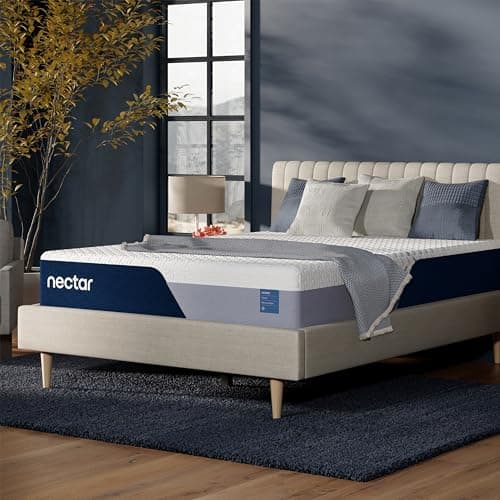 Nectar 12" Memory Foam An all-foam boxed bed built for contouring and motion isolation, with a 1-year trial and a forever warranty stated on the listing. Buy it when you want a foam hug, quiet nights next to a restless partner, and a full season to be sure. Best for: A plush foam hug with a long trial | A plush foam hug with a long trial | $699.00 · View on Amazon Price as of September 12, 2026. #ad — we earn a commission. |
Why this one is a real decision, not a price argument
A lot of mattress comparisons are secretly the same bed twice — two all-foam boxes at different prices, where the whole question is whether the dearer one is worth it. This isn't that. The Brooklyn Bedding Signature and the Nectar are built in fundamentally different ways, and that difference is the entire point of the page.
The Brooklyn Bedding Signature is a hybrid: a 13-inch bed with a steel coil support core under a foam comfort layer, and Brooklyn Bedding lists it in soft, medium and firm. The Nectar is an all-foam boxed bed — 12 inches of memory foam, medium firm, with a 1-year trial and a forever warranty stated on the listing. One has springs and lets you choose the feel; the other has none and wraps you in foam with a long safety net. That is a genuine fork, and the memory foam versus hybrid argument that most comparisons get to skip is the whole story here. Everything below is one criterion at a time, because the honest answer changes depending on which one matters most to you.
Heat: coils ventilate, foam insulates
Start here, because it's the cleanest structural difference and it decides the page for a lot of people. A coil core is mostly air. It leaves open channels running through the middle of the mattress, so body heat has somewhere to go and a little air can move as you shift. That is why the Brooklyn Bedding hybrid is the cooler-sleeping bed of the two, and it's a property of the construction, not a feature anyone had to add.
The Nectar is all-foam, and a solid foam core does the opposite. There are no coils and no channels, so the material insulates — it holds your body heat, reaches equilibrium warm, and stays there. That's not a knock on Nectar specifically; it's true of every all-foam bed, and no surface gel or infusion changes the core physics. If waking up hot is a complaint you already have, this single criterion should probably settle it: you want the coils. Our memory foam explainer is honest about this trade-off rather than pretending foam sleeps neutral.
Motion isolation: foam wins this one outright
Now the criterion that points the other way — and it's the strongest thing in Nectar's favor. Solid foam absorbs movement. When your partner rolls over or climbs out of bed, the foam soaks up the motion near where it happens instead of passing it across to your side. If a restless sleeper next to you is the reason you're shopping, the Nectar is built for exactly that problem.
Coils do the reverse. A spring pushed down on one side transmits some of that movement through the bed, so the Brooklyn Bedding hybrid — for all its ventilation and support — carries a partner's shifting more than the Nectar does. This is the honest cost of the coil core, and it's why the same construction that wins the heat argument loses the motion one. If you sleep alone, this criterion is irrelevant and you can ignore it; if you share the bed with a light sleeper, it may matter more than everything else on the page.
Edge support and responsiveness
Two smaller wins for the hybrid, both falling out of the coils. Edge support — how solid the perimeter feels when you sit on the side to tie your shoes, or sleep right up against it — is generally firmer on a coil bed, because the springs hold their shape near the edge where foam tends to collapse. If you use the whole surface of the mattress, or you sit on the edge a lot, the Brooklyn Bedding will feel more usable side to side.
Responsiveness is the other. A coil pushes back and recovers quickly, so a hybrid feels springier and is easier to move around on, where deep memory foam has that slower "sinking in" quality that some people love and others feel stuck in. Neither is right or wrong — it's a preference — but if you dislike the feeling of a bed hugging you in place, the hybrid is the more buoyant surface and the Nectar is the deeper hug.
Firmness choice versus a year to be sure
Here the two beds hand you two different kinds of insurance against buying the wrong feel. Brooklyn Bedding sells the Signature in soft, medium and firm — the same bed in three builds — so if you already know what your body wants, you can order it directly. Firmness isn't a fixed property of a mattress; it's a relationship between the bed and your weight and sleeping position, which is exactly why being able to choose is worth something. Our best hybrid roundup leans on that same logic.
The Nectar answers the same worry from the other direction. It comes one way — medium firm — but the listing states a full 1-year trial, so if the feel turns out wrong for you, you have a whole change of seasons to find out and still send it back. That's the key distinction: Brooklyn Bedding lets you choose up front but states no trial length on the listing, so you're picking soft, medium or firm without lying on any of them; Nectar makes the choice for you but gives you a long, stated window to undo it. If you know your feel, the hybrid's choice is the better tool. If you don't, Nectar's trial is the safer one. The same forever-warranty-plus-trial combination is why the Nectar also holds up well in our back-pain support page.
What the listings actually say, side by side
Quoted from the sellers' own Amazon listings. Where a listing doesn't state something, that's what the row says — we don't fill blanks on your behalf, and we didn't test either bed.
| Attribute | Brooklyn Bedding Signature 13" | Nectar 12" Memory Foam |
|---|---|---|
| Construction | Hybrid — coil core, 13" | All-foam, 12" |
| Firmness options | Soft, medium and firm | Medium firm only |
| Airflow / heat | Coils ventilate — sleeps cooler | Foam insulates — sleeps warmer |
| Motion isolation | Coils carry movement | Foam absorbs movement |
| Edge support | Firmer perimeter (coils) | Softer at the edge |
| Feel | Buoyant, responsive | Deep contouring hug |
| Trial length | Not stated in listing | 1-year trial (stated) |
| Warranty | Not stated in listing | Forever (stated) |
| Foam certification | CertiPUR-US | Foam (as listed) |
The verdict, by who you actually are
Buy the Brooklyn Bedding if you want coils, airflow or a choice of firmness
This is the pick when the construction itself is what you're after. If you sleep hot, the coil core is the only real fix on this page — springs move air in a way no foam bed can. If you like a responsive, buoyant surface rather than a deep hug, the hybrid gives it. And if you already know your feel — or you specifically want to choose it — Brooklyn Bedding's soft, medium and firm builds let you order the right one rather than accept an average. The trade-offs are honest: it usually costs more, its listing doesn't state a trial or warranty length, and coils carry a partner's movement. But for a solo sleeper who wants ventilation, edge support and firmness control, this is the bed.
Buy the Nectar if you want a foam hug, quiet nights or a long trial
Here's the case for foam, and it's a strong one for the right person. If you share the bed with a restless partner, the Nectar's motion isolation is the standout feature of this whole comparison — nothing with coils competes. If you love the feeling of a mattress cradling your pressure points, that deep contouring hug is exactly what an all-foam bed does best. And if you're not sure what firmness suits you, Nectar's stated 1-year trial and forever warranty let you commit with a real season to change your mind, which a firmness gamble on the hybrid doesn't offer. The honest catch is heat: foam insulates, so this is the warmer bed, and no feature on the listing changes that.
Still stuck? Sort by your one non-negotiable
When two beds are this different, the fastest way through is to name the single thing you refuse to compromise on. Sleep hot? Coils — Brooklyn Bedding. Restless partner waking you? Foam — Nectar. Know exactly how firm you like it? Brooklyn Bedding's three feels. Have no idea and want a long safety net? Nectar's year-long trial. If you want to widen the field beyond these two, the best hybrid roundup and the memory foam page cover each side in depth, and memory foam versus hybrid lays out the underlying trade-off one more time. Whichever you choose, buy it for the reason that matches your body — not because a page told you one number was higher than another.
The picks, in full
1. Best for Coils, airflow and a choice of firmness
Brooklyn Bedding Signature Hybrid 13" Medium
A 13-inch coil-core hybrid that Brooklyn Bedding lists in soft, medium and firm. Buy it when you want the ventilation and edge support of springs, and when you already know — or want to choose — the feel that suits your body.
Price as of September 12, 2026. #ad — we earn a commission.
Key specs
- 13" hybrid
- Medium feel (as listed)
- CertiPUR-US certified foam
- Also listed in soft and firm feels
What's good
- It's a genuine hybrid: a coil support core resists your hips mechanically rather than by material stiffness, so it can hold your midsection up while a foam comfort layer still yields at the shoulder — the two jobs done by two components
- A coil core leaves open channels for air to move, so a hybrid ventilates in a way a solid foam slab structurally cannot; if you sleep warm, this is the side of the comparison to be on
- Brooklyn Bedding lists this build in soft, medium and firm and manufactures its own mattresses rather than white-labeling, so the firmness options are real builds you can match to your weight and position, not cover swaps
What's not
- Coils transmit movement across the bed, so if you share with a restless partner this construction carries their shifting to your side — the exact thing foam is better at absorbing
- It's usually the more expensive bed, and it's the priciest way into this comparison by some way
- No trial or warranty length is stated in the listing title, which is exactly the reassurance you'd want when you're choosing a firmness blind — you're picking soft, medium or firm without lying on any of them
Skip this one if
You share the bed with a light sleeper, or you have no idea what firmness you want and would rather lean on a long trial than a spec sheet. Motion travels through coils, and a firmness choice only helps if you can make it — in either case Nectar's foam hug and year-long trial is the safer bet.
2. Best for A plush foam hug with a long trial
Nectar 12" Memory Foam
An all-foam boxed bed built for contouring and motion isolation, with a 1-year trial and a forever warranty stated on the listing. Buy it when you want a foam hug, quiet nights next to a restless partner, and a full season to be sure.
Price as of September 12, 2026. #ad — we earn a commission.
Key specs
- 12" all-foam
- Medium firm (as listed)
- 1-year trial (as listed)
- Forever warranty (as listed)
- Queen
What's good
- Solid foam absorbs movement instead of transmitting it, so a partner shifting at 3am is far less likely to wake you — the single clearest win foam has over any coil bed here
- The listing states a full 1-year trial, so you can live with the bed through a whole change of seasons and still send it back — a materially longer safety net than a firmness gamble on a hybrid with no trial stated
- It's a plusher, balanced medium-firm foam that cradles pressure points, and the stated forever warranty is the kind of term a brand only writes when it expects the foam to hold up over years of nightly use
What's not
- All-foam insulates: a solid core has no coils and no open channels for air, so it holds your body heat and sleeps warmer than the Brooklyn Bedding hybrid — the trial and warranty don't change that physics
- Firmness is a single medium-firm option on this listing, so if you already know you want notably softer or firmer, this exact bed doesn't let you choose it the way Brooklyn Bedding does
- Foam softens over years of use, and a coil core resists sag on a slower curve — for very heavy sleepers especially, the hybrid's support core is the more durable answer
Skip this one if
You sleep hot, or you want the ventilation and edge support of springs and already know your firmness. Foam insulates no matter how it's built, and the whole reason to pick Nectar — the hug and the motion isolation — is wasted if what you actually need is airflow. Take the Brooklyn Bedding hybrid instead.
Common questions
Is Brooklyn Bedding or Nectar better?
Neither is better across the board — they're built differently and aimed at different sleepers, so the right answer depends on you. The Brooklyn Bedding Signature is a 13-inch coil-core hybrid, sold in soft, medium and firm, that ventilates and offers firmer edge support. The Nectar is a 12-inch all-foam bed with a plush contouring feel, a 1-year trial and a forever warranty stated on the listing. Choose the Brooklyn Bedding if you want springs, airflow and a choice of firmness. Choose the Nectar if you want a foam hug, strong motion isolation for a shared bed, and a long trial to be sure. Construction is the real fork here, not price.
Hybrid or memory foam — which should I get?
It comes down to airflow and motion. A hybrid like the Brooklyn Bedding has a coil core, so air moves through it and it sleeps cooler, its edges feel firmer to sit on, and springs resist sag on a slower curve than foam. An all-foam bed like the Nectar contours more closely, isolates motion so a partner's movement doesn't cross the bed, and tends to feel like a deeper hug. If you sleep hot or share with someone restless, those two traits pull in opposite directions: coils ventilate but carry movement, foam isolates movement but insulates. Our memory-foam-versus-hybrid guide walks through the whole trade-off in detail.
Which sleeps cooler, Brooklyn Bedding or Nectar?
The Brooklyn Bedding hybrid, and it's a structural difference rather than a marketing one. Its coil core leaves open channels for air to move through the mattress, so heat has somewhere to go. The Nectar is all-foam, and a solid foam core has no coils and no channels — it insulates, holds your body heat, and reaches equilibrium warm. No gel or surface treatment changes that basic physics; only a coil core does. If sleeping hot is your main concern, the hybrid is the side of this comparison to be on.
Which is better for couples and motion isolation?
The Nectar, clearly, and this is the one place foam beats coils outright. Solid foam absorbs a partner's movement instead of transmitting it, so someone shifting or getting up at night is far less likely to wake you. Coils, by their nature, carry that movement across the bed — so the Brooklyn Bedding hybrid, for all its other strengths, is the weaker pick if a restless partner is your real problem. If broken sleep from a shared bed is the issue you're solving, foam wins; if it's just you, that advantage does nothing and the hybrid's other traits matter more.
Do you make money from these links?
Yes. We earn an Amazon commission if you buy through them, and that funds the site. We don't accept free products, we don't sell placement, and no brand sees a page before it publishes. On this page we'll happily send you to the cheaper foam bed or the pricier hybrid depending only on which suits you — the pick genuinely turns on whether you want coils or a foam hug, not on which link pays us more.
Sources
Where the facts on this page come from. We cite other people's testing because we don't do our own — here's what that means.
Read next
- Sealy vs Brooklyn BeddingTwo coil-core hybrids head to head: the legacy Sealy Posturepedic with a traditional feel and a name you know, against the taller Brooklyn Bedding Signature you can order in soft, medium or firm. Which wins depends on you.
- Casper vs Brooklyn BeddingTwo premium coil-core hybrids that take opposite approaches to feel: Casper ships one dialed-in zoned Medium with a stated 100-night trial, while Brooklyn Bedding lets you order the same class of bed in soft, medium or firm. The pick turns on whether you want the choice made for you or made by you.
- Brooklyn Bedding vs ZinusThe widest budget-versus-premium spread on the site: Brooklyn Bedding's customizable coil-core hybrid, a buy-once main bed, against the Zinus Green Tea, the best-known budget foam box. One is built to keep for years; the other is the smart call for a guest room or a stopgap.
- DreamCloud vs NectarSame parent company, same trial, same warranty. The decision comes down to hybrid vs all-foam — here's which side you belong on.
- Nectar vs CasperCasper's listing sells motion isolation. Nectar's sells a 365-night trial and a forever warranty. Here's which promise is worth more.
- The Best Hybrid MattressesSix hybrid mattresses judged on what makes a coil core worth it over all-foam — airflow, edge support, responsiveness — with honest cons and a skip-this-one note on every pick.
- The Best Mattresses for Lower Back PainSix mattresses judged purely on support and spinal alignment — and why medium-firm, not firm, is where the evidence points.
- The Best Memory Foam MattressesWhat memory foam actually is, what it can and can't do, and the six I'd buy — with an honest note on who should skip each one.
- Memory Foam vs Hybrid MattressesFoam or coils? The six differences that matter, and the one axis that settles it for most buyers.