Casper vs Lucid
This isn't the usual apples-to-apples matchup, and that's the point. The Casper Original Hybrid is a premium bed with a coil core; the Lucid 12" Gel is a budget all-foam mattress that you can order in plush, medium or firm. One costs several times the other, and they're built to do different jobs. The honest question isn't which is better - it's which one is right for your body and your budget.
We earn a commission if you buy through our links. It doesn't affect our picks — and we never take free products. How this site is funded.
Quick picks
| # | Product | Best for | Price |
|---|---|---|---|
| 1 | 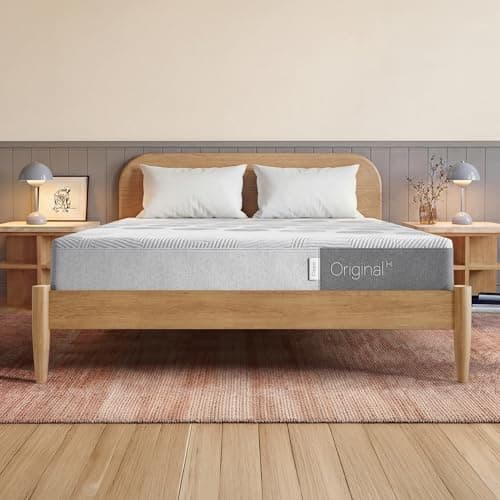 Casper Original Hybrid A coil-core hybrid with zoned support foam - firmer under the hips, softer under the shoulders - plus the airflow and edge support a spring core gives you. Buy it when you want a hybrid and you're willing to pay several times a budget foam bed's price for it. Best for: A hybrid you'll pay up for | A hybrid you'll pay up for | $1,495.00 · View on Amazon Price as of September 12, 2026. #ad — we earn a commission. |
| 2 | 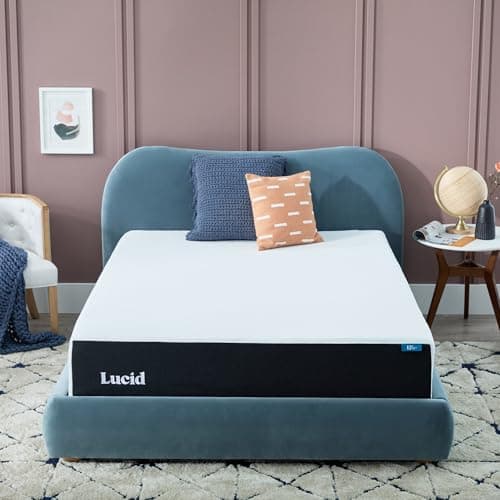 Lucid 12" Gel Memory Foam A budget all-foam bed at a fraction of the Casper's price, and the one on this page you can order in plush, medium or firm - so you buy the feel instead of hoping. It states fiberglass free too. Buy it when the budget is the priority and you don't need a coil core. Best for: Budget buyers who want to choose the feel | Budget buyers who want to choose the feel | $449.99 · View on Amazon Price as of September 12, 2026. #ad — we earn a commission. |
Why these two, and why it isn't a fair fight
Most of our head-to-heads pit two beds from the same tier against each other. This one doesn't, on purpose. The Casper Original Hybrid is a premium bed with a coil core; the Lucid 12" Gel is a budget all-foam mattress. One costs several times the other. Nobody is going to tell you the cheap foam bed is secretly the equal of a hybrid that costs four times as much, and we're not going to either.
But people cross-shop these two constantly, and for a good reason: this is the exact moment a mattress shopper decides whether to spend up or stay cheap. You've seen the well-reviewed hybrid, and you've seen the bargain foam bed that thousands of people bought and rated fine, and you're standing between them trying to work out whether the extra money buys something you'll actually feel. That is a completely reasonable question, and it deserves a straight answer rather than a fake tie. So this page isn't "which bed wins" - it's two honest questions stacked on top of each other: foam or hybrid, and premium or budget. Get both of those right for yourself and the pick follows.
There's one twist that makes this different from pitting the Casper against the cheapest bed on Amazon: the Lucid isn't a take-it-or-leave-it single feel. Lucid sells this same 12-inch bed in plush, medium and firm, so the budget side of this comparison lets you choose your firmness - something the premium Casper, sold in one medium feel, doesn't. Everything below comes from what each brand's own Amazon listing states about how the bed is built, plus the one thing no listing hides: the price tier. We haven't slept on these side by side, we haven't scored them, and we're not going to pretend a construction difference is a test result.
The first divide: hybrid versus all-foam
The structural difference is the one that matters most, because it decides what each bed can and cannot physically do. The Casper is a hybrid: a comfort layer of foam sitting on a core of individually-wrapped coils. The Lucid is all-foam, top to bottom, with no springs anywhere in it. That single fact drives three real, predictable differences.
Heat.Air moves through a coil layer in a way it simply can't through a solid slab of foam. So the Casper hybrid sheds body heat better, and the all-foam Lucid insulates and sleeps warmer - no matter what its cooling gel and bamboo charcoal are called, because those pull a little heat away on first contact and then reach equilibrium with your body, after which you're lying on a solid, insulating foam core. If waking up hot is your complaint, this divide is the whole ballgame.
Edge support.A coil core holds the perimeter of the bed, so you can sit on the edge to get dressed or sleep right up against the side without feeling like you'll roll off. A budget foam bed collapses at the edge sooner. If you share the bed and use every inch of it, that's a difference you feel every night.
Response. Springs push back. The Casper is more responsive and easier to move and turn over on, where an all-foam bed gives more of a slow, settle-in feel. Neither is wrong - some people prefer the foam hug - but they are genuinely different sensations, and the coils are what create the bouncier one. The Casper also zonesits support foam, firmer under the hips and waist and softer under the shoulders, which is aimed at keeping a back sleeper's pelvis from sinking while a side sleeper's shoulder settles in. The Lucid is one even foam feel per firmness, with no zoning.
The second divide: premium versus budget - and who gets to pick the feel
Now the money. The Casper sits several times above the Lucid on price, and that gap is not a rounding error - it's the defining fact of this comparison. We don't print dollar figures because both beds discount and the live prices in the picks above will always be more accurate than a number typed today, but the tier difference is stable: this is a premium bed against a bargain bed.
What the Lucid buys you at the bottom of the market is genuinely good value, and it comes with a wrinkle that works in its favor. It's CertiPUR-US certified, it states fiberglass free, and - crucially - Lucid sells this exact bed in plush, medium and firm. That last point is the single biggest thing the budget side has going for it here. Firmness isn't a fixed property of a mattress; it's a relationship between the bed and your body. The same slab reads firmer to a 130 lb sleeper and softer to a 230 lb one, and your sleeping position shifts it again - a side sleeper generally wants softer, a stomach sleeper firmer. So if experience has told you what feel you sleep best on, the Lucid lets you buy it directly, while the Casper gives you one medium feel and asks you to adapt. For a guest room, a first apartment, a kid's room, or a main bed on a tight budget, the Lucid does the job honestly and in the firmness you choose. What you don't get is longevity - budget foam softens faster than a pricier build - and you don't get any of the three hybrid advantages above, because there are no coils to provide them. Our memory-foam mattress guide covers what all-foam beds do well, and where they don't.
What the Casper's premium buys you is the coil core and everything that comes with it: the airflow, the edge support, the responsiveness, and the zoned support engineered for back sleepers. The 100-night trial and CertiPUR-US certification are stated on the listing, so you can test it at home. The honest caveats are that zoning is a designed feel not everyone likes, the Casper is sold in a single medium feel so you can't pick plush or firm the way you can with the Lucid, and the listing here doesn't state a warranty term in the title, so confirm the current coverage before you buy. If you want to see how it stacks up against other coil-core beds rather than a foam one, our best hybrid mattresses page is the fairer fight for it.
The fiberglass question - and why it's smaller here
This is the one safety point that genuinely matters at the budget end, so we're not going to skip it - but the Lucid handles it better than most cheap beds. The Lucid 12-inch listing states "fiberglass free" right in its title, which is exactly the reassurance you want down here, and it's a real point in the Lucid's favor because plenty of budget foam beds don't say either way. Many inexpensive foam beds use a woven fiberglass fire barrier under the cover to meet the US federal open-flame flammability standard; it's inert as long as it stays sealed, but the fibers shed and spread through a home if the cover is opened. The practical rule is simple and it applies to every budget foam bed, stated fiberglass-free or not: never unzip and remove the cover. The Casper, as a pricier hybrid, is also stated fiberglass-free. We're flagging this honestly rather than using it to scare you off a cheap bed - on the Lucid the listing already answers the question, and the danger with any foam mattress is only in opening the cover.
What the listings actually say, side by side
Quoted from the sellers' own Amazon listings, plus the price tier, which no listing hides. Where a listing doesn't state something, that's what the row says - we don't fill blanks on your behalf, and we haven't tested anything to fill them with.
| Attribute | Casper Original Hybrid | Lucid 12" Gel |
|---|---|---|
| Construction | Hybrid: zoned foam over coils | All-foam, 12" |
| Feel / support style | Zoned: firmer hips, softer shoulders | Even foam feel, no zones |
| Firmness options | Medium only (as listed) | Plush, medium and firm |
| Airflow / heat | Coil core moves air, sleeps cooler | All-foam, insulates and sleeps warm |
| Edge support | Coil-supported perimeter | Softer at the edge (budget foam) |
| Trial | 100-night trial (stated) | Not stated in the listing title |
| Fiberglass | Fiberglass-free (stated) | Fiberglass free (stated) |
| Foam certification | CertiPUR-US | CertiPUR-US |
| Price tier | Premium (several times the Lucid) | Budget |
The verdict, by who you actually are
Buy the Casper if you want a hybrid and you'll pay for it
If you sleep hot, share the bed and use the whole surface, want edge support you can sit on, or simply prefer the responsive feel of a coil core, the Casper is the bed built to give you those things and the Lucid physically can't. Add the zoned support if you're a back sleeper who wakes with a sore lower back, and the case gets stronger. You are paying a real premium, and it's only worth it if you'll use what it buys - but if you will, that's exactly what the extra money is for.
Buy the Lucid if the budget is the priority - or you want to pick the feel
If the money matters more than the airflow, and a foam bed covers what you actually need, the Lucid is the smarter buy and spending up would be wasted. It's CertiPUR-US certified, it states fiberglass free, and - the part the Casper can't match - it's sold in plush, medium and firm, so you buy the feel you already know suits you instead of adapting to one medium. For a guest room, a kid's room, a first apartment, or a main bed on a tight budget, it's the sensible default - just leave the cover sealed. If you want to weigh it against the other budget foam bed people cross-shop, our Zinus vs Lucid comparison picks up there, and Casper vs Zinusruns this same premium-versus-budget question against Lucid's single-firmness rival.
Still deciding? Answer two questions
First: do you need what a coil core does - cooler sleep, edge support, a springy feel? If yes, you want a hybrid, and no price on the Lucid changes that. If no, foam is fine. Second: will you use it enough to justify the premium? A hybrid's advantages are real but they're only worth paying for if they solve a problem you actually have. Answer those two honestly and you've answered this whole page - one is the premium hybrid for people who want a hybrid, the other is the cheaper foam bed for people who want a safe cheap bed in the firmness they choose, and there's no shame in either. If you want to know why every product on this site carries a "skip this one if," that's here.
The picks, in full
1. Best for A hybrid you'll pay up for
Casper Original Hybrid
A coil-core hybrid with zoned support foam - firmer under the hips, softer under the shoulders - plus the airflow and edge support a spring core gives you. Buy it when you want a hybrid and you're willing to pay several times a budget foam bed's price for it.
Price as of September 12, 2026. #ad — we earn a commission.
Key specs
- Hybrid: zoned support foam over coils
- Medium feel (as listed)
- Firmer under the hips, softer under shoulders (as listed)
- 100-night trial (as listed)
- CertiPUR-US (as listed)
What's good
- The wrapped-coil core is the whole reason to buy it: air moves through a spring layer in a way it can't through a solid foam slab, so a hybrid generally sleeps cooler and gives you real edge support and a responsive, easy-to-move-on surface
- The support foam is zoned - firmer under the hips and waist, softer under the shoulders - which is aimed at keeping a back sleeper's pelvis from sinking while letting a side sleeper's shoulder settle in
- A 100-night trial and CertiPUR-US certification are stated on the listing, so you can test it at home and the foam's chemistry is covered
What's not
- It sits several times above a budget foam bed on price, and that gap is the single biggest fact on this page - you're paying for the coil core, not a marketing story
- Casper sells this bed in one feel - medium - so unlike the Lucid you can't pick plush or firm off the shelf; if medium is wrong for you, it's a return, not a different version
- The listing here doesn't state a warranty term in the title, so if length of coverage matters to you, confirm the current listing before you buy
- This is the previous generation. Casper's own lineup no longer includes the Original Hybrid - the Dream now sits in its place - so what this listing sells you is the outgoing model, and sizes will thin out as stock clears
Skip this one if
Your budget is the whole point, or you already know you want a specific firmness. Nothing about a coil core is worth several times the price if the money matters more to you than the airflow - buy the Lucid, pick the feel you want, and put the difference somewhere it counts.
2. Best for Budget buyers who want to choose the feel
Lucid 12" Gel Memory Foam
A budget all-foam bed at a fraction of the Casper's price, and the one on this page you can order in plush, medium or firm - so you buy the feel instead of hoping. It states fiberglass free too. Buy it when the budget is the priority and you don't need a coil core.
Price as of September 12, 2026. #ad — we earn a commission.
Key specs
- 12" all-foam
- Medium firm (also sold in plush) (as listed)
- Bamboo charcoal & cooling gel memory foam
- Fiberglass free (as listed)
- CertiPUR-US certified (as listed)
What's good
- It costs a fraction of the Casper and Lucid sells this same bed in multiple firmnesses - plush through firm - so you can match your weight and sleeping position instead of taking the one feel you're given, which no bed at this price should be beaten on
- The listing states fiberglass free and CertiPUR-US in the title, so the two questions that matter most on a budget foam bed - fire barrier and foam chemistry - are both answered plainly
- Cooling gel and bamboo charcoal are a genuine surface treatment, and at this price you're getting a real CertiPUR-US-certified foam mattress in a box, not a compromise on materials
What's not
- It's all-foam, so it insulates and sleeps warm; the cooling gel is a first-contact effect, not a coil core, and there's no spring layer for air to move through
- Budget foam softens faster than a pricier build, so plan on a few-year lifespan and softer edge support than a coil-core bed
- Lucid is a well-established Amazon brand but the all-foam build simply can't give you the airflow, edge support or bounce a hybrid does - you're choosing a lower price and firmness choice, not those coil benefits
Skip this one if
You sleep hot, you want edge support you can sit on, or you know you want the bounce and airflow of a coil core. No all-foam bed fixes those, no matter which firmness you pick or how cheap it is - if any of them is your real complaint, the Casper hybrid is the answer, not this.
Common questions
Is Casper or Lucid better?
Neither is better in the abstract, because they're not really competing for the same buyer - and pretending they are is how most comparisons get this wrong. The Casper Original Hybrid is a premium bed with a wrapped-coil core, zoned support foam, real edge support and better airflow, and it costs several times what the Lucid does. The Lucid 12-inch Gel is an all-foam bed that ships for a fraction of the price, is sold in plush, medium and firm so you can pick your feel, and states fiberglass free. If you want a hybrid and you'll pay for it, Casper is the better bed. If your budget is the priority and a foam mattress covers your needs, the Lucid is the smarter buy and lets you choose the firmness. The decision is budget and construction, not a quality score.
Is a Casper worth the extra money over a Lucid?
It's worth it only if you'll actually use what the extra money buys. What you get moving up to the Casper is a coil core, and that core does three concrete things a foam slab can't: it lets air move so the bed sleeps cooler, it holds the edge so you can sit or sleep near the perimeter without rolling off, and it gives a responsive surface that's easier to move on. It also adds zoned support aimed at back sleepers. If you sleep hot, share the bed, use the whole surface, or want that hybrid feel, those are real reasons to spend up. If you sleep cool, sleep alone in the middle of the bed, and just want a comfortable place to lie down in the firmness you prefer, none of that is worth several times the price and the Lucid is the honest pick.
Does the Lucid mattress have fiberglass?
This is the key safety question on any budget foam bed, so it's worth being precise. The Lucid 12-inch Gel listing states 'fiberglass free' right in its title, which is the reassurance you want at this price point - and it's a point in Lucid's favor, because many inexpensive foam beds don't say either way. Even so, the universal rule still applies to every budget foam mattress: never unzip and remove the cover. Many cheap foam beds use a woven fiberglass fire barrier under the cover to meet the US federal open-flame flammability standard; it's inert as long as it stays sealed, but the fibers shed and spread through a home if the cover is opened. The Casper, as a pricier hybrid, is also stated fiberglass-free. Our cheap-mattresses coverage explains this check in full.
Which sleeps cooler, Casper or Lucid?
The Casper, and it isn't close in principle - because this is the one place the foam-versus-hybrid divide really shows up. The Casper has a wrapped-coil core, and air can move through a spring layer in a way it simply cannot through a solid slab of foam, so a hybrid sheds heat better than an all-foam bed of the same class. The Lucid is all-foam, and while its cooling gel and bamboo charcoal pull a little heat away on first contact, they don't change the fact that foam insulates: you warm the surface and it holds that heat. If sleeping hot is your actual problem, that alone can justify moving up to the hybrid, and our cooling and memory-foam-versus-hybrid pages explain why.
Do you make money from these links?
Yes. We earn an Amazon commission if you buy through them, and that funds the site. We don't accept free products, we don't sell placement, and no brand sees a page before it publishes. Worth being clear about here: the Casper is the far pricier bed, so a commission on it is a larger dollar amount than one on the Lucid - and we're still telling budget-focused readers to buy the cheap one. That's the point of the site. The right pick comes down to your budget and whether you want a coil core, not to which link pays us more.
Sources
Where the facts on this page come from. We cite other people's testing because we don't do our own — here's what that means.
Read next
- Lucid vs SealyA budget all-foam Lucid against a premium legacy Sealy hybrid: foam versus coils and budget versus name-brand at the same time. Lucid isolates motion best and comes in plush, medium and firm for less; Sealy ventilates, holds its edges and is a name you can test in a store.
- Zinus vs LucidThe two default budget Amazon foam beds head to head: Zinus wins on price and a track record, Lucid on picking your own firmness. Which one you buy depends on how sure you are.
- Casper vs ZinusA premium hybrid against a budget foam bed: Casper gives you a coil core, airflow and zoned support at several times the price; Zinus is the safe cheap all-foam default. Which is right depends on how much you'll spend and how you sleep.
- Nectar vs LucidTwo all-foam boxed beds, both good value, that split on a real axis: Nectar pays back with a long trial and forever warranty, Lucid undercuts it on price and lets you pick plush, medium or firm. Which wins depends on whether you value the safety net or the savings.
- The Best Hybrid MattressesSix hybrid mattresses judged on what makes a coil core worth it over all-foam — airflow, edge support, responsiveness — with honest cons and a skip-this-one note on every pick.
- The Best Memory Foam MattressesWhat memory foam actually is, what it can and can't do, and the six I'd buy — with an honest note on who should skip each one.
- Memory Foam vs Hybrid MattressesFoam or coils? The six differences that matter, and the one axis that settles it for most buyers.