Tuft & Needle vs Lucid
One of these has a coil core and one doesn't, and that single fact drives everything else. Tuft & Needle is a value hybrid — coils under the foam for airflow, edge support and a springier feel, plus a brand name and a trial behind it. Lucid is a budget all-foam bed that costs less and lets you pick your own firmness. The real question is whether you pay up for the coil core or save and choose your feel.
We earn a commission if you buy through our links. It doesn't affect our picks — and we never take free products. How this site is funded.
Quick picks
| # | Product | Best for | Price |
|---|---|---|---|
| 1 | 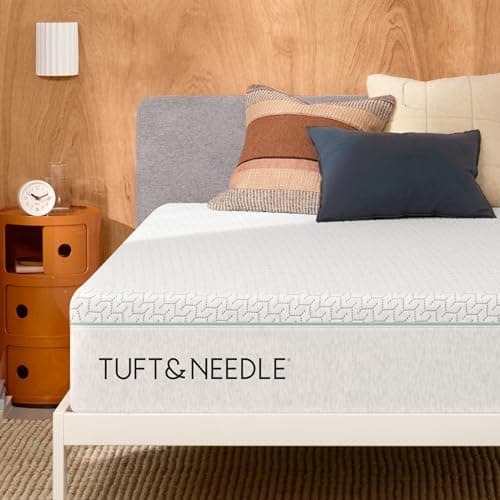 Tuft & Needle Original Hybrid A real coil core under a responsive adaptive foam, at a price that stays close to budget territory. If you want the airflow, edge support and springiness that only coils give — plus a known brand and a trial to fall back on — this is the honest step up from an all-foam slab. Best for: The value hybrid with a coil core | The value hybrid with a coil core | $1,545.00 · View on Amazon Price as of September 12, 2026. #ad — we earn a commission. |
| 2 | 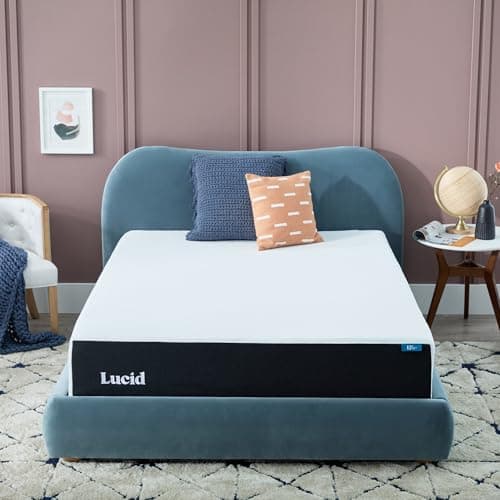 Lucid 12" Gel Memory Foam, Medium Firm A budget all-foam bed that undercuts the hybrid on price and, unusually, lets you pick the feel — plush, medium or firm. Buy it when the money matters most and you'd rather choose your firmness than pay up for a coil core. Best for: The cheaper bed, with your choice of firmness | The cheaper bed, with your choice of firmness | $449.99 · View on Amazon Price as of September 12, 2026. #ad — we earn a commission. |
Why these two, and why it isn't a fair fight on paper
People cross-shop the Tuft & Needle Original Hybrid and the Lucid 12-inch gel foam because they sit right on either side of the same line: the point where a budget mattress buyer decides whether to spend a little more for a coil core or save the money and stay in foam. They turn up in the same searches and land at similar-ish prices, so they feel like interchangeable options. They aren't. One is a hybrid — a comfort layer of foam sitting on individually-wrapped coils — and one is an all-foam slab. That is not a small styling difference. It changes how each bed breathes, how it supports the edges, and how it feels when you move on it.
So this page isn't "which is the better budget foam bed." It's "do you want a coil core or not, and what does it cost you." We haven't slept on these side by side and we're not going to pretend we scored them — everything below comes from what each listing states about how the bed is built, plus the plain physics of coils versus foam that applies to any mattress of each type. On those terms the split is clean. Tuft & Needle is the value hybrid: it adds airflow, edge support and a springier feel, and it puts a brand name and a trial behind the purchase. Lucid is the budget all-foam pick: cheaper, quieter, and — unusually for a foam bed at this price — sold in a choice of firmnesses. The decision is coil-core benefits versus price and choice.
The one real difference: a coil core, or none
Here is the fact that should decide this for most people. The Tuft & Needle lists individually-wrapped coils under its adaptive foam. The Lucid is 12 inches of foam with no coils at all. Everything else on this page is downstream of that one structural difference, so it's worth being precise about what coils actually buy you.
First, air. A coil layer is mostly open space, and open space lets air move through the bed as you shift on it. A solid foam core has nowhere for that air to go, so it holds heat. That's why a hybrid sleeps cooler than an equivalent foam bed as a rule, not as a marketing claim — the coils are a real ventilation channel, where the Lucid's cooling gel is a surface treatment that fades once the foam warms to your body. Second, edges. Perimeter coils hold the sides of the mattress up, so you can sit on the edge to tie your shoes and sleep out to the border without the feeling of rolling off. An all-foam bed compresses at the edge, which quietly shrinks the usable surface — a bigger deal than it sounds on a shared bed. Third, feel. The Tuft & Needle's adaptive foam is responsive: it gives and springs back, so the bed feels neutral and even and doesn't trap you in a slow, sinking hug. Budget memory foam, by design, does the opposite — it cradles and holds.
None of that makes the Lucid a bad bed. It makes it a different bed, aimed at a buyer who wants the lowest price and doesn't need coils. But if you came here asking whether the hybrid is worth the extra money, the coil core is the entire answer to that question, and the three things above are what your money is buying.
Where the foam bed actually wins: price, choice, and motion
A fair comparison has to say where the cheaper bed genuinely comes out ahead, because it does in three places. The first is price — the Lucid is the less expensive of the two, and if the budget is the deciding factor, that's not a small thing. You get a real CertiPUR-US-certified foam mattress in a box for less than the hybrid asks.
The second is choice of firmness. This is the surprising one, because it's usually the premium bed that offers options. Here it's the budget foam. Lucid sells this same 12-inch bed in plush, medium and firm, so if you already know your body wants something soft or something genuinely firm, you can buy it. The Tuft & Needle comes in a single medium feel — a sensible, least-wrong default, but a default all the same. Firmness isn't a fixed property of a mattress; it's a relationship between the bed and your weight and sleeping position, so being able to pick it is a real advantage if you know what you want. If you don't, the hybrid's one medium feel and its trial are the safer path.
The third is motion. Dense memory foam absorbs movement better than a coil core does — when one person turns over, the foam swallows it and the other side stays still. The Tuft & Needle's coils and responsive foam pass a little more of that movement across the bed. For most couples the gap is modest and the hybrid's cooler sleep and edge support win out, but if you share the bed with a very light sleeper, the quiet foam surface of the Lucid is the honest pick. That's the trade in one line: the foam bed is cheaper, more customizable and quieter; the hybrid is cooler, better-supported at the edges, and springier.
Fiberglass, certification, and what each listing states
Both beds clear the safety questions that matter most on an inexpensive mattress, and it's worth saying so plainly. The Lucid listing states fiberglass free outright — the single most important reassurance on any budget foam bed, because many cheap foam mattresses use a woven fiberglass fire barrier under the cover, and while it's inert if left sealed, the fibers shed and spread through a home if the cover is ever unzipped. The Tuft & Needle is likewise listed fiberglass-free, and as a brand-name hybrid it comes with the same CertiPUR-US foam certification that the Lucid carries. So on chemistry and fire-barrier safety, these two are aligned — neither asks you to take a risk the other avoids. Whatever you buy, the safe habit on any bed-in-a-box is to leave the cover zipped.
What the listings actually say, side by side
Quoted from the sellers' own Amazon listings, with the plain physics of each construction noted where it applies to every bed of that type. Where a listing doesn't state something, that's what the row says — we don't fill blanks on your behalf, and we haven't tested anything to fill them with.
| Attribute | Tuft & Needle Original Hybrid | Lucid 12" Gel Foam |
|---|---|---|
| Construction | Adaptive foam over wrapped coils | All-foam, 12" |
| Firmness options | Medium only (as listed) | Plush, medium and firm |
| Airflow / heat | Coil core ventilates | Solid foam insulates |
| Edge support | Perimeter coils hold the edge | Foam edge compresses |
| Motion isolation | Some movement travels | Dense foam absorbs motion |
| Fiberglass | Fiberglass-free (stated) | Fiberglass free (stated) |
| Foam certification | CertiPUR-US | CertiPUR-US |
| Trial & warranty | 100-night trial, 10-yr limited | Not stated on the listing |
| Price | Usually a little more | Usually the cheaper |
Read the table as two columns of trade-offs, not a scoreboard. The Tuft & Needle wins the rows that come from having coils — airflow, edge support, a springier feel, a stated trial and warranty. The Lucid wins the rows that come from being cheaper foam — price, firmness choice, and quiet. Neither sweeps, which is exactly why the verdict below depends on who you are rather than on a single number.
The verdict, by who you actually are
Buy the Tuft & Needle if you sleep warm or want a springier bed
If waking up hot is your real complaint, or you want to use the whole surface out to the edge, or you simply dislike the sinking feel of memory foam, the coil core answers all three and the Lucid can't. You're paying a bit more for airflow, edge support and a responsive feel — plus a brand name, a 100-night trial and a 10-year warranty stated in writing, so there's a way back if the feel misses. This is the pick for the sleeper who wants the honest step up from a budget foam slab without climbing into luxury pricing, and it's the default recommendation on this page. If you want to see it against the other bed-in-a-box hybrids, the wider best-hybrid roundup goes deeper than a two-product page can.
Buy the Lucid if price and choosing your feel matter most
Here's the specific case for saving the money. If the budget is the whole point, or you already know you want a plush or a firm surface rather than the Tuft & Needle's single medium, the Lucid is the smarter buy — it costs less, it states fiberglass free, and it lets you pick the feel the hybrid won't. Go in clear-eyed that it's all-foam, so it sleeps warmer and gives up the edges, and that budget foam is a shorter-lived build. For a guest room, a first apartment or a light-sleeping couple who value quiet over airflow, those trade-offs are easy to accept. Our memory-foam guide covers what to expect from an all-foam bed over its life.
Look wider if you're still torn
If you like the Lucid's price but want to be sure it's the right budget foam bed, our Zinus vs Lucidcomparison pits it against the other default cheap foam mattress on Amazon. And if you're genuinely undecided between foam and a coil core, the memory-foam-versus-hybrid guide is the page that settles it in principle before you spend. If you want to know why every product on this site carries a "skip this one if," that's here.
The picks, in full
1. Best for The value hybrid with a coil core
Tuft & Needle Original Hybrid
A real coil core under a responsive adaptive foam, at a price that stays close to budget territory. If you want the airflow, edge support and springiness that only coils give — plus a known brand and a trial to fall back on — this is the honest step up from an all-foam slab.
Price as of September 12, 2026. #ad — we earn a commission.
Key specs
- Hybrid: adaptive foam over individually-wrapped coils
- Medium feel (as listed)
- 100-night trial (as listed)
- Fiberglass-free, CertiPUR-US (as listed)
- 10-yr limited warranty (as listed)
What's good
- It has a coil core, which is the one thing on this page the Lucid can't match — air moves through the wrapped coils in a way it never can through a solid foam slab, so this ventilates instead of insulating, and the perimeter coils give you real edge support to sit and sleep to the mattress's edge
- The adaptive foam is responsive: it gives and then pushes back, so the bed feels the same everywhere and doesn't leave you fighting a slow, sinking hug when you turn over — a different, springier feel than any budget memory foam
- Everything the listing commits to is stated plainly — a medium feel, fiberglass-free, CertiPUR-US, and a 100-night trial with a 10-year limited warranty — so there's a name behind the bed and a way to send it back if the feel is wrong
What's not
- It's the pricier of the two, and the premium is real — you're paying for the coil core and the brand, not a fancier comfort layer
- It comes in a single medium feel, so unlike the Lucid you can't dial in plush or firm — you take the one feel and lean on the trial if it misses
- A responsive, neutral surface passes a little more movement across the bed than a dead-quiet foam slab, so a very light, easily-woken partner may notice more motion here than on the Lucid
Skip this one if
The budget is the whole point and you already know the firmness you want. Lucid costs less, ships fiberglass free, and lets you choose plush, medium or firm — so if price and picking your feel outrank airflow and edge support, buy that instead.
2. Best for The cheaper bed, with your choice of firmness
Lucid 12" Gel Memory Foam, Medium Firm
A budget all-foam bed that undercuts the hybrid on price and, unusually, lets you pick the feel — plush, medium or firm. Buy it when the money matters most and you'd rather choose your firmness than pay up for a coil core.
Price as of September 12, 2026. #ad — we earn a commission.
Key specs
- 12" all-foam
- Medium firm (also sold in plush) (as listed)
- Bamboo charcoal & cooling gel memory foam
- Fiberglass free (as listed)
- CertiPUR-US certified (as listed)
What's good
- It's the cheaper bed on the page, and it's genuine CertiPUR-US-certified foam that ships in a box — the budget-friendly way onto a new mattress if the price is the deciding factor
- Lucid sells this same bed in multiple firmnesses — plush through firm — so you can match your weight and sleeping position instead of taking the one medium feel the Tuft & Needle gives you
- The listing states fiberglass free outright, and all that dense foam is naturally quiet — motion barely travels across it, which is a genuine edge for a light-sleeping couple
What's not
- It's all-foam, so it insulates: the cooling gel is a first-contact effect, and once the surface warms to your body there's no coil layer to let air move, so it sleeps warmer than the hybrid
- With no coils there's little true edge support — the perimeter compresses when you sit on it, so the usable sleep surface feels smaller than the hybrid's
- Budget foam is a shorter-lived build than a coil core, and there's no brand-name trial here the way the Tuft & Needle lists one — plan on a few-year lifespan rather than a decade
Skip this one if
You sleep hot, you want to use the whole surface out to the edge, or you'd rather have a springy, responsive bed than a foam one. The Tuft & Needle's coil core fixes all three — pay up for it instead of saving here.
Common questions
Is Tuft & Needle or Lucid better?
Neither is better across the board — they're two different kinds of bed at two different prices, and the right answer depends on what you value. Tuft & Needle is a hybrid: a responsive adaptive foam over a core of individually-wrapped coils, which gives it airflow, real edge support and a springier feel, plus a known brand, a 100-night trial and a 10-year warranty stated on the listing. Lucid is a budget all-foam bed that costs less, states fiberglass free, and lets you pick plush, medium or firm. If you want the coil core and don't mind paying a bit more, Tuft & Needle. If price and choosing your own firmness matter most, Lucid. Airflow and edge support versus price and firmness choice — those are the levers.
Should I pay more for a hybrid or save on an all-foam bed?
It comes down to what you'll actually feel. A hybrid like the Tuft & Needle has a coil core, and coils do two things foam can't: they let air move through the bed so it sleeps cooler, and they hold up the edges so you can use the whole surface. An all-foam bed like the Lucid gives up both of those, but it's cheaper and, in Lucid's case, it lets you choose your firmness. So pay up for the hybrid if you sleep warm, share the bed and use the edges, or just prefer a springier feel. Save on the foam if the budget is the point and a medium-firm foam bed suits you. Our memory-foam-versus-hybrid guide walks through the trade in full.
Which sleeps cooler, Tuft & Needle or Lucid?
The Tuft & Needle, and it isn't especially close, because of the coil core. Air can move through the wrapped-coil layer of a hybrid the way it simply can't through a solid foam slab, so the hybrid ventilates while the foam bed insulates. The Lucid uses cooling gel and bamboo charcoal, but those are surface treatments — they pull a little heat away on first contact and then reach equilibrium with your body, after which you're lying on dense, insulating foam. If sleeping hot is your real concern, the coil core is the actual cooling feature and the hybrid is the pick.
Which is better for couples and motion transfer?
This is the one measure where the all-foam Lucid genuinely wins. Dense memory foam absorbs movement, so when one person shifts or gets up, the other side barely registers it — that's the classic strength of a foam bed. The Tuft & Needle's coils and responsive adaptive foam pass a little more motion across the mattress, which is the trade-off that comes with the springier feel and the coil support. So if you or your partner wake at the smallest movement, the foam bed has the edge on quiet. For most couples the difference is modest, and the hybrid's cooler sleep and edge support usually outweigh it — but if motion is your specific complaint, be honest that the foam bed handles it better.
Do you make money from these links?
Yes. We earn an Amazon commission if you buy through them, and that funds the site. We don't accept free products, we don't sell placement, and no brand sees a page before it publishes. There's no version of this comparison where steering you to one bed over the other pays us in a way that changes the advice — the pick genuinely comes down to whether you want the Tuft & Needle's coil core or the Lucid's lower price and choice of firmness. Availability and price on both move around, so the live listing is the source of truth for what's in stock and what it costs today.
Sources
Where the facts on this page come from. We cite other people's testing because we don't do our own — here's what that means.
Read next
- Tuft & Needle vs ZinusA premium hybrid against a budget hybrid: Tuft & Needle brings a more considered comfort layer and a stated 100-night trial; Zinus brings a real coil core for a fraction of the price. Which one you buy depends on whether it's your main bed.
- Zinus vs LucidThe two default budget Amazon foam beds head to head: Zinus wins on price and a track record, Lucid on picking your own firmness. Which one you buy depends on how sure you are.
- Nectar vs LucidTwo all-foam boxed beds, both good value, that split on a real axis: Nectar pays back with a long trial and forever warranty, Lucid undercuts it on price and lets you pick plush, medium or firm. Which wins depends on whether you value the safety net or the savings.
- The Best Hybrid MattressesSix hybrid mattresses judged on what makes a coil core worth it over all-foam — airflow, edge support, responsiveness — with honest cons and a skip-this-one note on every pick.
- The Best Memory Foam MattressesWhat memory foam actually is, what it can and can't do, and the six I'd buy — with an honest note on who should skip each one.
- Memory Foam vs Hybrid MattressesFoam or coils? The six differences that matter, and the one axis that settles it for most buyers.