DreamCloud vs Lucid
One of these is a tall boxed hybrid with a coil core, a 365-night trial and a forever warranty. The other is a budget all-foam bed you can order in plush, medium or firm for a fraction of the price. Different tiers, different builds — and that mismatch is exactly why this helps if you're torn between spending up for a plush hybrid and saving big to choose your own firmness in foam.
We earn a commission if you buy through our links. It doesn't affect our picks — and we never take free products. How this site is funded.
Quick picks
| # | Product | Best for | Price |
|---|---|---|---|
| 1 | 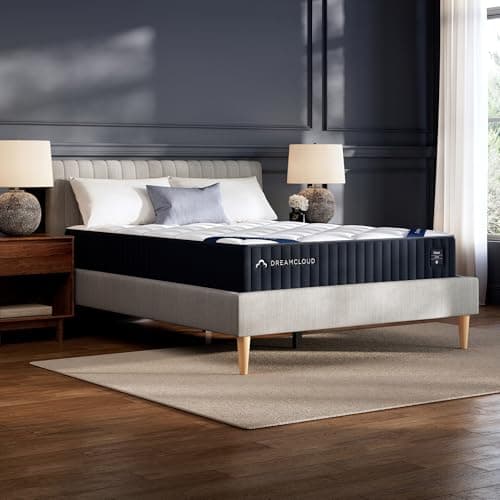 DreamCloud Classic 12" Hybrid Queen The spend-up pick: a tall coil-core hybrid with a proper year-long trial and a forever warranty. Buy it when you want a plush-leaning bed to keep, and especially if you sleep hot. Best for: Spending up for a plush hybrid | Spending up for a plush hybrid | $699.00 · View on Amazon Price as of September 12, 2026. #ad — we earn a commission. |
| 2 | 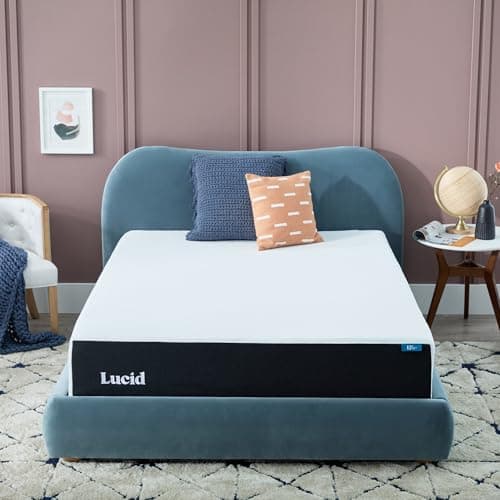 Lucid 12" Gel Memory Foam, Medium Firm The budget pick: a cheap all-foam bed Lucid sells in plush, medium and firm, and it states fiberglass free. Buy it to save big and choose your own feel. Best for: Saving big and picking your firmness | Saving big and picking your firmness | $449.99 · View on Amazon Price as of September 12, 2026. #ad — we earn a commission. |
Why put a plush hybrid against a budget foam bed
On paper this is barely a fair fight, and that's the point. The DreamCloud Classic is a tall boxed hybrid with a coil core, a 365-night trial and a forever warranty — the kind of plush-leaning bed you buy once and keep. The Lucid 12-inch is a budget all-foam mattress you can order in plush, medium or firm, and it costs a fraction as much. Different price tiers, different construction, different intentions. So why compare them at all?
Because a very real shopper is stuck exactly between them. You've got a number in your head, and two voices arguing over it. One says spend up once and get a proper plush hybrid with a real trial so you never have to think about it again. The other says save the difference, order the firmness you actually want, and get a certified foam bed for a fraction of the cost. Both voices are right, for different people. This page is for working out which one is right for you — and it's honest from the start that you aren't choosing between two versions of the same thing. You're choosing between two completely different bets.
Name the mismatch out loud — it's the useful part
Most comparisons pretend two beds are peers and then hand the expensive one a win on every row. That's not analysis, it's a foregone conclusion dressed up. The truth here is more useful: these beds are mismatched on two axes at once, and both matter.
The first axis is price tier. The DreamCloud is a premium mattress; the Lucid is a budget one, usually several times cheaper. The second is construction — the DreamCloud is a hybridwith a coil support core, and the Lucid is all-foam. Those two axes travel together here, which is what makes the decision feel hard: you can't buy the cheap price and the coil core at the same time in this matchup. You're picking a whole package. Everything below is about what each package actually gets you — and where the budget bed surprises you by keeping up.
Foam or coils: what you're really choosing
Strip away the branding and the biggest difference between these two beds is whether there are springs under you. The DreamCloud is listed as a hybrid with a gel memory foam comfort layer over a coil core. The Lucid is all-foam — contouring memory foam top to bottom. That one structural fact drives almost everything a shopper actually cares about.
Heat: the hybrid wins, and it isn't close in principle
Foam is an insulator. That isn't a knock on Lucid — it's what the material is. Foam works by surrounding you and filling the air gaps, and anything that fills the air gaps around a warm body holds heat against it. A coil core is the opposite: it's mostly empty space, and air moves through empty space. The cooling gel and bamboo charcoal in the Lucid are surface treatments — gel pulls a little heat away on first contact and then reaches equilibrium with your body, after which you're lying on a solid, insulating slab with nowhere for heat to go. No infusion changes that. If you sleep hot, this is the whole ballgame, and the DreamCloud is the only bed here built the right way for it.
Firmness: this is where the Lucid answers back
Here is the row that stops the DreamCloud running away with it. The Lucid is sold in severalfirmnesses — plush, medium and firm are the same bed in different feels — while the DreamCloud listing title never states a firmness at all. So the premium bed asks you to buy a feel the seller won't name, and the budget bed lets you order the exact one you want. That matters because firmness isn't a fixed property of a mattress; it's a relationship between the bed and your body. The same slab reads firmer to a 130 lb sleeper and softer to a 230 lb one, and your sleeping position shifts it again — a side sleeper generally wants softer, a stomach sleeper firmer. If experience has already told you what you like, the Lucid lets you buy it and the DreamCloud makes you trust an unnamed feel and a return window. Neither firmness word is a measurement; we treat these labels as starting points, not promises.
Durability: you get what you pay for, over years not nights
This is where the price gap earns its keep. A budget all-foam bed softens faster than a taller build with a coil support core — that's the honest limit of cheap foam, and it's why the Lucid is best thought of as a few-year mattress rather than a decade-long one. The DreamCloud's coils carry the support load and generally hold their shape longer, which is exactly what its forever warranty is quietly betting on. If you need a bed to last through several years of nightly use, the construction that lasts longer is worth paying for. If you need a bed for a spare room that gets used a dozen nights a year, or a first apartment you'll leave in two, that longevity is money spent on nothing.
Motion: the quiet point in the foam bed's favor
The one place foam quietly wins is motion. A solid foam bed absorbs a partner's movement where a coil bed passes some of it along. It's a real point in the Lucid's favor if you share the bed with someone restless, and it's worth being fair about — the airflow that makes the DreamCloud sleep cooler is the same thing that lets a little more motion travel across it. No wrapped-coil design removes that entirely.
The trial and warranty gap is the real story
If heat is the construction difference and firmness is the Lucid's comeback, the trial is the retail one, and it may matter more than either. The DreamCloud listing carries a 365-night trial and a forever warranty. That means most of a year to actually live with the bed — through a full summer, which is the season that tells you whether you should have bought a hybrid — and the option to send it back if it's wrong. The warranty then outlasts the whole debate.
The Lucid doesn't play that game. You buy it through Amazon's standard return process, not a year-long mattress sleep trial. That's not a scandal — it's what a budget bed is, and the Lucid softens the blow by letting you pick your firmness up front so you're less likely to need a trial in the first place. But it changes the stakes. With the DreamCloud, getting the decision slightly wrong is recoverable; with the Lucid, the low price is your safety net instead — if it doesn't work out, you're out a little money rather than a lot. Both are valid ways to de-risk a mattress purchase. One protects you with a long trial; the other protects you by barely costing anything, and by letting you choose the feel before it ships. Which safety net you want is a genuine part of this choice.
The fiberglass check — and why both beds pass it
Before you buy any inexpensive foam mattress, do this one check. Many budget foam beds use a woven fiberglass fire barrier under the cover to meet the US federal open-flame flammability standard. Sealed inside the mattress it's inert and does nothing. The danger is only if the cover is unzipped and removed — the fibers shed and can spread through a home, and they're miserable to clean up. So the rule on any foam bed is simple: never take the cover off.
Here both beds pass on their own listings. The Lucid states "fiberglass free" right in its title, and the DreamCloud states fiberglass free too — so on this particular safety question the budget bed keeps pace with the premium one, which isn't always the case at the bottom of the market. If you want the fuller comparison of budget foam beds and how firmness choice plays out among them, our Zinus vs Lucid breakdown covers the all-foam field the Lucid competes in directly.
What the listings actually say, side by side
Everything below is quoted from the sellers' own Amazon listings. Where a listing doesn't state something, that's what the row says — a missing spec is information too, and we don't fill blanks on your behalf.
| Attribute | DreamCloud Classic 12" | Lucid 12" Gel |
|---|---|---|
| Tier | Premium / luxury hybrid | Budget all-foam |
| Construction | Hybrid — coil core, gel memory foam | All-foam — memory foam |
| Height | 12" | 12" |
| Firmness (as listed) | Not stated in the listing title | Plush, medium and firm |
| Foam treatment | Gel memory foam | Cooling gel & bamboo charcoal |
| Cooling approach | Airflow through the coil core, plus gel foam | Insulating foam; gel is a surface effect |
| Trial | 365 nights | Standard Amazon return window |
| Warranty | Forever warranty | Not stated in the listing title |
| Fiberglass / certs (as listed) | Fiberglass free, CertiPUR-US | Fiberglass free, CertiPUR-US |
| Price | The premium tier | Usually a fraction of the DreamCloud |
| Best-fit lifespan | Main bed, years of nightly use | Guest room, first apartment, stopgap |
Two rows deserve a second look. The DreamCloud never states a firmness, which is a genuine gap at a premium price — and the Lucid answers it by selling plush through firm. But the fiberglass row is a tie: both beds state fiberglass free, so the budget one doesn't lose the safety point people expect it to. If you decide the coil core is the deciding factor, the best hybrid roundup covers the step up and the beds that sit between these two extremes.
The verdict, by who you actually are
Buy the DreamCloud if you sleep hot, or you're buying to keep
This is the clearest call on the page. If you wake up warm, fight the duvet, or dread summer in your bedroom, buy the hybrid — the coil core is the only real fix here, and no cooling gel on an all-foam bed undoes an insulation problem. The same recommendation holds if this is your main bed for the next several years: you're paying for a construction that lasts, a trial that protects you, and a warranty that outlives the decision. That combination is exactly what the premium price is for, and the plush-leaning feel is the bed you actually want to sink into at the end of a long day.
Buy the Lucid if you know your firmness, or the budget is the point
If experience has told you that you sleep best on something soft, or something genuinely firm, the DreamCloud's unnamed feel is a gamble and the Lucid's range is the answer — order the plush or the firm and skip the guessing. The same pick holds if the budget is the whole story: if you're furnishing a guest room, a first apartment or a kid's room, the Lucid is a certified, fiberglass-free foam bed for a fraction of the outlay, and there's no shame in it. You give up the coil core, the long trial and the long lifespan — but if none of those is the job, you shouldn't pay for them.
Buy neither if you're between them on price but firm on needs
Here's the honest out. If you want a hybrid but the DreamCloud is over budget, don't settle for the Lucid and hope a foam bed sleeps like a coil one — there's a wide middle of the market between these two extremes, and the hybrid roundupcovers beds that split the difference on price and construction. And if a strong firmness preference or a hot-sleeping problem is what's really driving the purchase, pick for that first and let price follow. A two-product page shouldn't define your options — it should tell you which of these two bets is yours, and when the answer is "neither," say so.
The picks, in full
1. Best for Spending up for a plush hybrid
DreamCloud Classic 12" Hybrid Queen
The spend-up pick: a tall coil-core hybrid with a proper year-long trial and a forever warranty. Buy it when you want a plush-leaning bed to keep, and especially if you sleep hot.
Price as of September 12, 2026. #ad — we earn a commission.
Key specs
- 12" hybrid
- Gel memory foam comfort layer
- 365-night trial
- Forever warranty
- Fiberglass free, CertiPUR-US certified (as listed)
What's good
- A coil support core is the one cooling feature that isn't a marketing claim — air moves through the springs instead of being trapped by foam, which is why a hybrid is the honest answer for a hot sleeper
- The listing carries a 365-night trial and a forever warranty — most of a year to decide and a warranty that outlives the debate, which no Amazon return window on a budget foam bed comes close to matching
- The listing states fiberglass free and CertiPUR-US, so the two safety questions people ask about foam beds are answered up front here
- A taller hybrid with a coil core generally holds its support longer than a budget all-foam slab, so more of what you pay goes to years of use rather than months
What's not
- It costs several times what the Lucid does — this is the premium tier, and you're paying for construction, a long trial and a forever warranty, not a small upgrade
- The listing title states the construction and the trial but never states a firmness, so unlike the Lucid you can't order plush, medium or firm — you take a feel the seller hasn't put a word to
- Coils transmit some movement across the bed — the physical price of the airflow — and no wrapped-coil design removes it entirely
Skip this one if
You already know the exact firmness you want, or the budget is the whole constraint. The DreamCloud names no firmness and sits at the premium tier — if picking plush-versus-firm or paying far less is what matters, the Lucid below is built for that.
2. Best for Saving big and picking your firmness
Lucid 12" Gel Memory Foam, Medium Firm
The budget pick: a cheap all-foam bed Lucid sells in plush, medium and firm, and it states fiberglass free. Buy it to save big and choose your own feel.
Price as of September 12, 2026. #ad — we earn a commission.
Key specs
- 12" all-foam
- Medium firm (also sold in plush) (as listed)
- Bamboo charcoal & cooling gel memory foam
- Fiberglass free (as listed)
- CertiPUR-US certified (as listed)
What's good
- It's usually a fraction of the DreamCloud's price — a genuine CertiPUR-US foam bed for a small outlay, which makes it a low-regret buy for a spare room, a first apartment or a tight budget
- Lucid sells this same bed in multiple firmnesses — plush through firm — so you can match your weight and sleeping position instead of taking a feel the seller never names, which the DreamCloud listing won't let you do
- The listing states fiberglass free and CertiPUR-US right in the title, so the two safety questions on a budget foam bed are answered plainly here too
- A solid foam bed absorbs a partner's movement well, so if you share with someone restless it has a quiet edge over a coil bed
What's not
- It's all-foam, so it insulates and sleeps warm — the cooling gel is a first-contact effect, not a coil core, and nothing here moves air the way a hybrid does
- Budget foam softens faster than a taller hybrid build, so plan on a few-year lifespan rather than a decade — it's a cheap bed doing a cheap-bed job
- You're buying through Amazon's standard return window, not a 365-night sleep trial and a forever warranty, so there's far less room to change your mind than the DreamCloud gives you
Skip this one if
You sleep hot, you want a bed to last a decade, or you want a real year-long trial to fall back on. Those are exactly the things a budget all-foam bed can't give you, and the DreamCloud above is built for all three.
Common questions
Is DreamCloud or Lucid better?
Neither is better in the abstract, because they aren't chasing the same buyer — this is a plush luxury hybrid against a budget foam bed. The DreamCloud Classic is a 12-inch hybrid with a coil core, a 365-night trial and a forever warranty, and it costs several times more. The Lucid 12-inch is an all-foam bed you can order in plush, medium or firm, and it's a fraction of the price. If you want a bed to keep for years, sleep cooler on, and be able to return long after the first week, the DreamCloud is built for that. If you want to save big and choose your own firmness in a certified foam bed, the Lucid is the pick. Decide which of those two shoppers you are first.
Is the DreamCloud worth the extra money over the Lucid?
It is if you're buying a main bed you'll sleep on every night for years, and it isn't if you're outfitting a guest room or you already know you want a specific firmness in foam. The extra money buys three real things: a coil support core that moves air instead of trapping heat, a 365-night trial that lets you change your mind long after the first uncomfortable week, and a forever warranty. The Lucid gives you none of those — what it gives you instead is a low price and the ability to pick plush, medium or firm up front. So the question isn't really about the money, it's about the job. Check the live prices in the picks above before you decide, because both discount and the gap moves.
Which sleeps cooler, the DreamCloud or the Lucid?
The DreamCloud, and it isn't close in principle. The DreamCloud is a hybrid, so it has a coil support core — mostly open space that air moves through. The Lucid is all-foam, and foam is an insulator: it surrounds you and fills the air gaps, which holds heat against your body no matter what the cooling gel is called. Gel is a first-contact effect that pulls a little heat away and then reaches equilibrium, after which you're lying on a solid foam core. If sleeping hot is your real complaint, the construction is the part of the listing that predicts it, and the hybrid is the only bed on this page built the right way for it.
Do both the DreamCloud and the Lucid state fiberglass free?
Yes — this is one place the budget bed keeps up. Both listings state fiberglass free, and both state CertiPUR-US certification on their foam. That's worth knowing, because many inexpensive foam mattresses use a woven fiberglass fire barrier under the cover to meet the US federal flammability standard, and it's a real question at this end of the market. The standing rule on any foam bed still applies to both: never unzip and remove the cover, because a fire barrier of any kind is only safe while it's sealed inside. The Lucid puts fiberglass free right in its title; the DreamCloud states it on its listing too.
Do you make money from these links?
Yes. We earn an Amazon commission if you buy through them, and that's what funds the site. We don't take free products, we don't sell placement, and no brand sees a page before it goes live. Worth being straight about one thing: the DreamCloud is the pricier bed, so in theory it could pay us more — but we've told you plainly to buy the Lucid if the budget is the point or you already know the firmness you want. The right pick is the one that matches your situation, not the one with the bigger price tag.
Sources
Where the facts on this page come from. We cite other people's testing because we don't do our own — here's what that means.
Read next
- DreamCloud vs ZinusA luxury boxed hybrid against the budget all-foam default. Different tiers, different builds — here's how to choose between spending up for a trial-backed hybrid and grabbing a safe cheap bed today.
- Nectar vs LucidTwo all-foam boxed beds, both good value, that split on a real axis: Nectar pays back with a long trial and forever warranty, Lucid undercuts it on price and lets you pick plush, medium or firm. Which wins depends on whether you value the safety net or the savings.
- Zinus vs LucidThe two default budget Amazon foam beds head to head: Zinus wins on price and a track record, Lucid on picking your own firmness. Which one you buy depends on how sure you are.
- The Best Hybrid MattressesSix hybrid mattresses judged on what makes a coil core worth it over all-foam — airflow, edge support, responsiveness — with honest cons and a skip-this-one note on every pick.
- The Best Memory Foam MattressesWhat memory foam actually is, what it can and can't do, and the six I'd buy — with an honest note on who should skip each one.
- Memory Foam vs Hybrid MattressesFoam or coils? The six differences that matter, and the one axis that settles it for most buyers.