Sealy vs Nectar
One is a household mattress name with a real coil core, the kind you could still lie on in a showroom; the other is a boxed all-foam bed built around a plush hug and a long, no-questions trial. This isn't budget-versus-budget — it's springs and a store-brand pedigree against a foam cradle and a year to change your mind.
We earn a commission if you buy through our links. It doesn't affect our picks — and we never take free products. How this site is funded.
Quick picks
| # | Product | Best for | Price |
|---|---|---|---|
| 1 | 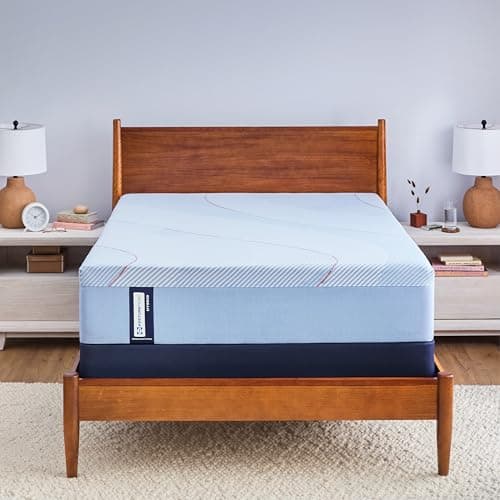 Sealy Posturepedic Fayette 12" Medium Hybrid A real coil core and a name you could find in a showroom, from a maker that predates the internet. Against the boxed Nectar you're trading a deep foam hug for springs, ventilation and firmer edges. Best for: Coils, airflow and a store name | Coils, airflow and a store name | $999.00 · View on Amazon Price as of September 12, 2026. #ad — we earn a commission. |
| 2 | 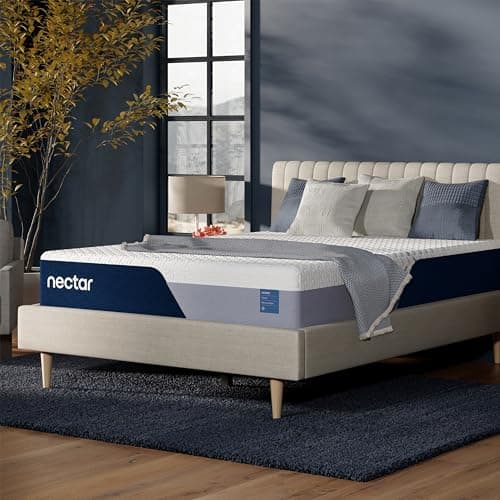 Nectar 12" Memory Foam The boxed all-foam pick, and it competes on terms the Sealy doesn't: a plush, pressure-relieving hug, a stated 1-year trial and a forever warranty. Pay up when you want foam's cradle and a long safety net rather than springs. Best for: A foam hug and a long trial | A foam hug and a long trial | $699.00 · View on Amazon Price as of September 12, 2026. #ad — we earn a commission. |
Two real brands, two different beds
Most of the head-to-heads on this site pit a budget bed against a pricier one and argue about whether the premium is worth it. This one is different, because both of these are beds people genuinely want. On one side is the Sealy Posturepedic Fayette— a hybrid, with a real coil core, from a company most people's grandparents could name and one you can often still lie on in a physical showroom. On the other is the Nectar 12" Memory Foam — a boxed, all-foam bed from a direct-to-consumer brand built around a plush hug and a long, no-questions trial.
So there are two arguments running at once here, and it helps to keep them separate. The first is foam versus hybrid: a solid foam core against a spring core, which changes how the bed supports you, how it handles heat, and how it deals with a moving partner. The second is old-guard retail brand versus digital-native brand: a name you can test in a store and a manufacturer with a century-plus behind it, against a bed you buy online and prove at home over a full year. Every section below is one of those two things. If you want the pure engineering version of the first argument, it lives on our memory foam versus hybrid guide; here it's applied to these two specific beds.
Coils versus foam: the difference that decides most of this
Before anything else, the two beds are built in fundamentally different ways, and that single fact drives nearly every trade-off below. The Sealy is a hybrid: a core of encased steel coils under a foam comfort layer with a tight top. The Nectar is all foam, top to bottom, with no springs anywhere. Here is what that means for these two specifically.
Support and feel.A coil pushes back mechanically. It can resist a heavy hip while a soft layer above it still yields to a shoulder — two jobs done by two different components — which is why a hybrid tends to hold a spine level convincingly without feeling mushy. Foam supports differently: it cradles. The Nectar wraps around your pressure points and distributes weight across a wider contact patch, which many side sleepers and anyone who likes a "hug" strongly prefer. Neither is better in the abstract — the Sealy is a firmer, more "on top of the bed" feel, the Nectar a plusher, more "in the bed" one. This is genuinely a preference, not a ranking.
Heat.This is the one people feel most, and it isn't close. A coil core is mostly open space, so air moves through it and carries body heat away. A solid foam core has nowhere for that air to go, so it insulates — it holds warmth against you. No surface treatment on an all-foam bed changes that basic physics: foam sleeps warm, and the Sealy's coils give it a real ventilation advantage the Nectar can't match. If you wake up hot, that alone can settle this.
Edge support.The Sealy's coils are encased, which firms up the perimeter so you can sit or sleep near the edge without the mattress collapsing under you. All-foam beds like the Nectar soften at the edge sooner, so the usable sleeping surface can feel a little smaller than the bed's dimensions suggest. On a shared bed, that edge is real estate you paid for.
Motion isolation — and this is where the foam wins.The one structural argument the Nectar takes outright is stillness. Solid foam absorbs a restless partner's movement and deadens it locally, while springs transmit some of that motion across the bed. If a partner turning over at 3am is what wakes you, the all-foam Nectar is the better bed, full stop — the same coils that ventilate and firm the edges are also what carry a little of the wobble. So the foam-versus-hybrid scorecard isn't one-sided: the Sealy wins heat, edges and mechanical support, the Nectar wins the hug and motion isolation.
The brand question: showroom name versus online brand
Sealy has been making mattresses since the late 1800s, and the "Posturepedic" line has existed since the 1950s. That heritage does two real things. First, it's a name you can often go and lie on — many mattress shops carry Sealy, so you can feel the bed before you commit, which no boxed brand can offer. Second, there's the reassurance of a manufacturer that has clearly been around and will very likely still be there years from now. Plenty of buyers simply rest easier having bought a name they recognize, and that's a legitimate reason, not a foolish one.
But be clear-eyed about what the name isn't. "Posturepedic" is a trademark, not a specification — it has meant marketing, not a measured property, since the 1950s. And Nectar is no fly-by-night either: it's one of the better-known boxed mattress brands, and rather than lean on showroom familiarity it competes on something you can read before you buy — its trial and its warranty. So this isn't a trusted brand versus an unknown. It's a legacy retail manufacturer with a coil bed you can test in person, against a direct-to-consumer brand that replaces the showroom with a year-long home trial. You're not choosing trust versus no-trust; you're choosing which kind of reassurance you value.
Trial and warranty: Nectar's clearest edge
This is where the two listings genuinely diverge, and it's the strongest thing in Nectar's favor. Nectar states a 1-year trial and a forever warranty right on the listing. The Sealy listing states no trial length and no warranty term in its title at all. When a listing is silent on a term, we don't fill the blank for it — so read the Sealy rows below as "not stated," not as a promise in either direction.
A year-long trial is worth more than it first sounds. A mattress can feel perfect for the first week and wrong by the second month, once the novelty fades and your body settles into it. A trial that spans a full change of seasons lets you find that out while you can still send the bed back — and for a boxed bed you can't test in a shop, that trial isyour showroom. A forever warranty is the kind of term a company only writes when it expects its foam to hold up: it's a bet on durability made by the people who build the bed. The Sealy may well carry perfectly good coverage, but it isn't spelled out where you can see it before you buy, and that's a genuine point for the Nectar on a purchase you can't undo in a store.
What the listings actually say, side by side
Quoted from each seller's own Amazon listing. Where a listing doesn't state something, the row says so — we don't fill blanks on your behalf, and nothing in this table is a spec we measured ourselves.
| Attribute | Sealy Posturepedic Fayette | Nectar 12" Memory Foam |
|---|---|---|
| Construction | Hybrid — coils + foam, 12" | All-foam, 12" |
| Support core | Encased coils | Solid foam |
| Firmness | Medium (as listed) | Medium firm (as listed) |
| Feel | Firmer, "on top" — tight top | Plusher, contouring foam hug |
| Heat | Coils ventilate — cooler of the two | All-foam insulates — warmer |
| Motion isolation | Springs transmit some movement | Solid foam absorbs it — better |
| Edge support | Firmer, encased perimeter | Softens at the edge sooner |
| Sleep trial | Not stated in listing title | 1-year trial (stated) |
| Warranty | Not stated in listing title | Forever (stated) |
| Brand & where you buy | Legacy maker since the 1800s, sold in stores | Direct-to-consumer, boxed online |
| Price positioning | Above budget beds — see live price above | Above budget beds — see live price above |
Value: both are premium, so match the bed to the sleeper
Neither of these is a bargain-bin bed, so this isn't the usual budget-versus-premium call where the whole question is whether to spend up. Both sit above the entry-level foamtier, both move around on price and discount, and the live figures in the picks above will always beat a number written here. So value on this page isn't about which is cheaper — it's about which bed's strengths you will actually use.
If you sleep hot, share the bed, want firmer edges, or specifically want to feel a name in a store before you buy, the Sealy's coil core and showroom presence are things you'll benefit from every night — and our best hybrid roundup shows where it sits among other spring beds. If you sleep on your side, crave a deep contouring hug, are woken by a restless partner, or simply want a long written trial to remove the risk of buying online, the Nectar is built for exactly that. The spend follows the need, not the other way around.
The verdict, by who you actually are
Buy the Sealy if you sleep hot, share the bed, or want coils and a store name
The coil core is the reason. It ventilates where foam insulates, it firms up the edges where foam softens, and it resists your hips mechanically for a more supportive, "on top of the bed" feel. Add a household name you can often test in a showroom and a manufacturer with more than a century behind it, and for a hot sleeper, a couple, or anyone who wants springs and pedigree, the Sealy is the more complete hybrid — as long as you're comfortable that the listing doesn't publish a trial or warranty term, which is the one place it trails the boxed brands. If back support is your driving concern, our back-pain guide makes the fuller case for a coil core.
Buy the Nectar if you want a foam hug and a long risk-free trial
Here's the case for the foam bed, and it's a strong one. If you sleep on your side or simply like the sensation of being cradled, the all-foam Nectar wraps your pressure points in a way the firmer Sealy tight top won't. If you share the bed with a restless partner, its motion isolation is the better bet. And if buying a mattress you can't lie on first makes you nervous, the stated 1-year trial and forever warranty turn your own bedroom into the showroom — a full season to be sure, with the bed's maker betting on its durability in writing. For a contour-loving sleeper who values that safety net, this is the pick.
If heat is your whole problem, lean hybrid
One tiebreaker cuts through everything else. If waking up warm is your real complaint, the all-foam Nectar can't solve it no matter how plush the hug or how long the trial — a solid foam core has no coils to move air, so it holds your heat. Between these two the ventilated Sealy is the answer, and if cooling is genuinely your top priority the wider argument for a coil core lives on our memory foam versus hybrid guide. And if you want to see how this same Sealy stacks up against the budget end of the market rather than a premium foam rival, Sealy versus Zinus is the page for that.
The picks, in full
1. Best for Coils, airflow and a store name
Sealy Posturepedic Fayette 12" Medium Hybrid
A real coil core and a name you could find in a showroom, from a maker that predates the internet. Against the boxed Nectar you're trading a deep foam hug for springs, ventilation and firmer edges.
Price as of September 12, 2026. #ad — we earn a commission.
Key specs
- 12" hybrid
- Medium (as listed)
- Tight top
- Encased coils
What's good
- Encased coils give it what an all-foam bed structurally can't: air moves through the spring core so it ventilates instead of insulating, the perimeter stays firmer so you can use the whole surface, and the core resists your hips mechanically rather than by being uniformly stiff
- Sealy is a mainstream manufacturer with a trading history stretching back to the 1800s and a warranty operation that predates bed-in-a-box brands by decades — and it's a name you may be able to lie on in a physical store before you commit, which the boxed Nectar can't offer
- Medium as listed, with a tight top that puts less soft material between you and the coils, so the support system does more of the work than it would under a thick foam pillow-top
What's not
- It costs more than a budget bed, and some of that premium is simply the name — you pay something for any legacy manufacturer
- "Posturepedic" is a Sealy trademark, not a specification; it has been a brand name since the 1950s and tells you nothing measurable about this particular bed
- No trial length or warranty term is stated in the listing title — a real gap against Nectar, which publishes a 1-year trial and a forever warranty right on its listing, so on a bed you can't test for months at home you're trusting reputation rather than a written promise
Skip this one if
You want a plush, deep-contouring hug and a long, no-questions trial to be sure of the bed at home. That's exactly what the all-foam Nectar is built to give, and its stated 1-year trial and forever warranty are protections the Sealy listing doesn't match — if those matter most, buy the Nectar instead.
2. Best for A foam hug and a long trial
Nectar 12" Memory Foam
The boxed all-foam pick, and it competes on terms the Sealy doesn't: a plush, pressure-relieving hug, a stated 1-year trial and a forever warranty. Pay up when you want foam's cradle and a long safety net rather than springs.
Price as of September 12, 2026. #ad — we earn a commission.
Key specs
- 12" all-foam
- Medium firm (as listed)
- 1-year trial (as listed)
- Forever warranty (as listed)
- Queen
What's good
- The listing states a full 1-year trial, so you can live with the bed through a whole change of seasons and still send it back — a materially longer, plainer safety net than the Sealy, whose listing states no trial term at all
- The warranty is stated as forever, the kind of term a brand only writes when it expects the foam to hold up over years of nightly use — where the Sealy listing publishes no warranty length
- All-foam construction is the reason to want it: solid foam absorbs a restless partner's movement far better than springs, and it wraps and cradles pressure points in a way a coil-and-tight-top hybrid doesn't — if you sleep on your side or want a deep hug, that's the feel you're buying
What's not
- It's all-foam, so it insulates and sleeps warm; there are no coils to move air through the bed, and the trial and warranty don't change the physics of a solid foam core
- Firmness is a single medium-firm option on this listing, so if you already know you want something notably softer or firmer, this exact bed doesn't let you choose it
- It's a boxed, direct-to-consumer bed you can't lie on in a store before buying — you're trusting the trial to be your showroom, where the Sealy is a name you may be able to test in person
Skip this one if
You sleep hot, share the bed and want firmer edges, or simply want a coil core and a name you can test in a showroom. Those are the jobs the Sealy hybrid does better — its springs move air, hold the perimeter and resist your hips mechanically — so for a hot or shared main bed, buy the Sealy instead.
Common questions
Is Sealy or Nectar better?
Neither is better across the board — they're built differently and aimed at different sleepers. The Sealy Posturepedic Fayette here is a hybrid with a coil core from a legacy manufacturer you can often find in stores; the Nectar 12-inch is a boxed, all-foam bed from a direct-to-consumer brand. The Sealy's springs ventilate better, firm up the edges and support your hips mechanically, and the name is one you may be able to test in person. Nectar counters with a plusher foam hug, better motion isolation for couples, and — stated right on the listing — a 1-year trial and a forever warranty the Sealy doesn't publish. Buy the Sealy if you sleep hot, share the bed or want coils and a store name; buy the Nectar if you want a deep foam cradle and a long risk-free trial.
Which sleeps cooler, the Sealy hybrid or the Nectar foam?
The Sealy, and it comes down to construction rather than any marketing feature. A coil core is mostly open space, so air moves through it and carries body heat away. A solid foam core like the Nectar's has nowhere for that air to go, so it insulates and holds warmth against you. Nectar's premium build and any surface cooling treatments don't change that basic physics — all foam sleeps warmer than a ventilated coil bed. Neither is a dedicated cooling mattress, but between these two the Sealy's coil core has the real edge if sleeping hot is your concern.
Does Sealy or Nectar have the better sleep trial and warranty?
Nectar, clearly, on what the listings actually state. The Nectar listing publishes a 1-year trial and a forever warranty — a full change of seasons to decide, and a lifetime durability promise. The Sealy listing states no trial length and no warranty term in its title at all, which is a real gap on a bed you can't try for months at home. That doesn't mean the Sealy has no coverage — legacy manufacturers carry warranties — but it isn't spelled out where you can see it before buying, and we don't fill that blank on your behalf. If a long, written, risk-free trial is what makes you comfortable committing, that point goes to Nectar.
Which is better for a side sleeper or a couple, Sealy or Nectar?
For pure contouring and motion isolation, the all-foam Nectar has the edge — solid foam cradles a shoulder and hip better than a coil-and-tight-top hybrid, and it absorbs a restless partner's movement instead of transmitting it across the bed. So a side sleeper who wants a deep hug, or a light sleeper woken by a partner turning over, leans Nectar. But couples who sleep hot or want to use the full width of the bed lean Sealy, because the coils ventilate and the encased perimeter keeps the edges firm. There's no single winner here — decide whether the deciding factor is the hug and stillness (Nectar) or heat and edge support (Sealy).
Do you make money from these links?
Yes. We earn an Amazon commission if you buy through them, and that funds the site. We don't accept free products, we don't sell placement, and no brand sees a page before it publishes. Both of these are premium beds rather than a cheap-versus-pricey split, so there's no version of this page where steering you to one over the other clearly pays us more — which is why the whole thing comes down to construction and terms, not to what we earn. When the honest answer is that a different bed entirely suits you better, we say so and link it.
Sources
Where the facts on this page come from. We cite other people's testing because we don't do our own — here's what that means.
Read next
- DreamCloud vs SealyTwo coil-core hybrids from opposite worlds: the boxed DreamCloud with a stated 365-night trial and an online returns operation, against the legacy Sealy Posturepedic you can test in a store. Same category, different way to buy and be protected.
- Sealy vs ZinusA legacy Sealy hybrid with a coil core against the default budget Zinus foam bed. Sealy brings springs, airflow and a name you know; Zinus brings the lowest safe price. Which wins depends on you.
- Nectar vs CasperCasper's listing sells motion isolation. Nectar's sells a 365-night trial and a forever warranty. Here's which promise is worth more.
- The Best Hybrid MattressesSix hybrid mattresses judged on what makes a coil core worth it over all-foam — airflow, edge support, responsiveness — with honest cons and a skip-this-one note on every pick.
- The Best Mattresses for Lower Back PainSix mattresses judged purely on support and spinal alignment — and why medium-firm, not firm, is where the evidence points.
- The Best Memory Foam MattressesWhat memory foam actually is, what it can and can't do, and the six I'd buy — with an honest note on who should skip each one.
- Memory Foam vs Hybrid MattressesFoam or coils? The six differences that matter, and the one axis that settles it for most buyers.