Sealy vs Brooklyn Bedding
Both are hybrids with real coil cores, so this isn't springs versus foam — that argument is already settled in both beds' favor. It's a household mattress name with a traditional feel against a direct-to-consumer bed you order in the firmness you actually want. Which of those matters more to you decides it.
We earn a commission if you buy through our links. It doesn't affect our picks — and we never take free products. How this site is funded.
Quick picks
| # | Product | Best for | Price |
|---|---|---|---|
| 1 | 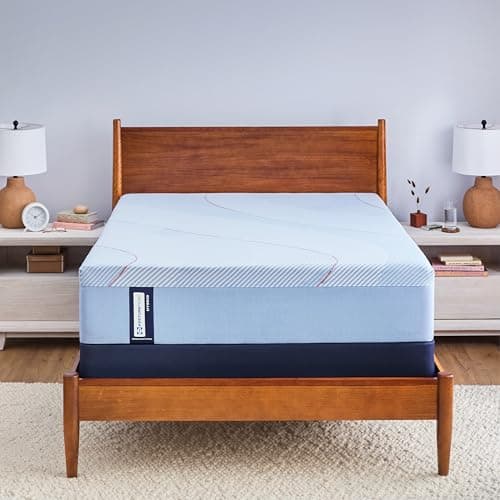 Sealy Posturepedic Fayette 12" Medium Hybrid A real coil core, a medium tight-top feel most people already know, and a name your grandparents could place. You take the one feel it comes in, but the pedigree is doing real work. Best for: A legacy name and a traditional feel | A legacy name and a traditional feel | $999.00 · View on Amazon Price as of September 12, 2026. #ad — we earn a commission. |
| 2 | 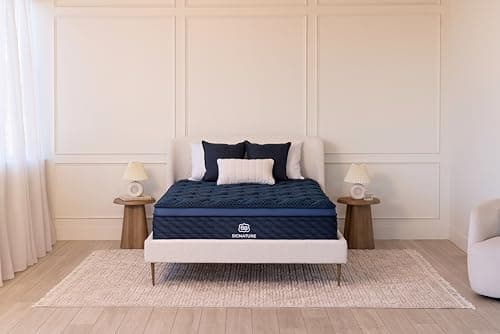 Brooklyn Bedding Signature Hybrid 13" Medium The same taller hybrid in soft, medium and firm, from a company that makes its own beds. When the honest advice is that the right feel depends on your body, being able to pick it is the whole point. Best for: Choosing your own firmness | Choosing your own firmness | $1,098.75 · View on Amazon Price as of September 12, 2026. #ad — we earn a commission. |
Why this one is coils versus coils
Most mattress comparisons on this site turn on one big structural question: springs or foam. This one doesn't, and that's what makes it interesting. Both of these beds are hybrids — both have a real core of encased steel coils under a foam comfort layer. So the argument that usually decides a head-to-head, the one laid out on our memory foam versus hybrid guide, is already settled here in bothbeds' favor. Neither is the compromised all-foam option; both ventilate through the coils, both firm up at the edge, and both hold your hips up mechanically rather than by being uniformly hard.
That strips the decision down to two things that have nothing to do with construction. On one side is the Sealy Posturepedic Fayette— a legacy, household-name mattress with a traditional medium feel, sold exactly one way, from a company most people's grandparents could name. On the other is the Brooklyn Bedding Signature— a taller, direct-to-consumer bed-in-a-box that you can order in soft, medium or firm, from a maker that builds its own mattresses. The whole page is about those two differences: the feel you're allowed to choose, and what a legacy name is worth to you.
What both beds get right: the coil core
Before the differences, it's worth being clear about the common ground, because it's the reason either bed is on this page rather than a cheaper all-foam slab. A hybrid's coil core does four things a solid foam core can't, and both of these beds get all four.
Support. A coil pushes back mechanically. It can resist a heavy hip while a soft layer above it still yields to a shoulder — two jobs handled by two different components. A foam bed can only resist your weight by being stiff, so a foam bed firm enough to stop your hips sinking is hard under your shoulders too. Both of these hybrids sidestep that trade, which is why both hold a spine more convincingly than an all-foam bed at a similar price. If holding your midsection level is your main concern, both belong on our back-pain shortlist for exactly this reason.
Heat.A coil core is mostly open space, so air moves through it and carries body heat away, where a solid foam core insulates and holds warmth against you. Both of these beds ventilate through their springs, so neither has the all-foam heat penalty. Between the two the difference is marginal and comes down to how much foam sits on top — and the Brooklyn Bedding's taller 13-inch build has a little more comfort layer above the coils than the Sealy's tight top.
Edge support.Encased coils firm up the perimeter, so you can sit or sleep near the edge without the mattress collapsing under you. Both of these beds get that; it's the standard payoff of an encased coil unit, and it matters most on a bed two people share, where the edge is real estate you paid for.
Durability.Foam softens with use — every foam bed does, it's the material fatiguing — and a softening core is what a sagging bed is. Springs fatigue too, but on a slower curve, so a coil core is the more durable bet for a bed you sleep on every night. Both of these are hybrids, so both start from the more durable base. The wider field of coil beds, if you want to look past just these two, lives on our best hybrid mattresses page.
The one place all-foam wins — motion isolation — is where neither of these beds is at its strongest, because springs transmit some movement. If a restless partner turning over at 3am is your actual problem, that points away from both of these and toward a foam bed, and it's worth knowing before you spend on either.
The real difference: one feel versus your choice of feel
Here is the single fact that should decide this for most people. Sealy sells the Posturepedic Fayette in one feel — a medium tight top. Brooklyn Bedding sells the Signature in three — soft, medium and firm are all the same underlying build in different feels.
That matters because firmness isn't a fixed property of a mattress; it's a relationship between the bed and your body. The same medium surface reads firmer to a 130 lb sleeper and softer to a 230 lb one, and your sleeping position shifts it again — a side sleeper generally wants softer so the shoulder and hip can sink in, a stomach sleeper firmer so the hips don't. So "medium" isn't one experience; it's a different experience for every body that lies on it. The practical upshot is simple. If you already know what feel suits you, Brooklyn Bedding lets you buy it and Sealy makes you take medium and hope. If you have no idea what you want — which is most first-time buyers — medium is the least-wrong default, and the Sealy gives you that in a familiar, traditional package.
The Sealy's tight top is worth understanding as its own feature here, not just an absence of options. A tight top is the classic mattress feel: no deep pillow-top plushness, just a medium surface sitting close to the springs so the coils do more of the work. Plenty of people picture exactly that when they picture a "normal" mattress, and buying the feel you already know you can live with is a legitimate reason, not a timid one.
The other difference: legacy name versus DTC build
Sealy has been making mattresses since the late 1800s, and the "Posturepedic" line has existed since the 1950s. That heritage does two real things on this listing. First, there's a warranty operation with decades behind it — if you need to make a claim in year seven, you're dealing with a company overwhelmingly likely to still be there. Second, familiarity itself has value: plenty of buyers simply rest easier having bought a name they recognize, and on a purchase this size that reassurance is worth something honest.
But be clear-eyed about what the name isn't. "Posturepedic" is a trademark, not a specification — it has meant marketing, not a measured property, since the 1950s. And Brooklyn Bedding is no unknown: it's a well-regarded direct-to-consumer maker that builds its own mattresses rather than white-labeling someone else's, which is unusual at any price and is the reason its three firmness options are genuinely different builds instead of the same slab relabeled. What you give up with Brooklyn Bedding is multi-generational household recognition; what you get is a taller 13-inch build, CertiPUR-US-certified foam stated on the listing, and the firmness choice. You're paying the Sealy premium partly for construction that Brooklyn Bedding also has, and partly for a pedigree that Brooklyn Bedding doesn't — only you can price the pedigree.
One caveat applies to both beds equally: neither listing states a trial length or a warranty term in its title. On a bed you can't lie on in a shop, the ability to send it back matters, and here neither bed publishes that promise up front — so check the current listing and the brand's own site for the trial and warranty before you commit, whichever way you lean.
What the listings actually say, side by side
Quoted from each seller's own Amazon listing. Where a listing doesn't state something, the row says so — we don't fill blanks on your behalf, and nothing in this table is a spec we measured ourselves.
| Attribute | Sealy Posturepedic Fayette | Brooklyn Bedding Signature |
|---|---|---|
| Construction | Hybrid — coils + foam, 12" | Hybrid — coils + foam, 13" |
| Support core | Encased coils | Coil core (hybrid) |
| Firmness options | Medium only (as listed) | Soft, medium and firm (as listed) |
| Comfort surface | Tight top — traditional feel | Taller 13" build, more comfort layer |
| Foam certification | Not stated in listing title | CertiPUR-US (stated) |
| Heat | Coils ventilate | Coils ventilate |
| Trial / warranty term | Not stated in listing title | Not stated in listing title |
| Brand type | Legacy manufacturer since the 1800s | Direct-to-consumer, makes its own beds |
The verdict, by who you actually are
Buy the Sealy if you want a trusted name and a familiar feel
If a household name and a traditional medium tight-top feel are what put you at ease, the Sealy is the more reassuring buy. You get the same coil support and ventilation as the Brooklyn Bedding, plus a manufacturer that has been making beds since long before the internet sold them and a warranty operation to match. The trade is that you take the one feel it comes in — so this is the pick when medium suits you, or when you're unsure and want the least-wrong default from a name you recognize, and you're comfortable confirming the trial terms on the current listing before you buy.
Buy the Brooklyn Bedding if you know your firmness
Here's the specific reason to spend on the direct-to-consumer bed. If experience has told you that you sleep best on something soft, or something genuinely firm, Sealy's single medium feel is a gamble and Brooklyn Bedding's soft-medium-firm range is the answer — order the feel your body actually wants and skip the return lottery. You also get the taller 13-inch build and CertiPUR-US-certified foam stated on the listing. What you give up is the multi-generational name, which is worth something to some buyers and nothing to others.
If motion isolation is your real problem, look past both
Both of these are hybrids, and hybrids transmit some of a partner's movement — that's the one thing a coil core does worse than solid foam. If a restless partner waking you is your actual complaint, neither bed on this page is the fix, and an all-foam mattress is the construction you want instead. And if you're cross-shopping the Brooklyn Bedding against another bed-in-a-box rather than a legacy name, our Brooklyn Bedding versus Nectar comparison is the more useful page for that decision.
The picks, in full
1. Best for A legacy name and a traditional feel
Sealy Posturepedic Fayette 12" Medium Hybrid
A real coil core, a medium tight-top feel most people already know, and a name your grandparents could place. You take the one feel it comes in, but the pedigree is doing real work.
Price as of September 12, 2026. #ad — we earn a commission.
Key specs
- 12" hybrid
- Medium (as listed)
- Tight top
- Encased coils
What's good
- Encased coils give it a genuine hybrid support core — air moves through the spring layer so it ventilates rather than insulating, the perimeter stays firm so you can use the whole surface, and the core resists your hips mechanically instead of by being uniformly hard
- Sealy is a mainstream manufacturer with a trading history stretching back to the 1800s and a warranty operation that predates bed-in-a-box brands by decades — if you want to be able to find the company in year seven, that's a real consideration
- The tight top is the traditional mattress feel a lot of people picture when they think 'mattress' — no deep pillow-top plushness, just a medium surface over springs, which is the least-wrong default and the feel most sleepers already know they can live with
What's not
- Sealy sells this bed in one feel — medium — so if you already know you want something softer or firmer, you can't order it that way the way you can the Brooklyn Bedding
- "Posturepedic" is a Sealy trademark, not a specification. It has been a brand name since the 1950s and tells you nothing measurable about this particular bed
- No trial length or warranty term is stated in the listing title — a real gap next to a direct-to-consumer brand, on a bed you can't try in a shop before you commit
Skip this one if
You already know your body wants a soft or a firm surface rather than a medium one. Sealy makes this bed one way — if you have a specific feel in mind, the Brooklyn Bedding Signature is the same class of hybrid sold in soft, medium and firm, so buy that and match the feel instead of hoping medium fits.
2. Best for Choosing your own firmness
Brooklyn Bedding Signature Hybrid 13" Medium
The same taller hybrid in soft, medium and firm, from a company that makes its own beds. When the honest advice is that the right feel depends on your body, being able to pick it is the whole point.
Price as of September 12, 2026. #ad — we earn a commission.
Key specs
- 13" hybrid
- Medium feel (as listed)
- CertiPUR-US certified foam
- Also listed in soft and firm feels
What's good
- Brooklyn Bedding lists this build in soft, medium and firm — firmness is relative to your body weight and sleeping position, so the ability to choose the feel rather than accept one manufacturer's average is the single most useful thing on this page
- At 13 inches it's the taller build here, with room for a proper comfort layer above the coils — enough give at the shoulder without giving up the spring core that holds your hips level
- Brooklyn Bedding manufactures its own mattresses rather than white-labeling, which is unusual at any price and means the three firmness options are real, distinct builds rather than the same slab under a different label
What's not
- It's a direct-to-consumer brand without the multi-generational household recognition of Sealy — a well-regarded name among mattress shoppers, but not the one your grandparents would recognize
- No trial or warranty length in the listing title, which is exactly what you'd want backing a firmness choice you're making without lying on the bed first
- Choosing between three feels you can't test in a shop is still a guess — a better-informed one than taking a single fixed feel, but a guess
Skip this one if
You don't actually know what firmness suits you and you'd rather trust a safe default than gamble on soft or firm. Three options only help if you can choose between them — if you can't, you're paying for a decision you're not equipped to make, and the Sealy's plain medium tight-top is the least-wrong feel to fall back on.
Common questions
Is Sealy or Brooklyn Bedding better?
Neither is better across the board — both are hybrids with real coil cores, so they share the same structural strengths, and the pick comes down to you. The Sealy Posturepedic Fayette is a legacy, household-name bed with a traditional medium tight-top feel, sold one way, backed by a manufacturer that has been trading since the 1800s. The Brooklyn Bedding Signature is a taller, direct-to-consumer 13-inch hybrid sold in soft, medium and firm, from a company that makes its own beds. Buy the Sealy if you want a name you already trust and a familiar medium feel; buy the Brooklyn Bedding if you know your body wants a specific firmness and you'd rather choose it than take an average.
Both are hybrids — so what actually separates them?
Because both have encased coil cores, the big argument that usually divides two mattresses — springs versus foam — is off the table here. Both ventilate through the coils, both firm up the edges, and both use a coil core that resists your hips more durably than solid foam would. That leaves two real differences. First, feel: Sealy sells its bed in a single medium tight-top feel, while Brooklyn Bedding lists the Signature in soft, medium and firm. Second, brand and build: Sealy is the legacy household name with a warranty operation that predates the internet, while Brooklyn Bedding is a direct-to-consumer maker with a taller 13-inch build and CertiPUR-US-certified foam stated on the listing. Feel choice versus name and heritage is the whole decision.
Can I pick the firmness on the Sealy like I can on the Brooklyn Bedding?
No, and that's the practical difference for a lot of buyers. The Sealy Posturepedic Fayette here is listed as a medium, and that's the feel you get — a traditional tight-top medium over encased coils. The Brooklyn Bedding Signature is listed in soft, medium and firm, all the same underlying build, so you can match the feel to your weight and sleeping position. Firmness isn't a fixed property of a bed; it's a relationship between the mattress and your body, which our firmness guidance explains. If you already know you sleep best on something soft or genuinely firm, the ability to order that on the Brooklyn Bedding is worth real money. If medium suits you or you're unsure, Sealy's single medium feel is the least-wrong default anyway.
Which is better value, the Sealy or the Brooklyn Bedding?
Value depends on what you're buying the bed for, and the live prices in the picks above will always beat a number written here because both move around. The Sealy premium is mostly paying for the coil core plus a household name and the warranty operation behind it — familiarity and pedigree that some buyers genuinely rest easier having. The Brooklyn Bedding is a direct-to-consumer bed, which typically means you're paying for the mattress and its taller build rather than for decades of brand recognition, and you get the firmness choice on top. If the name and a proven, traditional feel matter to you, the Sealy earns its premium. If you'd rather spend on a taller build and the right feel for your body than on a logo, the Brooklyn Bedding is the better value.
Do you make money from these links?
Yes. We earn an Amazon commission if you buy through them, and that funds the site. We don't accept free products, we don't sell placement, and no brand sees a page before it publishes. The commission is a percentage of the sale, so a pricier bed pays us marginally more than a cheaper one — which is exactly why we spell out, in plain terms, who each mattress is right and wrong for. The pick should come down to whether a trusted name or your choice of firmness matters more to you, not to what we earn.
Sources
Where the facts on this page come from. We cite other people's testing because we don't do our own — here's what that means.
Read next
- Sealy vs CasperTwo coil-core hybrids from very different lineages: the legacy Sealy Posturepedic with a traditional tight-top feel against Casper's zoned support and stated 100-night trial. Same category, different philosophy - which fits depends on you.
- Brooklyn Bedding vs NectarA genuine hybrid-versus-foam decision: Brooklyn Bedding's Signature gives you a coil core and a choice of firmness; Nectar gives you a plush foam hug and a year to change your mind. The pick turns on airflow, motion and how sure you are of your feel.
- The Best Hybrid MattressesSix hybrid mattresses judged on what makes a coil core worth it over all-foam — airflow, edge support, responsiveness — with honest cons and a skip-this-one note on every pick.
- The Best Mattresses for Lower Back PainSix mattresses judged purely on support and spinal alignment — and why medium-firm, not firm, is where the evidence points.
- The Best MattressesSix mattresses worth buying, from a budget hybrid to a deep-foam premium bed — with a plain note on who each one is wrong for.
- Memory Foam vs Hybrid MattressesFoam or coils? The six differences that matter, and the one axis that settles it for most buyers.