Sealy vs Casper
Both of these are hybrids with real coil cores, so the usual foam-versus-hybrid argument never even comes up. What's left is a cleaner question: do you want a household mattress name and a traditional, even feel, or a bed-in-a-box pioneer's zoned engineering and a published home trial? That's the whole decision.
We earn a commission if you buy through our links. It doesn't affect our picks — and we never take free products. How this site is funded.
Quick picks
| # | Product | Best for | Price |
|---|---|---|---|
| 1 | 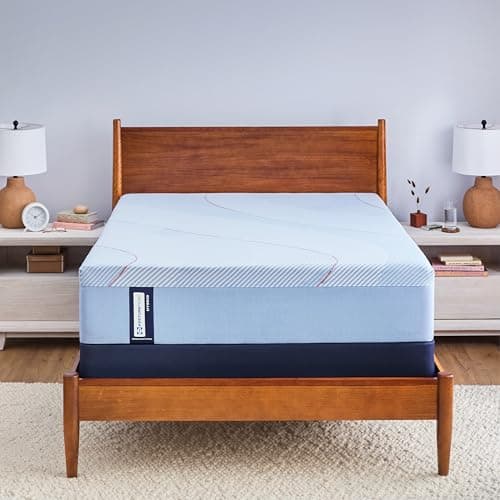 Sealy Posturepedic Fayette 12" Medium Hybrid A coil-core hybrid from a name your grandparents could place, with a conventional even tight-top feel rather than an engineered one. Buy it if brand familiarity and a traditional surface matter more to you than published trial terms. Best for: A household name, traditional feel | A household name, traditional feel | $999.00 · View on Amazon Price as of September 12, 2026. #ad — we earn a commission. |
| 2 | 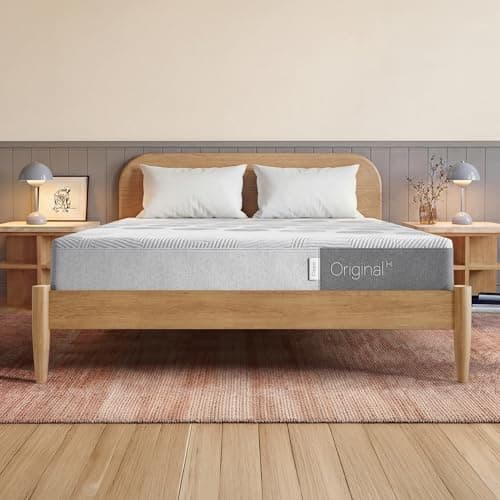 Casper Original Hybrid A coil-core hybrid with zoned support foam — firmer under the hips, softer under the shoulders — plus a stated 100-night trial and CertiPUR-US and fiberglass-free claims on the listing. Buy it if engineered support and printed terms matter more than a legacy name. Best for: Zoned support and a stated trial | Zoned support and a stated trial | $1,495.00 · View on Amazon Price as of September 12, 2026. #ad — we earn a commission. |
Why this one is unusually clean
Most of our head-to-heads have to spend their first section untangling a foam-versus-hybrid argument — one bed has a coil core, the other is a solid slab, and that structural gap drives half the trade-offs. This page doesn't have that problem, and it makes for a much clearer decision. The Sealy Posturepedic Fayette and the Casper Original Hybrid are bothhybrids. Both have real coil cores under a foam comfort layer. So everything a coil core does — moving air so the bed ventilates instead of insulating, firming up the perimeter so you can use the whole surface, resisting your hips mechanically — is on the table for both of them. If you're still deciding between a coil bed and an all-foam one, that's a different question entirely, and our memory foam versus hybrid guide is the page for it. Here, that fight is already settled: you're looking at two springs beds.
So what actually separates them? Two things, and they're both about philosophy rather than parts. The first is lineage: Sealy is a legacy manufacturer whose name has been on bedroom floors for over a century, while Casper is the brand that more or less invented the modern bed-in-a-box. The second is feel engineering: the Casper zones its support, deliberately building the bed firmer under some parts of your body than others, where the Sealy offers a traditional, even surface and lets you take it as it comes. Layered on top is a difference in what each listing is willing to print — trial length, certifications, fiberglass — where one of these beds says a great deal and the other says very little. Everything below is one of those three threads.
What they share — and why it's a real tie
Before the differences, it's worth being honest about how much these two have in common, because it's more than most cross-shopped pairs. Both are hybrids, so both get the structural benefits that a coil core provides and a foam bed can't.
Airflow. A coil core is mostly open space, so air moves through it and carries body heat away rather than trapping it. Both of these beds have that. Neither is a solid foam slab that insulates, so on the heat question that so often decides a mattress comparison, these two are broadly even — the advantage that a hybrid holds over an all-foam bed is one they both share.
Edge support.Coils hold the perimeter, so on both beds you can sit on the edge to get dressed or sleep right up against the side without the mattress caving. Again, that's a hybrid trait, and both qualify.
Firmness on paper.Both list as Medium — the Sealy as "Medium" and the Casper as a "Medium feel," both as listed. Medium is the least-wrong default for the widest range of sleepers, so neither bed is making an unusual firmness bet. That said, firmness is a relationship between the bed and your body more than a fixed number; a heavier sleeper reads any given Medium as softer, a lighter one as firmer, and your position shifts it again.
The point of laying this out is that the coil-core arguments — cooler sleep, better edges, spring support — don't pick a winner here, because both beds can make them. That's what pushes the real decision onto the two things that actually differ.
Difference one: zoned support versus a traditional feel
This is the difference you'd feel with your body. The Casper zonesits support foam: it's engineered firmer under the hips and waist and softer under the shoulders. The idea is to hold a back sleeper's pelvis level while still letting a side sleeper's shoulder sink in — two different jobs asked of two different bands of the same bed. When it suits you, it can feel like the mattress was built around your body.
The Sealy makes no such claim. Its listing describes a tight top over encased coils — a conventional, even surface, the same feel from head to foot. For a lot of people that's exactly right: a traditional mattress with nothing to get used to, no engineered band that might land in the wrong place. Zoning is only an advantage if your hips actually land on the firmer zone and your build matches what the designers assumed; when it doesn't, some sleepers notice the bed changing underneath them and prefer the honesty of an even surface. So this isn't "engineered good, plain bad." It's a genuine fork: buy the Casper if you want support carved into zones and think it'll suit your shape, buy the Sealy if you want a traditional, uniform feel. If lower-back support is the specific thing driving your search, the zoned approach is aimed right at it, and our best for back pain roundup explains why.
Difference two: a legacy name versus a bed-in-a-box pioneer
Sealy has been making mattresses since the late 1800s, and the "Posturepedic" line has existed since the 1950s. That heritage is doing real work for some buyers. There's a warranty operation with decades behind it — if you need to make a claim years down the line, you're dealing with a company overwhelmingly likely to still be there. And familiarity itself has value: plenty of people simply rest easier having bought a name they and their parents recognize, and that's a legitimate reason, not a foolish one.
But be clear-eyed about what the name isn't. "Posturepedic" is a trademark, not a specification — it has meant marketing, not a measured property, since the 1950s. And Casper is hardly an upstart: it's the brand that popularized the whole bed-in-a-box category, and its Original Hybrid is one of the most recognized boxed beds there is. So the choice isn't trusted-name versus unknown. It's a legacy floor-model manufacturer versus the company that built the modern online mattress. Which pedigree reassures you is a genuinely personal call, and only you can price it — but it shouldn't be confused with a difference in the springs, because on construction these two are peers.
Difference three: what each listing is willing to print
Here's a difference that's easy to miss and matters more than it looks. The two listings publish very different amounts of information, and on a bed you can't lie on before buying, what's in print is a lot of what you have to go on.
The Casper listing states a 100-night trial, states CertiPUR-US certification for its foam, and is listed fiberglass-free. Those are three concrete reassurances you can point to: you can test it at home, the foam's chemistry is covered, and the common budget-bed fire-barrier worry is answered up front. The Sealy listing, by contrast, doesn't state a trial length, a warranty term, a foam certification or a fiberglass claim in its title. That doesn't mean the bed lacks those things — it means the listing doesn't commit to them, so you're leaning on Sealy's reputation instead of a printed promise. We won't fill those blanks on your behalf; where a listing is silent, our table below simply says so. But if you're the kind of buyer who wants terms in writing before you commit, that gap is real and it favors the Casper.
What the listings actually say, side by side
Quoted from each seller's own Amazon listing. Where a listing doesn't state something, the row says so — we don't fill blanks on your behalf, and nothing in this table is a spec we measured ourselves.
| Attribute | Sealy Posturepedic Fayette | Casper Original Hybrid |
|---|---|---|
| Construction | Hybrid — coils + foam, 12" | Hybrid — zoned foam over coils |
| Support core | Encased coils | Wrapped coils |
| Feel / support style | Even tight top (no zoning stated) | Zoned: firmer hips, softer shoulders |
| Firmness (as listed) | Medium | Medium |
| Comfort surface | Tight top | Zoned support foam |
| Trial | Not stated in listing title | 100-night trial (stated) |
| Foam certification | Not stated in listing title | CertiPUR-US (stated) |
| Fiberglass | Not stated in listing title | Fiberglass-free (stated) |
| Brand lineage | Legacy maker since the 1800s | Bed-in-a-box pioneer |
| Price | See live price in the picks above | See live price in the picks above |
The verdict, by who you actually are
Buy the Sealy if you want a familiar name and a traditional feel
If a household mattress brand is part of what makes you comfortable spending the money, and you want a conventional, even surface with nothing engineered to get used to, the Sealy is the straightforward pick. It's a real hybrid, so you get the coil-core airflow and edge support either way — you're choosing it for the name and the plain tight-top feel, and those are honest reasons. Just go in knowing the listing doesn't publish a home trial or certifications, so you're trusting the brand rather than printed terms.
Buy the Casper if you want zoned support and printed reassurance
If you're a back sleeper who wakes with a sore lower back, or you just like the idea of support tuned firmer under the hips and softer under the shoulders, the Casper is the bed built for that and the Sealy doesn't claim to be. You also get more in writing — a 100-night trial, CertiPUR-US, fiberglass-free — which is real peace of mind on a bed you can't test in a shop. The catch is that zoning is an engineered feel that has to suit your shape, so it's the pick when you actively want that engineering, not just when you're unsure.
Still deciding? It comes down to feel and trust
Because both are Medium hybrids with coil cores, you can stop worrying about springs and heat — those are a tie. Ask yourself two things instead. Do you want an engineered, zoned surface (Casper) or a traditional even one (Sealy)? And does a legacy name reassure you more, or do printed terms like a stated trial? Answer those honestly and the page answers itself. Both beds also turn up in our best hybrid mattressesroundup, which is the fairer field if you want to see how each stacks up against other coil-core beds rather than just each other. And if the Casper's price has you wondering whether to drop down to a budget bed instead, our Sealy vs Zinus comparison picks up that thread.
The picks, in full
1. Best for A household name, traditional feel
Sealy Posturepedic Fayette 12" Medium Hybrid
A coil-core hybrid from a name your grandparents could place, with a conventional even tight-top feel rather than an engineered one. Buy it if brand familiarity and a traditional surface matter more to you than published trial terms.
Price as of September 12, 2026. #ad — we earn a commission.
Key specs
- 12" hybrid
- Medium (as listed)
- Tight top
- Encased coils
What's good
- It's a genuine hybrid: encased coils under the comfort layer, so like the Casper it ventilates instead of insulating, firms up the perimeter and resists your hips mechanically — the coil-core advantages are on the table for both beds here, not just one
- Sealy is a mainstream manufacturer with a trading history stretching back to the 1800s and a warranty operation that predates bed-in-a-box brands by decades — if you want to be able to find the company in year seven, that's a real consideration
- The tight top puts less soft material between you and the coils, so the support system does more of the work, and Medium as listed is the least-wrong default for most sleepers — a traditional, even feel with nothing engineered to get used to
What's not
- The listing doesn't state a zoned support layer, so if you specifically want firmer support under the hips and softer under the shoulders, that's the Casper's feature, not this one
- "Posturepedic" is a Sealy trademark, not a specification. It has been a brand name since the 1950s and tells you nothing measurable about this particular bed
- No trial length, warranty term, foam certification or fiberglass claim is stated in the listing title — a real gap against the Casper, which publishes several of those, so you're trusting the brand's reputation rather than a printed promise
Skip this one if
You're a back sleeper who wants support engineered zone by zone, or you want the safety net of a stated home trial before you commit. Those are exactly what the Casper publishes and this listing doesn't — if either is your priority, buy that instead.
2. Best for Zoned support and a stated trial
Casper Original Hybrid
A coil-core hybrid with zoned support foam — firmer under the hips, softer under the shoulders — plus a stated 100-night trial and CertiPUR-US and fiberglass-free claims on the listing. Buy it if engineered support and printed terms matter more than a legacy name.
Price as of September 12, 2026. #ad — we earn a commission.
Key specs
- Hybrid: zoned support foam over coils
- Medium feel (as listed)
- Firmer under the hips, softer under shoulders (as listed)
- 100-night trial (as listed)
- CertiPUR-US (as listed)
What's good
- The support foam is zoned — firmer under the hips and waist, softer under the shoulders — which is aimed at keeping a back sleeper's pelvis from sinking while letting a side sleeper's shoulder settle in, an engineered feel the Sealy listing doesn't claim
- Its wrapped-coil core gives it the same class of hybrid benefits as the Sealy — airflow, edge support, a responsive surface — so you're not giving up construction to get the zoning
- A 100-night trial and CertiPUR-US certification are both stated on the listing, and the bed is listed fiberglass-free, so you can test it at home and the foam's chemistry and fire-barrier questions are answered in print rather than left to trust
What's not
- Zoning is an engineered feel: some sleepers love it, some feel the bed changing firmness underneath them and read it as "built" rather than natural, and the benefit assumes your hips land on the firmer band
- It's a bed-in-a-box brand, not a legacy manufacturer — if a name your family has known for generations is part of what reassures you, that's the Sealy's territory, not Casper's
- The listing here doesn't state a warranty term in the title, so if length of coverage matters to you, confirm the current listing before you buy
- This is the previous generation. Casper's own lineup no longer includes the Original Hybrid - the Dream now sits in its place - so what this listing sells you is the outgoing model, and sizes will thin out as stock clears
Skip this one if
You want a plain, traditional even feel from a name you already trust, and you don't need support carved into zones. The Casper's engineering is only worth it if you'll use it — if a conventional tight-top hybrid from a household brand is what you actually want, the Sealy is the honest pick.
Common questions
Is Sealy or Casper better?
Neither is better across the board, because they're the same kind of bed built on different philosophies. Both the Sealy Posturepedic Fayette and the Casper Original Hybrid are hybrids with coil cores, so both ventilate, both firm up the edges and both give you the support of springs — that whole layer of the argument is a tie. The real split is elsewhere: Sealy is a legacy household name with a traditional, even tight-top feel, while Casper is a bed-in-a-box brand whose support foam is zoned — firmer under the hips, softer under the shoulders — and whose listing publishes a 100-night trial. Buy the Sealy for brand familiarity and a conventional feel; buy the Casper for engineered zoned support and the reassurance of printed terms.
What's the difference between the Sealy and Casper hybrids?
The construction class is the same — both are coil-core hybrids listed at a Medium feel — so the differences are about feel design and lineage rather than springs versus foam. The Casper zones its support foam, meaning it's engineered firmer under your hips and waist and softer under your shoulders; the Sealy listing describes a tight top over encased coils with no zoning claimed, which reads as a more traditional, even surface. On brand, Sealy is a manufacturer dating back to the 1800s with the Posturepedic name behind it, while Casper is the bed-in-a-box pioneer. And on printed terms, Casper states more: a 100-night trial, CertiPUR-US and fiberglass-free, where the Sealy listing states none of those in its title.
Does the Sealy or Casper come with a sleep trial?
Only the Casper states one. The Casper Original Hybrid listing publishes a 100-night trial, so you can sleep on it at home and return it within that window if it isn't right. The Sealy Posturepedic Fayette listing doesn't state a trial length or a warranty term in its title, which is a real gap on a bed you can't try in a shop first — you'd be relying on Sealy's reputation and the standard return policy of wherever you buy it rather than a published in-home trial. If the safety net of a stated trial matters to you, that difference favors the Casper plainly.
Which is better for back pain, the Sealy or the Casper?
We don't run a test lab, so we won't hand you a score — but on published construction, the Casper is the one built specifically for the back-sleeper case. Its support foam is zoned to be firmer under the hips and waist, which is aimed at stopping the pelvis from dipping and letting the spine sit more level, exactly the mechanism people mean when they ask about back support. The Sealy is a genuine hybrid too, so its coils resist your hips mechanically rather than by being uniformly hard, but its listing doesn't claim any zoning. If lower-back support is your driving concern, the Casper's zoned design targets it directly; our best-for-back-pain roundup goes deeper on why zoning and coil support matter here.
Do you make money from these links?
Yes. We earn an Amazon commission if you buy through them, and that funds the site. We don't accept free products, we don't sell placement, and no brand sees a page before it publishes. The commission is a percentage of the sale, so whichever of these beds happens to be pricier when you read this would pay us slightly more — which is exactly why we spell out, in plain terms, the cases where each one is the right buy. The pick should come down to whether you want a legacy name and a traditional feel or Casper's zoned engineering and printed trial, not to what we earn.
Sources
Where the facts on this page come from. We cite other people's testing because we don't do our own — here's what that means.
Read next
- Sealy vs Brooklyn BeddingTwo coil-core hybrids head to head: the legacy Sealy Posturepedic with a traditional feel and a name you know, against the taller Brooklyn Bedding Signature you can order in soft, medium or firm. Which wins depends on you.
- Casper vs Brooklyn BeddingTwo premium coil-core hybrids that take opposite approaches to feel: Casper ships one dialed-in zoned Medium with a stated 100-night trial, while Brooklyn Bedding lets you order the same class of bed in soft, medium or firm. The pick turns on whether you want the choice made for you or made by you.
- Sealy vs ZinusA legacy Sealy hybrid with a coil core against the default budget Zinus foam bed. Sealy brings springs, airflow and a name you know; Zinus brings the lowest safe price. Which wins depends on you.
- DreamCloud vs CasperTwo established bed-in-a-box hybrids head to head: DreamCloud pairs a plush medium-firm luxe feel with a full 365-night trial, while Casper zones its support and runs a 100-night trial. Trial length, feel and price are the levers.
- The Best Hybrid MattressesSix hybrid mattresses judged on what makes a coil core worth it over all-foam — airflow, edge support, responsiveness — with honest cons and a skip-this-one note on every pick.
- The Best Mattresses for Lower Back PainSix mattresses judged purely on support and spinal alignment — and why medium-firm, not firm, is where the evidence points.
- The Best Mattresses on AmazonSix Amazon mattresses worth your money, with live prices and an honest note on who each one is wrong for.
- Memory Foam vs Hybrid MattressesFoam or coils? The six differences that matter, and the one axis that settles it for most buyers.