Tuft & Needle vs Brooklyn Bedding
Both of these are hybrids — foam over a coil core — so both breathe and support better than an all-foam slab. The split is what you're allowed to choose: Tuft & Needle is the leaner, neutral bed sold in one feel, while Brooklyn Bedding is a taller, more supportive build you pick the firmness on. The question is whether you want a simple, proven feel at the better price or the ability to choose your own.
We earn a commission if you buy through our links. It doesn't affect our picks — and we never take free products. How this site is funded.
Quick picks
| # | Product | Best for | Price |
|---|---|---|---|
| 1 | 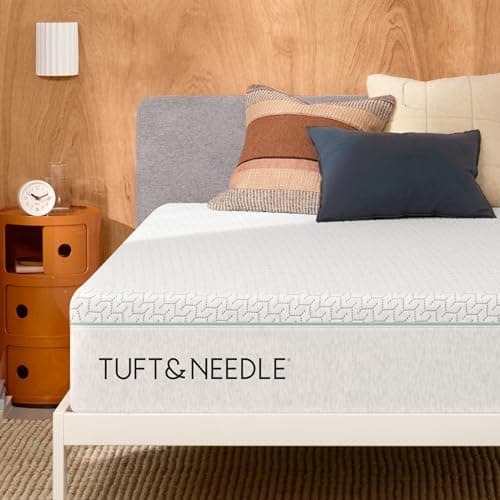 Tuft & Needle Original Hybrid A single, even adaptive-foam feel over wrapped coils, at the leaner tier. If you want a supportive, responsive hybrid without picking a firmness or paying for a taller build — and everything committed to in writing — this is the honest value pick. Best for: The leaner, neutral single-feel hybrid | The leaner, neutral single-feel hybrid | $1,545.00 · View on Amazon Price as of September 12, 2026. #ad — we earn a commission. |
| 2 | 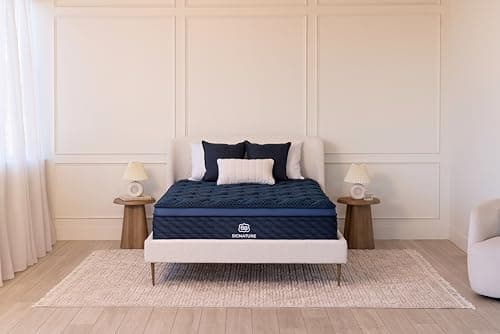 Brooklyn Bedding Signature Hybrid 13" Medium The same coil-core idea, but taller and sold in soft, medium and firm — so you match the feel to your body instead of taking the one you're given. Buy it when you know your firmness or want more build above the coils, rather than the lower price. Best for: Choosing your own firmness | Choosing your own firmness | $1,098.75 · View on Amazon Price as of September 12, 2026. #ad — we earn a commission. |
Why these two, and why it's a fair fight
People cross-shop Tuft & Needle and Brooklyn Bedding because they land in the same shortlist for the same reason: both are well-known direct-to-consumer bed-in-a-box names, and both sell a hybrid— a comfort layer of foam sitting on a core of individually-wrapped coils. That's the important starting point, because it means the argument that usually separates two mattresses is already settled. Neither of these is an all-foam slab. Both have coils under the foam, so both ventilate better and push back harder than a solid foam bed, and both give you the support-plus-cushion combination that makes hybrids the default recommendation for most sleepers.
So this isn't a foam-versus-hybrid fight. It's a fight between two hybrids built to two different philosophies, and that changes what you should be weighing. We haven't slept on these side by side and we're not going to pretend we scored them — everything below comes from what each brand's own listing states about how the bed is built and what it promises. On those terms, the split is clean: Tuft & Needle is the leaner value bed sold in one neutral feel, and Brooklyn Bedding is the taller, more supportive build you choose the firmness on. The decision is a simple, proven single feel and a lower price versus the freedom to match the bed to your body.
The one real difference: one feel versus your choice of feel
Here is the single fact that should decide this for most people. Tuft & Needle sells its Original Hybrid in one firmness — a medium, stated on the listing. Brooklyn Bedding sells its Signature Hybrid in three — soft, medium and firm are the same build in different feels.
That matters because firmness isn't a fixed property of a mattress; it's a relationship between the bed and your body. The same medium build reads firmer to a 130 lb sleeper and softer to a 230 lb one, and your sleeping position shifts it again — a side sleeper generally wants more give at the shoulder, a stomach sleeper more resistance under the hips. Our back-pain guidetakes the support side of this apart in full. The practical upshot is simple: if you already know what feel suits you, Brooklyn Bedding lets you buy it, and Tuft & Needle makes you take medium and hope. If you have no idea what you want — which is most first-time buyers — medium is the least-wrong default, and Tuft & Needle gives it to you for less, with the feel stated plainly so there's no guessing.
Neither approach is wrong. A single well-chosen feel is one fewer decision to get wrong, and a stated medium is a genuinely safe bet for a sleeper who doesn't have a strong preference. A range of feels is only an advantage if you're equipped to choose between them — and choosing blind, without lying on any of the three, is still a guess, just a better-informed one.
Height and build: leaner value versus a taller, supportive bed
The second real difference is how much bed there is. Brooklyn Bedding's Signature is a 13-inch build. Tuft & Needle's Original Hybrid is the leaner of the two, with a thinner stack of adaptive foam over its coils. Those inches aren't just a number on a spec sheet — a taller build leaves room for a proper comfort layer above the springs, which is the part that lets a shoulder settle in without the whole surface going soft, while the coil core underneath still holds the hips level.
That's where Brooklyn Bedding leans more supportive and more premium: more material above the coils, more scope to tune the feel, and a manufacturer that builds its own mattresses rather than reselling a white-label slab, so the three firmness options are real, distinct builds. Tuft & Needle answers with restraint. Its responsive adaptive foam is built to be even and to push back rather than to cradle, so the leaner build isn't a shortcoming so much as the whole design — you get a coil core and a neutral, supportive surface without paying for a taller stack or a plusher comfort layer you may not want. One is more bed; the other is exactly enough bed for less money.
Both have coil cores — and that's the point they agree on
Whatever else separates these two, they agree on the thing that trips up most all-foam beds. Both are hybrids, so both have a coil core, and a coil core is mostly open space that air can move through. That's the one cooling feature in any mattress that isn't a marketing claim — not a gel, not a cover, but an actual channel for air. So both of these should sleep cooler than an equivalent foam slab, and both give you the firm underlying support that keeps a heavier body from bottoming out.
The nuance is what sits on top. Tuft & Needle's responsive adaptive foam is a leaner, cooler-sleeping comfort layer by nature; Brooklyn Bedding's taller build puts more foam between you and the springs, which is what lets it cradle a little more and also what insulates a little more. Neither is a dedicated cooling build, and neither listing states a coil count, a coil gauge, or a foam density — the numbers that actually predict how a hybrid holds up over years. If any of that is a deal-breaker, check the current listing's full spec sheet before you buy. For which support suits your frame and position, the wider best-hybrid roundup goes deeper than a two-product page can.
What the listings actually say, side by side
Quoted from the brands' own hybrid listings. Where a listing doesn't state something, that's what the row says — we don't fill blanks on your behalf, and we haven't tested anything to fill them with.
| Attribute | Tuft & Needle Original Hybrid | Brooklyn Bedding Signature 13" |
|---|---|---|
| Construction | Adaptive foam over wrapped coils | Foam over a coil core |
| Firmness options | Medium only (as listed) | Soft, medium and firm (as listed) |
| Feel / comfort layer | Neutral, responsive | Taller build, more supportive lean |
| Height | Leaner build | 13" |
| Trial length | 100-night trial (as listed) | Not stated in the listing title |
| Warranty | 10-year limited (as listed) | Not stated in the listing title |
| Foam certification | CertiPUR-US | CertiPUR-US |
| Positioning | Leaner value pick | Taller, choose-your-feel pick |
Two rows there are worth pausing on. Brooklyn Bedding offers a choice of firmness and Tuft & Needle does not — a genuine advantage if you know your feel, and a non-issue if you don't. And Tuft & Needle states a trial and a warranty in writing where Brooklyn Bedding's listing title doesn't — so confirm those terms on the current Brooklyn Bedding listing before you buy. Neither difference makes one bed "win" on its own; they pull in opposite directions, which is exactly why the verdict below depends on who you are.
The verdict, by who you actually are
Buy the Tuft & Needle if you want a simple, proven feel for less
If you can't say with confidence what firmness you want, a stated medium is the safest guess, and Tuft & Needle sells it on a genuine coil-core hybrid for less — with the feel, the fiberglass-free build, the 100-night trial and the 10-year warranty all stated plainly. Its adaptive foam feels the same edge to edge, responds when you move instead of holding you in place, and doesn't give you the deep memory-foam sink. This is the pick for the sleeper who doesn't need to choose a feel, distrusts paying for a taller build they may not use, and just wants a solid, predictable, supportive bed at the better price. It's the default here, and it takes a specific reason to beat it.
Buy the Brooklyn Bedding if you know your firmness or want more bed
Here's the specific reason. If experience has told you that you sleep best on something distinctly soft, or genuinely firm, Tuft & Needle's single medium is a gamble and Brooklyn Bedding's soft, medium and firm range is the answer — buy the feel you know and skip the return lottery. The taller 13-inch build also gives more comfort layer above the coils and a more supportive lean, which is worth paying for if you want more bed under you than the leaner Tuft & Needle offers. Go in knowing the listing title doesn't state a trial or warranty term, so confirm those on the current listing before you commit.
Look wider if neither quite fits — or if you sleep hot
Both are hybrids, so both already sleep cooler than an all-foam bed, but neither is a dedicated cooling build — if waking up warm is your real complaint, the wider best-on-Amazon roundupcovers the field more broadly. And if you're cross-shopping these two against the other big bed-in-a-box names, the Tuft & Needle vs DreamCloud and Brooklyn Bedding vs DreamCloud comparisons pick up where this one leaves off. If you want to know why every product on this site carries a "skip this one if," that's here.
The picks, in full
1. Best for The leaner, neutral single-feel hybrid
Tuft & Needle Original Hybrid
A single, even adaptive-foam feel over wrapped coils, at the leaner tier. If you want a supportive, responsive hybrid without picking a firmness or paying for a taller build — and everything committed to in writing — this is the honest value pick.
Price as of September 12, 2026. #ad — we earn a commission.
Key specs
- Hybrid: adaptive foam over individually-wrapped coils
- Medium feel (as listed)
- 100-night trial (as listed)
- Fiberglass-free, CertiPUR-US (as listed)
- 10-yr limited warranty (as listed)
What's good
- You get a genuine coil-core hybrid at the leaner tier — the responsive adaptive foam pushes back rather than swallowing you, so it feels the same everywhere and doesn't give you the slow, sinking memory-foam hug, and the coils still let air move the way a solid foam slab can't
- Everything the listing commits to is stated plainly — a medium feel, fiberglass-free, CertiPUR-US, and a 10-year limited warranty in writing — so you're not guessing at the feel or hunting for the coverage term
- One feel is one decision. If you don't already know what firmness suits you, medium is the least-wrong default, and Tuft & Needle gives it to you without asking you to gamble on soft-versus-firm before the bed arrives
What's not
- It comes one way — medium. If experience has told you that you sleep best on something distinctly softer or firmer, Tuft & Needle can't sell you that feel, and your only recourse is a return
- It's the leaner build of the two, with less comfort layer above the coils than Brooklyn Bedding's taller 13-inch construction
- The neutral, responsive surface gives less of the plush, cradling sink that dedicated side sleepers and memory-foam fans specifically want — it's built to support, not to hug
Skip this one if
You already know you want a softer or firmer surface than medium, or you want a taller build with more comfort layer above the coils. Brooklyn Bedding sells this same idea in soft, medium and firm at 13 inches, so buy that instead.
2. Best for Choosing your own firmness
Brooklyn Bedding Signature Hybrid 13" Medium
The same coil-core idea, but taller and sold in soft, medium and firm — so you match the feel to your body instead of taking the one you're given. Buy it when you know your firmness or want more build above the coils, rather than the lower price.
Price as of September 12, 2026. #ad — we earn a commission.
Key specs
- 13" hybrid
- Medium feel (as listed)
- CertiPUR-US certified foam
- Also listed in soft and firm feels
What's good
- Brooklyn Bedding lists this build in soft, medium and firm — so you can match your weight and sleeping position instead of accepting a single average feel, which is the biggest advantage on this page
- At 13 inches it's the taller build of the two, with room for a proper comfort layer above the coils — enough give at the shoulder without giving up the core that holds your hips level
- Brooklyn Bedding manufactures its own mattresses rather than white-labeling, which is unusual at any price and means the firmness options are real builds rather than cover swaps
What's not
- It's the pricier, taller of the two, so the extra build and the choice of feel cost you more up front than Tuft & Needle's leaner value bed
- The listing title doesn't state a trial length or warranty term the way Tuft & Needle states its 100 nights and 10-year coverage — a gap you'd want closed on the current listing before you buy
- Choosing between three firmnesses without lying on any of them is still a guess — a better-informed one than Tuft & Needle's single option, but a guess all the same
Skip this one if
You don't yet know what firmness suits you and just want a proven neutral feel at the lower price. Three options are only an advantage if you can choose between them — if you can't, Tuft & Needle's stated medium does the job for less, so buy that instead.
Common questions
Is Tuft & Needle or Brooklyn Bedding better?
Neither is better across the board — they're two DTC coil-core hybrids, and the right answer depends on what you want. Both have a wrapped-coil support core with foam above it, so on structure they're aligned. Where they split is choice and build. Tuft & Needle comes one way — a neutral, responsive medium feel over coils — at the leaner value tier, with a 100-night trial and a 10-year limited warranty stated on the listing. Brooklyn Bedding is a taller 13-inch build sold in soft, medium and firm, so you pick the feel, but it's the pricier bed and doesn't state its trial or warranty in the listing title. Want a simple, proven feel for less? Tuft & Needle. Want to choose your firmness on a taller, more supportive build? Brooklyn Bedding. Feel and price, not quality, are the levers.
What's the real difference between these two hybrids?
Both are hybrids — foam over individually-wrapped coils — so both ventilate and support better than an all-foam bed. The difference is choice and height. Tuft & Needle sells one feel: a responsive adaptive foam that gives and then pushes back, stated as medium, on a leaner build. Brooklyn Bedding sells the same coil-core idea in soft, medium and firm on a taller 13-inch construction, so you match the feel to your body and get more comfort layer above the coils. So the decision is a simple, proven single feel at the better price versus the ability to choose your firmness on a taller, more supportive bed.
Which firmness should I pick on the Brooklyn Bedding?
Firmness isn't a fixed property of a mattress — it's a relationship between the bed and your body, so the honest answer is that it depends on your weight and sleeping position. The same medium build reads firmer to a lighter sleeper and softer to a heavier one, and a side sleeper generally wants more give at the shoulder than a back or stomach sleeper does. Our firmness guide takes this apart in full. If you already know what feel suits you, that's exactly when Brooklyn Bedding's soft, medium and firm options pay off. If you have no idea, medium is the least-wrong starting point — and at that point Tuft & Needle's single stated medium does the same job for less.
Do Tuft & Needle and Brooklyn Bedding sleep hot?
Both are hybrids with a coil core, which is the single biggest thing working in their favor on heat — air can move through the coil layer in a way it can't through a solid slab of foam, so both should sleep cooler than an equivalent all-foam bed. That said, neither of these is a dedicated cooling build, and both have a comfort foam layer above the coils that insulates to some degree; Brooklyn Bedding's taller 13-inch build has more material above the springs than Tuft & Needle's leaner one. If you sleep a little warm, either hybrid is a reasonable move up from foam. If you sleep genuinely hot, treat the coil core as the real cooling feature and don't over-weight the foam.
Do you make money from these links?
Yes. We earn an Amazon commission if you buy through them, and that funds the site. We don't accept free products, we don't sell placement, and no brand sees a page before it publishes. There's no version of this comparison where steering you to one bed over the other pays us in a way that changes the advice — the pick genuinely comes down to whether you want Tuft & Needle's lean, neutral single feel or Brooklyn Bedding's choice of firmness on a taller build. Availability and price on both move around, so the live listing is the source of truth for what's in stock and what it costs today.
Sources
Where the facts on this page come from. We cite other people's testing because we don't do our own — here's what that means.
Read next
- Tuft & Needle vs DreamCloudTwo coil-core hybrids at different price tiers: Tuft & Needle keeps it lean, neutral and supportive; DreamCloud goes plusher with a 365-night trial and forever warranty. Which you buy depends on whether you value simplicity or plushness.
- Brooklyn Bedding vs DreamCloudTwo premium coil-core hybrids head to head: Brooklyn Bedding lets you choose soft, medium or firm and leans supportive; DreamCloud is the plusher, one-feel luxe bed with a 365-night trial. Which wins depends on whether you know your firmness.
- The Best Hybrid MattressesSix hybrid mattresses judged on what makes a coil core worth it over all-foam — airflow, edge support, responsiveness — with honest cons and a skip-this-one note on every pick.
- The Best Mattresses for Lower Back PainSix mattresses judged purely on support and spinal alignment — and why medium-firm, not firm, is where the evidence points.
- The Best Mattresses on AmazonSix Amazon mattresses worth your money, with live prices and an honest note on who each one is wrong for.
- Memory Foam vs Hybrid MattressesFoam or coils? The six differences that matter, and the one axis that settles it for most buyers.