The Best Mattresses for Seniors
Seniors is a demographic, not a diagnosis — there's no firmness a factory installs for a birthday. What changes is practical: getting out of bed, and moving once you're in it. Six picks judged on that, and who each is wrong for.
We earn a commission if you buy through our links. It doesn't affect our picks — and we never take free products. How this site is funded.
Quick picks
| # | Product | Best for | Price |
|---|---|---|---|
| 1 | 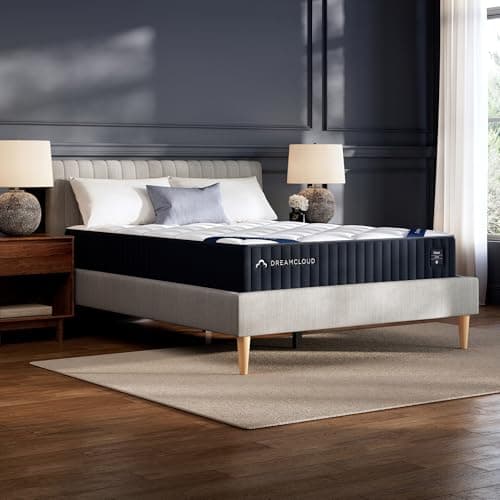 DreamCloud 12" Hybrid A coil-core hybrid with a reinforced perimeter and a medium-firm feel — the combination that makes sitting on the edge and pushing up to stand the least work. The safe default. Best for: Most people / easy in and out | Most people / easy in and out | $699.00 · View on Amazon Price as of September 10, 2026. #ad — we earn a commission. |
| 2 | 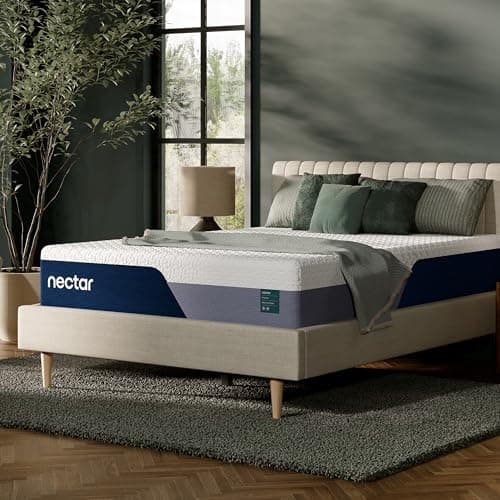 Nectar Premier 13" Memory Foam Thirteen inches of deep memory foam that spreads your weight instead of pressing back at it — the pick when a firm surface makes a shoulder or hip feel every inch of the bed. Best for: Pressure relief for achy joints | Pressure relief for achy joints | |
| 3 | 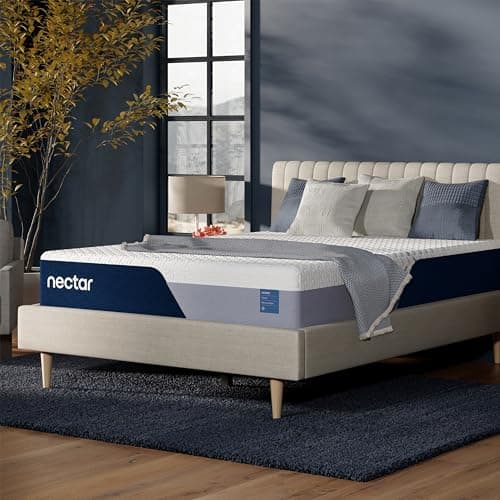 Nectar 12" Memory Foam The medium-firm, standard-depth Nectar: solid foam that swallows a partner's movement without the deep sink of the Premier. The pick for a shared bed. Best for: Motion isolation for couples | Motion isolation for couples | $699.00 · View on Amazon Price as of September 10, 2026. #ad — we earn a commission. |
| 4 | 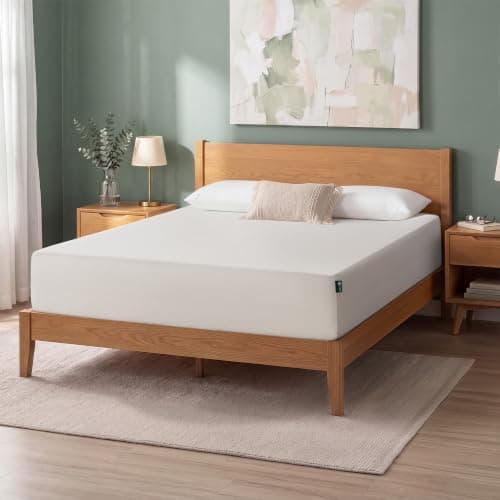 Zinus 12" Green Tea Memory Foam The cheapest honest way onto a medium-firm foam bed. You give up the long trial and the coil edge; you keep a supportive, on-top feel. Best for: Best budget | Best budget | |
| 5 | Nectar Ultra 15" Hybrid Nectar's deepest build, with a coil core instead of solid foam: air moves through the middle, the edge holds firmer, and you keep a deep comfort layer up top. Best for: Support with cooler sleep | Support with cooler sleep | Check price on Amazon → #ad — we earn a commission. |
| 6 | 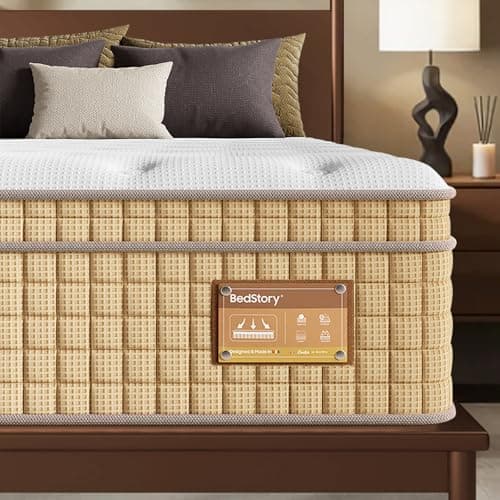 BedStory 14" Firm Hybrid The firm, tall option: a 14-inch coil-core bed with a stiff edge and a high surface, built for someone who finds soft beds a trap to climb out of. Best for: Firmer, taller edge to rise from | Firmer, taller edge to rise from | $399.99 · View on Amazon Price as of September 10, 2026. #ad — we earn a commission. |
Two questions decide this, and neither one is on the spec sheet
"Best mattress for seniors" is a category built for search boxes, not for bodies. Seniors is a demographic, not a diagnosis, and there is no material or firmness that a factory installs for a sixtieth birthday. So let's be plain about what actually changes with age when you're shopping for a bed, because it's smaller and more practical than the marketing wants it to be. It comes down to two questions that never appear on a spec sheet: can you get out of this bed easily, and can you move around comfortably once you're in it. Get those two right and most of the rest of the decision sorts itself out.
The first question — getting out — is half the mattress and half arithmetic. The mattress part is the edge. When you sit on the side of the bed to put your shoes on or to push yourself up to stand, you want that edge to hold its shape and give you something firm to press against. A coil core with a reinforced perimeter does exactly that; a soft all-foam edge collapses under you and makes rising more work. The arithmetic part is height— not the mattress height alone, but the finished surface once the mattress sits on its frame or base. The target is simple: feet flat on the floor and knees roughly level with your hips when you sit on the edge. Too high and you slide down to stand; too low and you have to lever yourself up. A tall 14-inch bed on a tall frame can miss that badly, and it's worth measuring before you buy rather than discovering afterward.
The second question — moving once you're in it — is about firmness, and specifically about not sinking. A bed so soft that your hips and shoulders settle into a well feels wonderful for the first thirty seconds and then fights you every time you try to turn over, because each roll-over starts with climbing out of that well. A medium-firm surface keeps you resting on top of the mattress, where changing position takes almost no effort. That's the whole reason this page keeps steering toward medium-firm and away from the plushest beds: not because soft is bad, but because ease of movement is one of the things that quietly matters most and is the easiest to overlook in a showroom.
None of this needs a showroom to check, which is lucky, because a two-minute test lie-down tells you almost nothing about a bed you'll spend a thousand nights on. The things that matter here reveal themselves in the first week at home: sit on the edge and see whether it holds you or sags under you; notice whether your feet sit flat on the floor when you do; and pay attention on the third or fourth morning to how much effort it takes to turn over and stand up. That is exactly what the long trials on the DreamCloud, the Nectar beds and the BedStory are for — a season of real mornings is the only honest test, and every one of those picks lets you send the bed back if it fails it. A quick test in a store, by contrast, rewards the plushest mattress on the floor, which, as we'll see, is often the wrong one for the person doing the getting up.
The five things that matter, in the order they matter
If you strip the category down to what actually moves the decision for an older adult, here's the list, roughly in priority order. Your order may differ — a couple sharing a bed will push motion up the list, a hot sleeper will push temperature up — but this is the honest ranking for most people.
- Getting in and out. A firm, supported edge to sit on and push up from, at a finished height that lets your feet reach the floor. This is where the coil-core hybrids (the DreamCloud, the Nectar Ultra Hybrid, the firm BedStory) earn their place, and where an adjustable base can quietly solve the height half of the problem by letting you raise the head to sit up and lower the whole bed to stand.
- Pressure relief without a pit.A lighter or achier body needs the bed to spread its weight so the shoulder and hip aren't carrying it all — but not so much give that you sink and can't reposition. This is a balance, and it's why the deep all-foam Nectar Premier and the firm BedStory sit at opposite ends of the page: one cushions and cradles, the other supports and stays flat, and most people want something between them.
- The medium-firm sweet spot.Firm enough to move on and rise from, soft enough to take the edge off pressure points. It's the range most adults do best on, and our firmness guide explains why it shifts a little softer for lighter bodies and firmer for heavier ones.
- Motion isolation for a shared bed.If a partner turns over or gets up in the night and it wakes you, solid foam absorbs that movement far better than coils do. This is the one place an all-foam bed clearly beats a hybrid, and it's why the standard Nectar is here for couples — the same logic runs through our best mattresses for couples page.
- Temperature. Last on the list for most people, but decisive if you run hot. A coil core moves air through the bed all night; solid foam insulates and holds your heat in. If waking up warm is a regular thing, that points you at a hybrid — the full argument is on our cooling page.
Notice that four of those five are about the same trade-off seen from different angles: a coil-core hybrid gives you a firmer edge and cooler sleep, while an all-foam bed gives you quieter motion and deeper cushioning. There is no bed that wins all four, which is exactly why this roundup has both kinds on it instead of pretending one construction is the answer for everyone.
Foam or hybrid, and where a soft bed quietly works against you
This is the fork most of the decision runs through, so it's worth being blunt about it. A hybrid has a coil support core; an all-foam bed doesn't. That single structural difference decides the two things older adults tend to care about — the edge and the temperature — because coils hold a firmer perimeter and let air move through the middle of the bed, and foam does neither. If getting up easily or sleeping cool is your problem, a hybrid is the honest answer, and you can stop reading the foam picks. The mechanics of why are laid out in our memory foam versus hybrid guide.
So why buy foam at all? Because it does two things a coil bed can't. It absorbs a partner's movement, so a restless bedmate doesn't travel across the mattress and wake you. And its deep contour spreads pressure more thoroughly, which a very light body or an achier one often wants. Those are real advantages, and for the right person they outweigh the firmer edge of a hybrid. The trap is choosing foam for the cradle and then being surprised that the bed sleeps warm and gives way at the edge — both of those are foam being foam, not a defect in any particular mattress.
Body weight tips the same scale, and it's worth being honest that it decides more than age does. A lighter person doesn't press far enough into a firm bed to get any give from it, so a firm mattress can feel like a board and leave the shoulder and hip unsupported — they usually want medium or medium-firm. A heavier person sinks further into everything, so they need firmer support just to stay level and to keep from rolling into a dip in the middle. Sleeping position stacks on top of that: a side sleeper needs the shoulder and hip to sink a little so the spine stays straight, which pushes softer, while a back or stomach sleeper wants firmer to keep the hips from dropping. None of that is specific to older adults, but it's the reason two people the same age can genuinely need opposite beds — and why "best for seniors" is a starting point, not an answer.
Here's the part a mattress page has a financial reason to soft-pedal, so take it seriously: for an older adult, the softest, most luxurious bed in the store is often the wrong one. A plush surface feels like comfort in a two-minute test and then becomes the bed you struggle to turn over on and struggle to climb out of. If you're shopping for someone who already finds getting up a chore, steer firmer than instinct suggests — toward the medium-firm and firm end of this page — even though the plush one feels nicer in the moment. The goal isn't the most cushioning; it's the most cushioning you can have while still resting on top of the bed instead of down in it.
One more lever worth naming, because it changes the height half of the equation independently of the mattress: an adjustable bed base. Raising the head of the bed makes sitting up and swinging your legs over the side genuinely easier, and a base that lowers lets you set the getting-out height right even under a tall mattress. It pairs well with most of the foam and hybrid picks here (a stiff innerspring is the one thing that won't flex on one), and it's worth considering as part of the same purchase rather than an afterthought.
What we can't tell you — and where a doctor comes in
Two honesty notes to close on, both of which most sites in this category leave out. The first is about what this page is: we haven't slept on these mattresses, we don't run a test lab, and we don't own the equipment to measure edge firmness or surface temperature. So we won't hand you a number and pretend it's objective, and anyone who gives you a precise "edge support score" for a bed they bought on Amazon last week is inventing it. What we can do — and what this whole page is — is reason from how these beds are built. A reinforced coil perimeter holds an edge; solid foam gives way; a coil core moves air and foam traps it; medium-firm keeps you on top of the bed and plush lets you sink. That's construction, not a measurement, and where we're reasoning rather than reporting we've said so out loud. If you want to weigh these against the whole field, our best mattresses on Amazon page covers foam and hybrid together.
The second is more important, and it's a line we won't cross. A mattress is a comfort and support product, not a treatment. Nothing on this page is chosen to treat, relieve, or prevent any condition, and we make no claims about arthritis, circulation, mobility, bedsores, or any other medical matter — those aren't things a mattress listing can honestly speak to. What a mattress can do is give you a supportive surface that keeps your spine roughly aligned, spread pressure so a bony shoulder or hip isn't bearing all your weight, and make it easier to get up. If you or the person you're shopping for has real, persistent pain or a diagnosed condition, that is a conversation for a doctor — who can tell you what firmness or sleeping position actually suits your situation in a way no roundup can. Our back-pain mattress page takes the same line: it talks about spinal support and pressure, and it sends you to a professional for the rest. Buy on comfort and support, not on a health promise, and you'll do fine.
The picks, in full
1. Best for Most people / easy in and out
DreamCloud 12" Hybrid
A coil-core hybrid with a reinforced perimeter and a medium-firm feel — the combination that makes sitting on the edge and pushing up to stand the least work. The safe default.
Price as of September 10, 2026. #ad — we earn a commission.
Key specs
- 12" hybrid
- Memory foam over an innerspring coil core
- 365-night trial (as listed)
- Medium firm feel
- Queen
What's good
- The coil core runs a firmer, reinforced band around the perimeter, so the edge holds its shape when you sit on it to put shoes on or push up to stand — the single most useful feature on a bed for anyone who dreads getting up
- Medium firm means you rest on top of the bed rather than sinking into it, which is what lets you roll over and change position without hauling yourself out of a well of foam
- A 365-night trial from an established brand with a real returns operation, so you can sleep on it through a full season and send it back if the feel is wrong
What's not
- At 12 inches it sits tall, and on top of a frame or an adjustable base the surface can end up higher than a shorter person wants — feet should reach the floor when you sit on the edge
- It's a hybrid, so the coils carry a partner's movement across the bed more than solid foam would
- Mid-to-upper price; the Zinus below gets you a medium-firm foam feel for much less if a firm edge isn't your first concern
Skip this one if
A restless partner wakes you and motion is your main complaint. Coils transmit movement — an all-foam Nectar isolates it far better, so if a moving bedmate is the real problem, take one of the foam picks below.
2. Best for Pressure relief for achy joints
Nectar Premier 13" Memory Foam
Thirteen inches of deep memory foam that spreads your weight instead of pressing back at it — the pick when a firm surface makes a shoulder or hip feel every inch of the bed.
Key specs
- 13" all-foam
- Deep contouring comfort layer
- Medium firm (as listed)
- 1-year trial (as listed)
- Queen
What's good
- The deep comfort layer lets a shoulder and hip settle in and spreads the load over a wider area, so a lighter or achier body isn't concentrating pressure on the few parts that touch the bed first
- Solid foam absorbs movement better than any coil bed here, so a partner turning over barely reaches your side — the best motion isolation on the page paired with the deepest cushioning
- A stated 1-year trial, the longest window here, which matters most on a soft bed because whether a plush feel truly suits you takes weeks of real nights to know
What's not
- All-foam insulates, so it sleeps warmer than any hybrid on this page — if you run hot, that deep foam holds your heat against you
- The same softness that relieves pressure lets you sink in, and a bed you sink into is harder to reposition on and harder to rise from
- Foam edges compress when you sit on them, so the perimeter gives way rather than supporting you up — the opposite of what the getting-in-and-out picks do
Skip this one if
Getting in and out is your number-one problem. A soft foam bed with edges that collapse under you is the hardest kind to rise from — take the DreamCloud or the BedStory hybrid, which give you a firm edge to push against.
3. Best for Motion isolation for couples
Nectar 12" Memory Foam
The medium-firm, standard-depth Nectar: solid foam that swallows a partner's movement without the deep sink of the Premier. The pick for a shared bed.
Price as of September 10, 2026. #ad — we earn a commission.
Key specs
- 12" all-foam
- Medium firm (as listed)
- 1-year trial (as listed)
- Queen
What's good
- Solid foam absorbs motion better than coils, so one person turning over or getting up in the night doesn't travel across the bed and wake the other — the clearest reason to choose foam over a hybrid
- At 12 inches with a medium-firm feel, it keeps you resting more on top of the bed than the deep Premier does, so you get the motion isolation without sinking quite as far into the foam
- A 1-year trial from an established brand, a genuinely long window to find out whether it settles the way you both want
What's not
- It's all-foam, so it runs warmer than a hybrid and the edges soften when you sit down on them
- Medium-firm foam relieves less pressure than the deep Premier, so a very light side sleeper with an achy shoulder may want more cushion
- No coil core means no real airflow — if either of you sleeps hot, this is the wrong direction
Skip this one if
Either of you sleeps hot, or getting up easily matters more than a quiet bed. Foam insulates and its edges give way — if heat or rising is the priority, a hybrid moves air and holds an edge; see our cooling page.
4. Best for Best budget
Zinus 12" Green Tea Memory Foam
The cheapest honest way onto a medium-firm foam bed. You give up the long trial and the coil edge; you keep a supportive, on-top feel.
Key specs
- 12" all-foam
- Medium firm (as listed)
- CertiPUR-US (as listed)
- Bed in a box
What's good
- It's the lowest-priced route to a medium-firm feel here, and medium-firm is the range most older adults do best on — you're not paying up to reach the sweet spot
- The listing states CertiPUR-US certification, the foam-safety reassurance that matters most at the budget end where corners get cut
- Zinus is one of the longest-running Amazon-native mattress brands, with a stable listing and warranty history behind a bed at this price
What's not
- All-foam, so it insulates and the edges soften when you sit on them — the two things that make rising harder
- No long sleep trial is stated, so you commit with less of a safety net than the DreamCloud or Nectar give you
- The comfort layer is thinner than the premium foam beds, so deep pressure relief for a very light body is more modest
Skip this one if
A firm edge to push up from is the thing you need most. This is a value foam bed with the softest perimeter on the page — if getting in and out is the priority, spend up for a coil-core hybrid.
5. Best for Support with cooler sleep
Nectar Ultra 15" Hybrid
Nectar's deepest build, with a coil core instead of solid foam: air moves through the middle, the edge holds firmer, and you keep a deep comfort layer up top.
#ad — we earn a commission.
Key specs
- 15" hybrid
- Memory foam over individually-wrapped coils
- Medium firm (as listed)
- 1-year trial (as listed), forever warranty (Nectar's published term)
What's good
- The coil core does two jobs an all-foam bed can't — it moves air through the bed so you sleep cooler, and it holds a firmer edge to sit on and rise from
- You still get a deep comfort layer, so a shoulder and hip get real cushioning while the coils underneath keep you supported and ventilated at once
- A 1-year trial on the listing and the forever warranty Nectar publishes for the Ultra - the strongest terms in this group, and both the maker's own commitments rather than our characterization
What's not
- At 15 inches it's tall, and stacked on a base the surface can sit higher than a shorter person wants — worth measuring so your feet reach the floor
- Coils carry a partner's movement more than the all-foam Nectars do, so it's the wrong pick if a restless bedmate is the issue
- It's the priciest bed here; the depth, the coil core and the warranty are what you're paying for
Skip this one if
Bed height is already a worry. Fifteen inches plus a frame or base sits tall — either choose a lower-profile bed or pair it with an adjustable base you can raise to sit up and lower to get out.
6. Best for Firmer, taller edge to rise from
BedStory 14" Firm Hybrid
The firm, tall option: a 14-inch coil-core bed with a stiff edge and a high surface, built for someone who finds soft beds a trap to climb out of.
Price as of September 10, 2026. #ad — we earn a commission.
Key specs
- 14" hybrid
- Firm feel (as listed)
- Zoned lumbar support (as listed)
- 365-night trial, 10-yr warranty (as listed)
What's good
- A firm feel over a coil core gives the stiffest edge on the page to sit on and push up from, and it barely lets you sink — the easiest bed here to change position on and rise from
- At 14 inches it's the tallest bed here, which for a shorter frame or a low base can bring the surface up to a height where standing takes less effort
- The listing states zoned lumbar support — firmer coils under the midsection to keep the hips from settling — plus a 365-night trial and a 10-year warranty
What's not
- Firm is genuinely firm, and for a lighter body or a side sleeper it can press back at the shoulder and hip instead of cushioning them
- Fourteen inches is a lot of bed to move, and on a tall frame the surface can end up higher than you want rather than lower
- It's a hybrid, so the coils transmit a partner's movement more than a foam bed would
Skip this one if
You're a lighter person or you sleep on your side. A firm bed gives a light body nothing to sink into and concentrates pressure on the shoulder and hip — take the Nectar Premier foam or a medium-firm pick instead.
Common questions
What firmness is best for older adults?
Medium-firm is the range most older adults land in, but the honest answer is that firmness is personal and depends on your weight and how you sleep. The reason medium-firm works so widely is structural: it's firm enough that you rest on top of the bed and can roll over and push up without fighting the mattress, and soft enough that a shoulder or hip still gets some cushioning. A lighter body doesn't press into a bed as far, so it often wants something a touch softer to get any contouring at all; a heavier body sinks more, so it usually wants firmer support to stay level. Start at medium-firm and adjust from there. Sleep Foundation's firmness guide breaks the scale down by weight and position if you want the detail.
Is memory foam or a hybrid better for seniors?
Neither wins outright — they trade strengths, and which matters depends on your problem. A hybrid has a coil core, which does two things that help an older adult specifically: it holds a firmer edge to sit on and push up from, and it moves air so the bed sleeps cooler. An all-foam bed gives those up but does two other things better: it absorbs a partner's movement so a restless bedmate doesn't wake you, and its deeper contour spreads pressure for a lighter or achier body. If getting in and out or sleeping cool is your issue, lean hybrid. If a quiet bed and deep cushioning matter more, lean foam. There's no medically correct choice here, only which trade-off fits you.
Does bed height matter for getting in and out?
Yes, and it's the factor people forget to measure. What you want is to sit on the edge with your feet flat on the floor and your knees roughly level with your hips — from there, standing up takes the least effort. That height is the mattress plus whatever it sits on, so a 14-inch bed on a tall frame can end up too high, and a low platform under a thin mattress can end up too low. Measure the finished surface height against the person who'll use it before you buy, not after. If the number is hard to get right with a fixed setup, an adjustable base lets you change it.
Are adjustable bases worth it for seniors?
For a lot of older adults, yes — and the reasons are about comfort and convenience, not medicine. Raising the head of the bed makes sitting up and swinging your legs over the edge less of a fight, and raising the feet slightly can make lying down feel more settled. It also lets you read or watch television without stacking pillows against a headboard. What an adjustable base won't do is fix a mattress that's the wrong firmness — it changes the angle, not the feel. If the idea appeals, our guide to adjustable bed bases covers which mattresses work on one (most foam and hybrid beds flex fine; a stiff innerspring may not) and what to look for.
What mattress is easiest to move around on?
A firmer one, within reason. The thing that makes repositioning hard is sinking — when a soft bed lets your hips and shoulders settle into a well, every roll-over means climbing out of that well first. A medium-firm to firm surface keeps you resting on top of the bed, so turning over and shifting position takes far less effort, and the same firmness holds a better edge to rise from. The trade-off is cushioning: go too firm and a lighter body or a side sleeper gets pressure on the shoulder and hip instead of relief. Medium-firm is usually the balance between easy to move on and still comfortable. If persistent pain is driving the question, that's worth raising with your doctor rather than trying to solve it with a mattress alone.
Sources
Where the facts on this page come from. We cite other people's testing because we don't do our own — here's what that means.
Read next
- What Is Edge Support?Edge support is how well a mattress holds firm at the perimeter instead of collapsing when you sit or lie near the edge. What builds it, the honest trade-offs, and who actually needs it.
- The Best Mattresses for Lower Back PainSix mattresses judged purely on support and spinal alignment — and why medium-firm, not firm, is where the evidence points.
- The Best Adjustable Bed Bases (For Mattresses That Can Bend)Six adjustable bed bases chosen on the one rule that matters - your mattress has to bend on it - plus motor noise, weight capacity and which features are worth paying for. Honest cons on every pick.
- The Best Cooling Mattresses for Hot SleepersSix mattresses that actually sleep cooler, led by hybrids because a coil core is the only cooling feature that doesn't saturate by midnight — with honest cons on every pick.
- Mattress Firmness: The 1-10 Scale, HonestlyWhat the 1-10 firmness scale actually means, why one brand's 6 is another's 7, and how your bodyweight changes the answer.
- The Best Mattresses on AmazonSix Amazon mattresses worth your money, with live prices and an honest note on who each one is wrong for.