How to Choose a Duvet Cover
A duvet cover is the washable shell that goes over your duvet insert — it decides the look, the feel against your skin, and how the bed sleeps for temperature. Getting it right comes down to four things: sizing it to the insert, the closure, the corner ties, and the fabric. Here is how to nail each.
We earn a commission if you buy through our links. It doesn't affect our picks — and we never take free products. How this site is funded.
A duvet cover is the washable shell that slips over a duvet insert — the part you actually see, touch, and throw in the laundry. Because it wraps the insert completely, the cover decides three things that matter every night: how the bed looks, how it feels against your skin, and how hot or cool it sleeps. The insert supplies the warmth; the cover supplies almost everything else. Choosing well comes down to four decisions, and this guide takes them in order.
First, a placement note. If you are not sure a duvet-and-cover setup is even what you want versus an all-in-one comforter, start with duvet vs comforter. If you need to pick the insert that goes inside the cover, that is a separate job covered in how to choose a comforter and on our best duvet inserts page. This page is about the cover itself.
1. Size the cover to the insert, not the mattress
The most common sizing mistake is buying the cover to match the bed. A duvet cover should match the insert's stated size: a queen insert goes in a queen cover, a king in a king. Because inserts are already sized to drape over a given mattress, matching the cover to the insert gets the drape right automatically.
Two wrinkles are worth knowing. First, some brands cut their inserts oversized— a "king" insert from one maker can measure noticeably larger than another's. Always buy the cover to the insert's actual measured dimensions, not to the size on the label, or a genuinely oversized insert will not fit. Second, there is the fill-power question. A high-fill-power down insert is very lofty, so it fills a cover cut exactly to size and looks plump; a low-loft or down-alternative insert can look a little empty in the same cover. If a full, luxurious look is the goal, some people deliberately choose a fuller insert for the cover they want, or size the cover snugly. Neither is wrong — just decide the look you are after before you buy.
2. Pick a closure you will actually use
The opening at the foot of the cover is closed one of three ways, and the choice is about how you like to change bedding rather than about quality.
- Zipper. Fastest to close and the most secure against the insert peeking out. The catch is that a cheap zipper can snag or fail, and you can sometimes feel a stiff zip along the bottom edge. A good hidden zipper is excellent; a bad one is the first thing to break.
- Buttons and loops. The classic closure — quiet, easy to replace if one pops off, and nothing to feel through the fabric. The trade-offs are that buttoning takes longer and the cover can gap slightly between buttons if they are widely spaced.
- Ties. Fabric ties at the opening are the gentlest and most traditional, though slower still. More often, ties show up inside the corners for a different job entirely, which is the next point.
There is no best answer; there is only the one that matches how patient you are on laundry day. Many covers pair a button or zip opening with internal corner ties, which is genuinely the most practical combination.
3. Corner ties: the feature that stops the bunching
If a duvet ever ends up lopsided, with all the fill slumped to one end and a flat, empty corner, the cause is almost always the same: nothing was holding the insert in place. This is the single most important thing to check for, and it is easy to miss on a product page.
A good cover has fabric loops or ties sewn into each inside corner. Your insert should have matching loops; you knot the two together, and the insert is anchored so it cannot slide. Check that both the cover and the insert have corner loops before you buy — a cover with ties is useless if the insert has nothing to tie to, and vice versa. If you already own an insert without loops, small duvet clips that grip both layers do the same job. Skip this and even a perfectly sized set will migrate over a few nights into the classic bunched mess.
4. Fabric and weave: this is where feel and heat are decided
The fabric is the biggest lever on how a duvet cover feels and how it sleeps, and the same fibers and weaves that define sheets apply here because the cover is, in effect, a giant pillowcase for your duvet.
Cotton percale is a crisp, matte, over-under weave that breathes well and sleeps cool — the hotel-bed feel. It is the safe default and the friend of hot sleepers.
Cotton sateen uses floating threads to create a smooth, silky, slightly lustrous surface. It feels more luxurious to many people, but those same floating threads cover the gaps that let air through, so sateen sleeps warmer than percale. Good if you run cold, less good if you run hot.
Linen is the most breathable choice and the most casual look — relaxed, slubby, and textured. Its thick flax fibers hold the cloth off your skin and move moisture, so it is the coolest-sleeping cover and the one that ages best, at a higher price and with permanent wrinkles you have to like.
Microfiber is a soft, inexpensive synthetic. It is the budget option and can feel pleasant, but as a synthetic it tends to trap heat and is the warmest-sleeping of the group, so it is a poor match for a hot sleeper even though the price is tempting.
The practical rule: if you or your insert already run warm, choose linen or percale; if you run cold or want a silkier hand, sateen or microfiber are fine. The full split of picks by fabric is on the best duvet covers.
The thread-count caveat
Thread count sells covers, but it deserves a skeptical eye. The number only means something when you compare the same weave in the same fiber, and past roughly the mid-hundreds it is frequently inflated by counting the plies within a thread, so a "1000-count" cover is not automatically better than a well-made 300-count one. Fiber quality — a long-staple cotton versus a generic short-staple one — and the weave matter far more than the raw count. Use thread count as a loose sanity check within a single fabric type, never as a score to rank different fabrics against each other.
Care, briefly
The whole point of a cover is that it washes, which is why a duvet setup is easier to keep clean than an all-in-one comforter. Most cotton covers wash warm or cool and tumble on low; linen prefers a gentle cycle and no fabric softener, which dulls its texture. Wash the cover on the same rhythm as your sheets and the bulky insert rarely needs washing at all. The step-by-step is in how to wash a duvet cover.
Putting it together
Size the cover to your insert's real measurements, not the mattress and not the label. Pick a closure that matches how you like to change bedding — zip for speed and security, buttons for simplicity. Insist on corner ties, on both the cover and the insert, because they are what keep the duvet from bunching. Then let the fabric decide the feel and the temperature: percale or linen to sleep cool, sateen or microfiber for a softer, warmer hand. Get those four right and the cover disappears into a bed that looks good, feels right, and washes easily — which is all a duvet cover is really for.
The cheap stuff worth having
For the case above: an insert with no corner loops, inside a cover you otherwise like. Clips are the retrofit — if you are still choosing, a cover with sewn-in ties is the better answer and costs nothing extra.
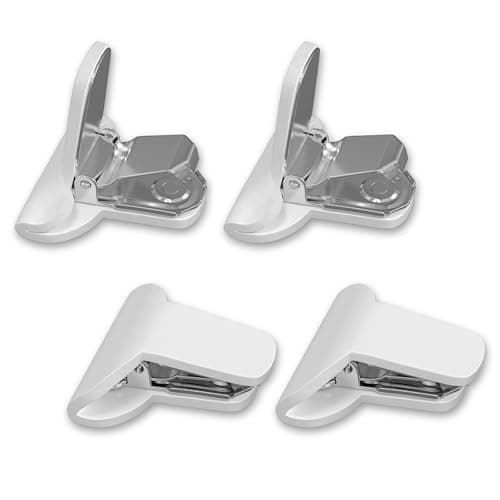
Fresh Ideas Comforter Clips for Duvet Covers (4-Pack)
Clips that grip the insert through the cover, so the duvet stops migrating into one corner overnight. The retrofit for an insert that came without corner loops.
Skip it if Your insert has loops and your cover has ties. Use those — a sewn-in tie holds better than anything clipped on from outside.
Common questions
What size duvet cover do I need for my insert?
Match the cover to the insert's stated size, not to your mattress. A queen insert goes in a queen cover. The only nuance is fluffiness: a very high-fill-power down insert is lofty and can look squashed or slide around inside a cover cut exactly to size, so some people size the cover to match and some deliberately choose a fuller insert for a cover they want to look plump. If your insert measures larger than standard — some brands run oversized — buy the cover to the insert's actual dimensions, not the label, or it will not fit.
What closure type is best for a duvet cover — buttons, zip, or ties?
All three work; they trade convenience against feel. A zipper is the fastest to close and the most secure against the insert peeking out, but a cheap zipper can snag or fail and you can sometimes feel it along the bottom edge. Buttons and loops are classic, quiet, and easy to replace if one pops, but slower to fasten and they can gap slightly between buttons. Fabric ties on the inside corners are less about the opening and more about holding the insert in place. Many covers combine a button or zip opening with internal corner ties, which is the best of both.
How do I stop the duvet insert from shifting inside the cover?
Corner ties are the answer, and they are the single feature most worth checking for. A good cover has fabric loops or ties sewn into each inside corner that you knot to matching loops on the insert, which anchors the fill so it cannot slide into a lump at one end. If your insert has no corner loops, you can buy small clips that grip both layers. Without either, even a well-fitted insert eventually migrates, which is why a bunched, lopsided duvet is nearly always a corner-tie problem, not an insert problem.
Which duvet cover fabric sleeps coolest?
Linen and crisp cotton percale sleep coolest; cotton sateen and microfiber sleep warmest. Linen's thick flax fibers hold the fabric off your skin and move moisture, so it is the most breathable choice. Percale's simple over-under weave leaves regular gaps for air and feels cool and crisp. Sateen's floating threads cover those gaps, which is what makes it silky and lustrous but also warmer. Microfiber is soft and cheap but is a synthetic that tends to trap heat. If you or your insert already run hot, choose linen or percale for the cover.
Does thread count matter for a duvet cover?
Less than the marketing suggests, and it is easy to be misled. Thread count only compares like weaves of the same fiber, and beyond roughly the mid-hundreds the number is often inflated by counting multi-ply threads, so a 1000-count cover is not automatically better than a 300-count one. Fiber quality and weave matter far more than the raw number: a well-made percale in long-staple cotton beats a high-count sheet of poor fiber. Treat thread count as a rough sanity check within one fabric type, not as a quality score across types.
Sources
Where the facts on this page come from. We cite other people's testing because we don't do our own — here's what that means.
Read next
- The Best Duvet CoversSix duvet covers worth buying, plus the one word on the label that separates cotton from polyester, why corner ties matter more than thread count, and how to size a cover to your insert.
- Duvet vs ComforterA comforter is a single finished bedspread you use as-is; a duvet is an insert that goes inside a washable cover. How they differ on laundering, styling, warmth, and cost — and a clear verdict for which to buy.
- The Best Duvet InsertsSix duvet inserts worth buying, plus the two numbers sellers conflate, why baffle-box construction beats box stitching, and how to pick warmth for your room.
- How to Choose a ComforterFive levers decide a comforter: fill (down, down alternative, wool, or cotton), warmth level for your climate, finished comforter versus insert-plus-cover, size and drape, and construction and care.
- How to Wash a Duvet CoverA wash-and-dry method for duvet covers by fabric — cotton and percale, sateen, linen, bamboo viscose and microfiber — plus why you close the buttons and turn it inside out, how often to actually wash it, and the California-roll trick for re-stuffing the insert.