Lucid vs Brooklyn Bedding
One is a cheap all-foam bed you pick the feel of; the other is a pricier hybrid with a coil core. This isn't two versions of the same mattress — it's a foam-versus-hybrid choice and a budget-versus-premium one in the same decision, so we'll take them apart on what each listing actually commits to.
We earn a commission if you buy through our links. It doesn't affect our picks — and we never take free products. How this site is funded.
Quick picks
| # | Product | Best for | Price |
|---|---|---|---|
| 1 | 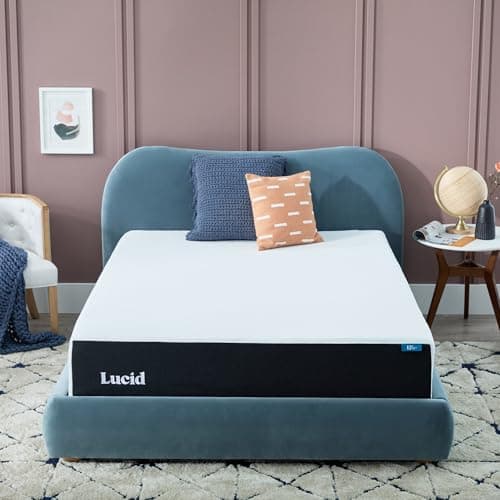 Lucid 12" Gel Memory Foam, Medium Firm The cheaper bed, all-foam, and sold in plush, medium and firm so you choose the surface instead of taking one. It states fiberglass free, and foam beats coils on one real thing: it won't pass a restless partner's movement to you. Best for: The budget buyer who wants to pick the feel | The budget buyer who wants to pick the feel | $449.99 · View on Amazon Price as of September 12, 2026. #ad — we earn a commission. |
| 2 | 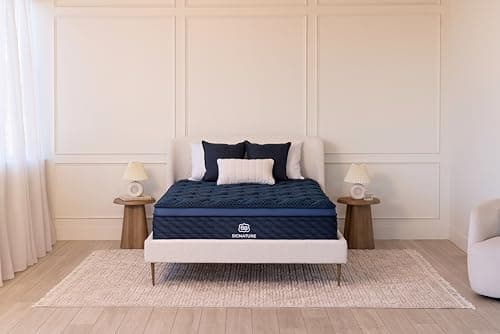 Brooklyn Bedding Signature Hybrid 13" Medium The premium bed, and a hybrid: a coil core that ventilates, holds the edge and pushes back with a responsiveness foam can't match. Sold in soft, medium and firm, and built in-house rather than white-labeled. You pay for all of it. Best for: Coils, airflow and edge support — if you'll pay up | Coils, airflow and edge support — if you'll pay up | $1,098.75 · View on Amazon Price as of September 12, 2026. #ad — we earn a commission. |
Why this is really two questions at once
Most head-to-heads pit two beds of the same type against each other, so the decision is narrow. This one isn't. The Lucid 12-inch is a budget all-foam mattress, and the Brooklyn Bedding Signature is a pricier hybrid built around a coil core. So you're not just asking which bed is better — you're answering two different questions in the same breath: foam or hybrid, and budget or premium. They happen to line up here, because the cheaper bed is the foam one and the dearer bed is the hybrid, which is exactly why people cross-shop this pair when they're deciding how much mattress they actually need.
That makes it a genuinely honest comparison rather than a coronation. There is no bed on this page that is better at everything. The Lucid does one thing the Brooklyn can't, the Brooklyn does several things the Lucid can't, and the right answer depends entirely on which of those things describes you. Everything below is one criterion at a time, drawn from what each listing actually states — not from anything we measured, because we run no lab and we're not going to pretend otherwise. If you want the wider foam-versus-hybrid argument stripped of these two specific products, our memory foam vs hybrid guide is the place for it.
Construction: the coil core decides most of it
Start here, because almost every other difference falls out of this one. The Lucid is solid foam all the way down. The Brooklyn is a hybrid: a layer of foam over a core of steel coils. That single structural difference drives four separate things, and they don't all point the same way.
Airflow.Air moves through a spring layer the way it simply cannot move through a solid foam slab. A coil core has open space in it; foam has none. So a hybrid ventilates and an all-foam bed insulates. This is the single biggest reason to pay up for the Brooklyn, and we'll give heat its own section below because it's the deciding factor for so many people.
Edge support.Coils around the perimeter hold the edge of the bed firm, so it doesn't collapse when you sit on it to put on your shoes, and you can sleep closer to the edge without the sense of rolling off. Foam gives at the edge — it compresses under a concentrated load rather than pushing back. If you sleep on a smaller bed, or share one and use every inch of it, the Brooklyn's edge is a real, everyday advantage.
Responsiveness.A spring pushes back. That means the Brooklyn lets you move and reposition on top of the mattress, where the Lucid's foam lets you sink in and then has to release you slowly. Combination sleepers who turn over a lot through the night tend to prefer the springier surface for that reason — it doesn't fight a change of position the way memory foam can.
Durability.Both materials fatigue, but on different curves. Foam softens steadily with use, and a softening bed is a shorter-lived one; a coil core fatigues more slowly. At the budget end, that gap is real — you should expect the Lucid to have the shorter useful life of the two, which is part of what the Brooklyn's higher price is buying.
Motion isolation: the one thing foam wins
Here is where the cheaper bed genuinely beats the dearer one, and it's important not to bury it. Everything above favors the coil core — but coils have a cost, and it's motion transfer. A spring that pushes back against your hip also carries the movement of a partner turning over three feet away, and sends a little of it across the bed to you. Solid foam does the opposite: it absorbs that movement and deadens it before it reaches you.
So if you share your bed with someone restless, or you're the light sleeper who wakes when they shift, the Lucid's all-foam build is the better construction for you — not despite being the budget option, but genuinely better at this specific job than the more expensive hybrid. That's the honest shape of a foam-versus-hybrid decision: coils ventilate and hold the edge, foam insulates and isolates motion, and which matters more is a fact about your bedroom, not about which bed costs more.
Heat: coils ventilate, foam insulates
This is the criterion that ends the debate for a lot of people, so it's worth being blunt. The Brooklyn sleeps cooler. Not because of anything exotic, but because its coil core lets air move and carry heat away. The Lucid runs warmer because all foam insulates — there is no path for air to move through a solid core.
The Lucid's listing does state cooling gel and bamboo charcoal, and that's real, but it's worth understanding what it does. Gel pulls a little warmth away on first contact and then reaches equilibrium with your body, after which you're lying on a solid, insulating foam core again. It takes the edge off the initial warmth; it doesn't turn an insulating material into a ventilating one. So if you regularly wake up hot, don't buy the cooling gel and hope — buy the coil core. The wider case for airflow-first construction is on our best hybrid mattresses page, and the general foam-heat trade-off is covered under memory foam mattresses.
Firmness: both let you choose, which is rare
Usually one bed in a comparison makes you take a single firmness. Not here — both of these let you pick. Lucid sells the 12-inch in plush, medium and firm; Brooklyn lists the Signature in soft, medium and firm. So firmness isn't a point of difference between them, it's a decision you make on whichever bed you choose.
That still matters, because firmness isn't a fixed property of a mattress — it's a relationship between the bed and your body. The same medium slab reads firmer to a lighter sleeper and softer to a heavier one, and your sleeping position shifts it again: side sleepers generally want softer to let the shoulder and hip in, stomach sleepers firmer to keep the hips from sinking. If you already know what feel suits you, order it directly on either bed. If you don't, medium is the least-wrong starting point on both. One footnote worth keeping in mind: because Brooklyn builds its own mattresses in-house, its firmness options are genuinely different builds rather than the same core under a different cover — a small mark of quality at the premium end.
Price: what the premium actually buys
The Lucid is the cheaper bed by a clear margin, and the Brooklyn is the premium one. The live prices in the picks above will always be more accurate than a number written into the text today, because both beds discount and the gap moves — so check them there. What matters more than the exact spread is what the extra money is for, and on this page it's unusually easy to say: you're paying for the coil core and everything that follows from it. Airflow, edge support, responsiveness, and a support core that fatigues more slowly. That is a coherent bundle of upgrades, not a brand tax.
So the price question is really: do those upgrades describe problems you actually have? If you sleep hot, use the edge of the bed, turn over a lot, or want the bed to last longer, the premium is buying you fixes you will feel. If none of those is a live concern — you sleep cool, alone or with a still partner, and the budget is the point — then you'd be paying for headroom you won't use, and the Lucid is the smarter buy. The same picking-your-firmness advantage exists on both, so that isn't part of what the premium buys.
What the listings actually say, side by side
Drawn from the sellers' own Amazon listings. Where a listing doesn't state something, that's what the row says — we don't fill blanks on your behalf, and nothing here is a number we measured.
| Attribute | Lucid 12" Gel Foam | Brooklyn Bedding Signature |
|---|---|---|
| Construction | All-foam, 12" | Hybrid (coil core), 13" |
| Firmness options | Plush, medium, firm | Soft, medium, firm |
| Airflow / heat | Insulates (cooling gel surface) | Ventilates through the coil core |
| Edge support | Soft — foam gives at the edge | Firm — perimeter coils hold it |
| Motion isolation | Better — foam absorbs movement | Coils carry some movement |
| Fiberglass | Fiberglass free (stated) | Not stated in the listing title |
| Foam certification | CertiPUR-US | CertiPUR-US |
| Made | Amazon-native brand | Manufactured in-house |
| Price tier | Budget | Premium |
The verdict, by who you actually are
Buy the Lucid if the budget is the point — or you need motion isolation
Two very different buyers land on the same bed here. The first is the budget shopper: if the price is what matters and you sleep cool enough not to care about airflow, the Lucid does the core job of a mattress for much less, and you still get to choose plush, medium or firm. The second is the light sleeper who shares a bed — because motion isolation is the one thing foam genuinely does better than the hybrid, and it's worth more than any spec if a restless partner is what wakes you. The listing also states fiberglass free, a small extra reassurance at this price. If either of those is you, the cheaper bed is the right bed.
Buy the Brooklyn Bedding if you sleep hot or want the bed to push back — and you'll pay up
The premium is coherent and easy to justify when the upgrades match your problems. If you wake up warm, the coil core ventilates in a way no cooling gel can match. If you use the edge of the bed, sit on it, or sleep near the side, the perimeter coils hold it firm. If you turn over a lot, the springs let you move on top of the bed instead of sinking into it. And the coil core fatigues more slowly, so it should outlast the foam. You're paying more, but you're paying for a bundle of real fixes rather than a name — and Brooklyn builds it in-house, which is unusual at any price. If that list describes you, spend up.
How to break a tie
If you're genuinely torn, sort it with two questions in order. First: do you sleep hot? If yes, that alone points at the Brooklyn — no foam bed fixes heat. Second: do you share the bed with someone restless and wake when they move? If yes, that points back at the Lucid, whatever the budget. If neither question lands hard for you, let the price decide, because the two beds are closer than their construction suggests once heat and motion are off the table. For the fuller picture on either route, our best mattresses for back pain page carries the Brooklyn among its picks for support, and the same foam-versus-hybrid logic runs through everything on this site. Our full method, and the claims we refuse to make, are on how we review.
The picks, in full
1. Best for The budget buyer who wants to pick the feel
Lucid 12" Gel Memory Foam, Medium Firm
The cheaper bed, all-foam, and sold in plush, medium and firm so you choose the surface instead of taking one. It states fiberglass free, and foam beats coils on one real thing: it won't pass a restless partner's movement to you.
Price as of September 12, 2026. #ad — we earn a commission.
Key specs
- 12" all-foam
- Medium firm (also sold in plush) (as listed)
- Bamboo charcoal & cooling gel memory foam
- Fiberglass free (as listed)
- CertiPUR-US certified (as listed)
What's good
- It's the cheaper bed here by a clear margin, and the money you save is the whole point — this is the budget half of the comparison and it does the core job of a mattress without asking you to pay up for a coil core
- Lucid sells this same build in plush, medium and firm, so you match the feel to your weight and sleeping position rather than accepting one firmness — the same choice the Brooklyn offers, at a fraction of the price
- All-foam is the better answer for motion isolation: a solid foam core absorbs a partner shifting at 3am instead of carrying it across the bed the way a coil core does, and the listing states fiberglass free and CertiPUR-US outright
What's not
- It insulates. Foam has no internal airflow, so once the surface gel reaches equilibrium with your body you're lying on a solid, heat-trapping core — if you sleep hot, this is the wrong half of the page
- There's no coil core, so edge support is soft and the bed doesn't push back the way a spring does — sit on the edge to put on shoes and you'll feel it compress
- Budget foam softens faster than a coil core fatigues, so plan on a shorter useful life than the Brooklyn — you're trading longevity for the lower price
Skip this one if
You sleep hot or you want a bed that ventilates and holds its edge. Foam insulates and has no airflow no matter what the cooling gel is called — if waking up warm is your actual complaint, pay up for the Brooklyn's coil core instead.
2. Best for Coils, airflow and edge support — if you'll pay up
Brooklyn Bedding Signature Hybrid 13" Medium
The premium bed, and a hybrid: a coil core that ventilates, holds the edge and pushes back with a responsiveness foam can't match. Sold in soft, medium and firm, and built in-house rather than white-labeled. You pay for all of it.
Price as of September 12, 2026. #ad — we earn a commission.
Key specs
- 13" hybrid
- Medium feel (as listed)
- CertiPUR-US certified foam
- Also listed in soft and firm feels
What's good
- The coil core is the entire reason to spend up: air moves through a spring layer the way it never moves through solid foam, so a hybrid runs cooler, and the springs hold the perimeter so the edge doesn't collapse when you sit on it
- Springs are responsive — they push back and let you reposition on top of the bed rather than sinking into it, and they resist compression mechanically, so the core holds your hips up while the comfort layer above still gives
- Brooklyn Bedding manufactures its own mattresses rather than white-labeling, and lists this build in soft, medium and firm, so the firmness options are real builds and not cover swaps — the same choice the Lucid gives you, on a more durable construction
What's not
- It's the more expensive bed here by some way, and the coil core is most of what you're paying the premium for
- Coils transmit movement across the bed, so if you share it with a restless partner the Lucid's solid foam isolates motion better — this is the one clear thing the cheaper bed does better
- At 13 inches it's a tall, heavy mattress to move and to fit with deep-pocket sheets, and the listing title doesn't state a trial or warranty length, which you'd want when choosing a firmness blind
Skip this one if
You're on a tight budget, or you share the bed with someone restless and motion isolation is your priority. The coil core costs real money and it carries a partner's movement — if either of those is the deciding factor, the Lucid is the smarter buy.
Common questions
Is Lucid or Brooklyn Bedding better?
Neither is better outright, because they're different kinds of bed at different prices. The Lucid is a budget all-foam mattress you can order in plush, medium or firm; the Brooklyn Bedding Signature is a pricier hybrid with a coil core, also sold in soft, medium and firm. If your budget is tight, or you share the bed with a restless partner and want the best motion isolation, the Lucid is the pick — solid foam absorbs movement and costs less. If you sleep hot, want firmer edge support, or want a more responsive and more durable bed and you'll pay for it, the Brooklyn's coil core is worth the premium. Price and whether you sleep hot are the two levers that decide it.
Should I get a foam or a hybrid mattress?
It comes down to three trade-offs. Airflow: a hybrid's coil core lets air move through the bed, so it sleeps cooler, while all-foam insulates and runs warmer. Motion isolation: solid foam absorbs a partner's movement, while springs carry it across the bed, so foam is the better choice for light sleepers who share a bed. Edge support and responsiveness: coils hold the perimeter and push back so you can reposition on top of the bed, where foam lets you sink in and gives a softer edge. The Lucid is the foam side of that trade and the Brooklyn is the hybrid side. Our memory foam versus hybrid guide walks through it in full.
Can I choose the firmness on both of these?
Yes, and that's unusual for a comparison like this. Lucid sells the 12-inch bed in plush, medium and firm, and Brooklyn Bedding lists the Signature in soft, medium and firm — so on both beds you pick the feel rather than taking the manufacturer's average. Firmness is relative to your body: the same surface reads firmer to a lighter sleeper and softer to a heavier one, and your sleeping position shifts it again. So if you already know what feel suits you, order it directly on either bed. If you don't, medium is the least-wrong starting point on both.
Which one sleeps cooler, the Lucid or the Brooklyn Bedding?
The Brooklyn Bedding, and it isn't close, because the difference is structural rather than a matter of surface treatments. The Brooklyn is a hybrid with a coil core, and air moves through a spring layer, so heat has somewhere to go. The Lucid is all-foam with cooling gel, but gel is a first-contact effect that pulls a little warmth away and then reaches equilibrium, after which you're on a solid, insulating foam core with no internal airflow. If sleeping hot is your real concern, the coil core is the honest answer and the premium is buying you exactly that.
Do you make money from these links?
Yes. We earn an Amazon commission if you buy through the links on this page, and that's what funds the site. We don't take free products, we don't sell placement, and no brand sees a page before it publishes. We earn a commission on both of these mattresses either way, so the recommendation genuinely comes down to your budget and whether you sleep hot — not to which link pays us more.
Sources
Where the facts on this page come from. We cite other people's testing because we don't do our own — here's what that means.
Read next
- Zinus vs LucidThe two default budget Amazon foam beds head to head: Zinus wins on price and a track record, Lucid on picking your own firmness. Which one you buy depends on how sure you are.
- Brooklyn Bedding vs NectarA genuine hybrid-versus-foam decision: Brooklyn Bedding's Signature gives you a coil core and a choice of firmness; Nectar gives you a plush foam hug and a year to change your mind. The pick turns on airflow, motion and how sure you are of your feel.
- The Best Hybrid MattressesSix hybrid mattresses judged on what makes a coil core worth it over all-foam — airflow, edge support, responsiveness — with honest cons and a skip-this-one note on every pick.
- The Best Memory Foam MattressesWhat memory foam actually is, what it can and can't do, and the six I'd buy — with an honest note on who should skip each one.
- The Best Mattresses for Lower Back PainSix mattresses judged purely on support and spinal alignment — and why medium-firm, not firm, is where the evidence points.
- Memory Foam vs Hybrid MattressesFoam or coils? The six differences that matter, and the one axis that settles it for most buyers.