The Best Mattresses for Shoulder Pain
We're not doctors and this isn't medical advice. It's an honest read of which mattresses take the pressure off a side sleeper's shoulder — so it sinks in instead of being crushed, and the neck and spine stay level.
We earn a commission if you buy through our links. It doesn't affect our picks — and we never take free products. How this site is funded.
Quick picks
| # | Product | Best for | Price |
|---|---|---|---|
| 1 | 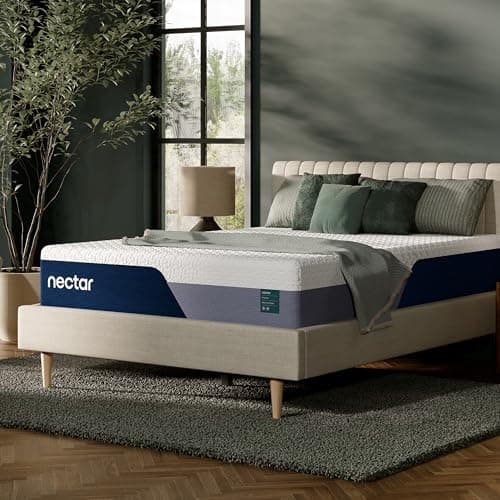 Nectar Premier 13" Queen Thirteen inches of memory foam gives a shoulder somewhere to disappear into, and a year to send it back if it doesn't suit you. The default pick for a side sleeper whose shoulder aches by morning. Best for: Best overall (deep pressure relief) | Best overall (deep pressure relief) | |
| 2 | 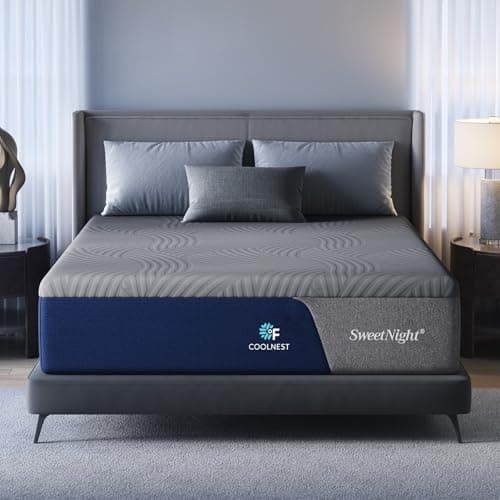 Sweetnight CoolNest 14" Queen The deepest bed here, built softer where a shoulder lands and firmer under the hips, with a cool-touch surface on top. If the zones line up with your body, this is the most shoulder-specific design on the page. Best for: Deepest zoned cradle | Deepest zoned cradle | $469.99 · View on Amazon Price as of September 12, 2026. #ad — we earn a commission. |
| 3 | 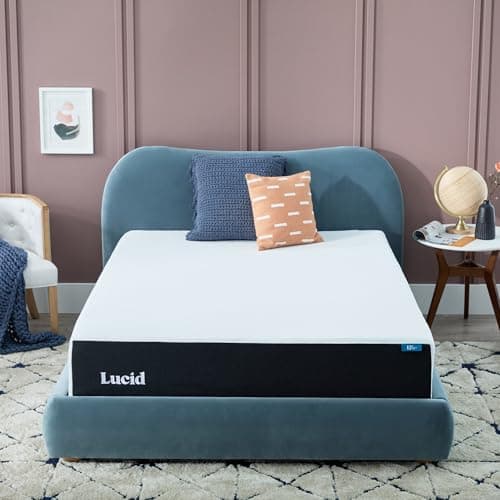 Lucid 12" Plush Gel Memory Foam The softest cradle here at the lowest sensible price. If you're a lighter side sleeper and medium-firm has always felt like a plank under your shoulder, plush is the fix and this is the cheap way to get it. Best for: Best plush budget | Best plush budget | $449.99 · View on Amazon Price as of September 12, 2026. #ad — we earn a commission. |
| 4 | Nectar Ultra 15" Hybrid Queen A deep foam cradle over a coil core — the closest thing here to sinking a shoulder in without letting the rest of you drop too far. The pick if you're heavier, run hot, or move a lot at night. Best for: Plush cradle with a coil floor | Plush cradle with a coil floor | Check price on Amazon → #ad — we earn a commission. |
| 5 | 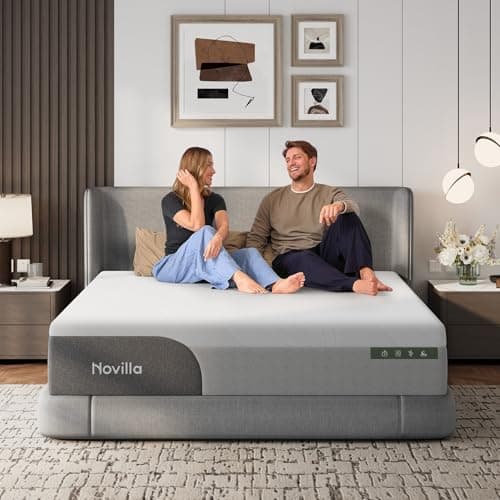 Novilla Bliss 14" Gel-Infused Memory Foam Fourteen inches of contouring foam for mid-budget money. You're buying the depth a shoulder needs and little else — the catch is the listing won't tell you how firm it is. Best for: Depth on a budget | Depth on a budget | $379.99 · View on Amazon Price as of September 12, 2026. #ad — we earn a commission. |
| 6 | 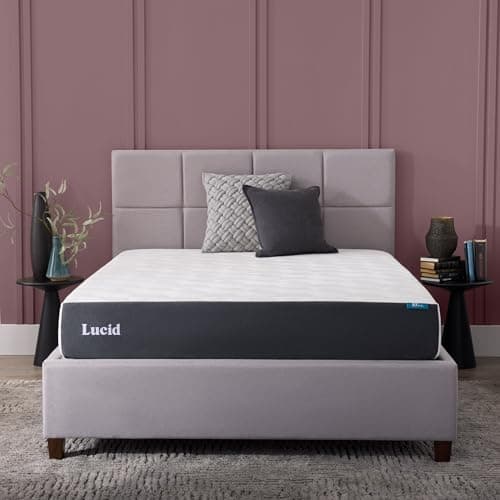 Lucid 10" Plush Gel Memory Foam The cheapest way here to get a plush surface under a shoulder. Plush is the right end of the scale, but at 10 inches the cradle is the shallowest on the page — and honesty means saying so. Best for: Cheapest plush | Cheapest plush | $349.99 · View on Amazon Price as of September 12, 2026. #ad — we earn a commission. |
What this page is, and what it isn't
The same disclaimer I open every page like this with, because it matters more here than most. This is not medical content. I'm not a doctor, there's no medical advisor behind this site, and I'm not going to tell you that a mattress treats, relieves or cures shoulder pain — including the ache that sent you to the search box.
What a mattress does is decide how your weight is spread out for eight hours a night. A good one for a sore shoulder lets the shoulder settle into the surface so your weight lands over a wide area instead of concentrating on one bony point, and it keeps your neck and spine level while it does. That's a question about pressure and geometry, and it's one I can answer honestly from published construction. Whether it has anything to do with why your shoulder hurts is not something a website can know. If your pain is persistent, worsening, or spreading down the arm, that is a question for a doctor rather than a shopping page — this one included.
With that said: every judgment below is about pressure relief and alignment. Nothing else.
Shoulder pain is a pressure problem, and it's the mirror of back pain
Here is the single idea that organizes this whole page, and it's the thing most mattress advice gets exactly backwards. If you've read that a firm bed is the responsible choice for aches and pains, that advice is about the lower back — and for the shoulder it's wrong. The two problems point in opposite directions.
Our back-pain page makes the case that lower-back pain is usually a supportproblem: a back sleeper needs the midsection held up so the spine doesn't dip, which argues for a firmer, coil-backed bed. Shoulder pain is almost the reverse. It's overwhelmingly a side sleeper's complaint, and when you lie on your side the shoulder becomes the widest, most forward, boniest point of you, pressing a big share of your upper-body weight into a small patch of joint. That point needs to sink intothe surface — the opposite of being held up. On a firm bed it can't, so all that weight bears down on one small area and the joint aches by morning; worse, a shoulder that can't descend props your whole torso up and tips your neck out of line with your spine. The fix isn't more support under the shoulder. It's a surface soft enough, and deep enough, to let the shoulder disappear into it.
So the beds that top this page are the ones the back-pain page treats as compromises: deep memory foam and a plush hybrid. This is the same argument, and very nearly the same list, as our hip-pain page— the hip and the shoulder are the two points a side sleeper's body juts out on, and they both want to sink in. If you've got both a bad back and a sore shoulder you're hunting for the narrow overlap — a supportive core with a genuinely deep, soft comfort layer on top — and our firmness guide is the place to work out where your own body lands between the two.
The trap: too firm crushes the shoulder, too soft twists the spine
"Softer is better for the shoulder" is the right instinct and a dangerous one to follow all the way off a cliff. Shoulder pain sits between two failures, and it's easy to escape one by falling straight into the other.
- Too firm.The shoulder can't sink in, so your upper-body weight concentrates on the point of the joint. You wake on your side with a sore, almost bruised feeling right on the shoulder, and the arm underneath can go numb or start tingling as the pressure cuts off circulation through the night. This is the failure a firm bed causes and the one most people are trying to fix — and it's the reason "buy a firm mattress for your aches" is the single most common wrong turn a side sleeper can make.
- Too soft. The shoulder settles in nicely, but on a bed with no floor under the softness a heavier body keeps going — the hip, the heaviest part of you, drops further than the shoulder and waist, and now your spine is bent into a sag and the shoulder joint is held at a twist for hours. You escaped the pressure spike and landed in an alignment problem.
The target is between them: a surface that yields easily so the shoulder settles in, over a core that catches the rest of you before it drops below level. A deep memory foam comfort layer does the cradle; on a hybrid, the coils underneath do the catching. Which side of the line you want depends on your weight — a lighter sleeper can go plusher before the body drops too far, a heavier sleeper needs more support beneath the give. That's why the plush budget foam on this page carries a "skip this if you're heavier" note, and the deep, coil-backed beds don't. The same geometry governs mattresses for side sleepers generally, because a sore shoulder is so often just the sharp end of the side-sleeping problem — if your hip aches too, that page covers the pair of them together.
How to buy one: what actually decides it, in order
Once you've accepted that a sore shoulder wants to sink, not be held up, the listing sorts itself. Four things decide almost everything here, and the marketing around them barely matters.
- A deep comfort layer.This is the whole game. Your shoulder has to travel some distance into the bed before your waist and the rest of you reach the surface — call it two to four inches for most people — and only the comfort layer can provide that travel, because the support core is built not to yield. A thin comfort layer bottoms out: the shoulder pushes through the soft top and lands on the hard core, and now you've got a firm bed with a soft blanket on it. This is exactly why the 13- and 14-inch beds sit at the top of this page and the 10-inch plush carries a note that its cradle is shallower. Depth isn't luxury here. It's clearance.
- Medium to medium-soft, not firm.Match the surface to the research, not the folklore. Firmness is a manufacturer's word with no standards body behind it, but the honest target for a shoulder is soft enough to admit it: Sleep Foundation puts most side sleepers in the medium to medium-soft range, not the firm end. Buying firm "because it's better for your aches" is the classic wrong turn described above. Your weight moves the line — under about 130 lb a "medium firm" bed can behave like a plank, which is why there's a plush pick here for lighter sleepers.
- Foam contours; a hybrid catches.Memory foam molds around a shape more completely than any other material, closing the gap around the shoulder and spreading the load — for pure pressure relief on a bony point, nothing beats it, which is why deep foam leads the page. What foam can't do is stop a heavier body from sinking past level or move air, and that's where a plush hybrid earns its place: the coil core catches you and keeps you level, and air moving through the springs keeps the deep comfort layer from cooking you. Heavier, hotter, or a restless partner? The hybrid is the safer version of the same idea.
- Airflow, if you sleep hot.A deep foam cradle is the best thing for a shoulder and the warmest construction there is — foam insulates, and a "cooling" foam bed is only cool on contact before it equalizes with your body. If waking up hot is part of your story too, our cooling page explains why a coil core is the only real fix, and it points to the same Ultra Hybrid that solves the heavier-sleeper problem.
Put those together and the picks line up. Want the safest deep foam cradle with a year to change your mind? The Nectar Premier. The deepest bed, zoned softer where a shoulder lands? The Sweetnight. A lighter body that needs genuinely plush? The Lucid 12-inch. Heavier, hot, or restless? The Premier Hybrid. Depth for mid-budget money, firmness unknown? The Novilla. The cheapest plush surface, with an honest note on its shallow cradle? The Lucid 10-inch.
The pillow is half the job, and it's the half people skip
You can buy the perfect mattress for your shoulder and still wake up with a stiff, sore neck, because the mattress is only doing half the work. Your mattress decides how far your shoulder sinks. Your pillow has to fill every inch of what's left between the mattress surface and your ear — and on your side, that gap is roughly the width of your shoulder, which is far taller than the gap when you're on your back.
Keep a pillow sized for back sleeping and your head drops toward the mattress, bending your cervical spine sideways all night and undoing the alignment the new bed just bought you. The two products are a system: a softer mattress sinks your shoulder further and therefore needs a lower pillow, and a firmer one needs a taller one. If you change one, re-check the other. Our pillows for side sleepers page covers loft heights, which is the spec that matters there — and for a shoulder that already aches, getting the pillow wrong can undo the whole purchase.
What I can't measure
The honesty this site runs on: I haven't slept on all six of these, I don't run a test lab, and I own no pressure mat to map how much load comes off a shoulder or a durometer to verify a firmness. So I can't hand you a pressure-map image or a measured firmness number, and where a spec above says "as listed," that means it's the seller's claim repeated, not confirmed. Pressure relief is also deeply personal — it depends on your exact weight, your shoulder-to-hip ratio and how far you actually roll onto your side — so even a real measurement taken on someone else's body wouldn't transfer cleanly to yours. Anyone handing you precise shoulder-pain scores for a stack of mattresses bought online is inventing them.
What I can do is reason from construction, and for a shoulder the construction tells you most of what matters. A bony point needs a surface that yields; memory foam yields more completely than anything else; depth is what stops it bottoming out; and a coil core is what catches a heavier body before soft turns into sag. That's geometry, not a reading I took off a machine — and it's more honest than a number I'd have to fabricate. Every card above pairs that reasoning with a plain statement of who the bed is wrong for, and it's why the beds with the longest trials sit near the top: a year to feel it out on your own shoulder is worth more than any spec I could quote.
And the honest close, on a page that earns a commission when you buy: the rate is effectively the same across every mattress here, so there's nothing I make more by steering you toward — which is why the first move I suggest is often the cheapest one. If your current mattress is structurally sound and simply too firm for your shoulder, a two-to-four-inch memory foam topper adds the give a shoulder needs for a fraction of the cost of a new bed. Try that first. If the bed is sagging, or the pain persists whatever you sleep on, the next step isn't another mattress — it's a doctor, because no mattress at any price treats a shoulder, and a shopping page is the wrong place to pretend otherwise.
The picks, in full
1. Best for Best overall (deep pressure relief)
Nectar Premier 13" Queen
Thirteen inches of memory foam gives a shoulder somewhere to disappear into, and a year to send it back if it doesn't suit you. The default pick for a side sleeper whose shoulder aches by morning.
Key specs
- 13" all-foam
- Medium firm (as listed)
- Contouring memory foam
- Phase-change cooling layer (manufacturer)
- 365-night trial
- Forever warranty (as listed)
What's good
- Shoulder pain on your side comes down to whether the boniest, most forward point of you can sink in far enough that your spine stays level — and a deep memory foam comfort layer is the material that does that best, because it molds around the shoulder instead of pushing back against it
- At 13 inches it's one of the deepest all-foam beds you can buy on Amazon, which is the spec that matters most here: a thin comfort layer bottoms out under a shoulder and you feel the hard core through it, and depth is the thing that stops that happening
- A 365-night trial is the longest safety net on this page, and it counts for more here than anywhere, because whether a bed reads as pressure-relieving for your shoulder depends on your weight and shoulder width in ways no listing can tell you
What's not
- "Medium firm" as listed leans firmer than a very light side sleeper may want — under about 130 lb you might perch on top of it rather than sink in, and the plusher Lucid below would cradle a light shoulder more readily
- It's all-foam, so it insulates and runs warmer than a hybrid; if you also sleep hot, weigh the Ultra Hybrid below or read the cooling page before you commit
- Thirteen inches of foam is heavy and awkward to move, and it needs a supportive slatted or solid base or the contouring works against you
Skip this one if
You share the bed and your shoulder pain is bad enough that you turn over all night. All-foam is the right cradle for pressure, but if you also need to move without waking a partner, a coil bed reads differently — weigh the Nectar Ultra Hybrid below instead.
2. Best for Deepest zoned cradle
Sweetnight CoolNest 14" Queen
The deepest bed here, built softer where a shoulder lands and firmer under the hips, with a cool-touch surface on top. If the zones line up with your body, this is the most shoulder-specific design on the page.
Price as of September 12, 2026. #ad — we earn a commission.
Key specs
- 14" all-foam
- Medium (as listed)
- Cooling memory foam
- 5-zone ergonomic support (as listed)
- CertiPUR-US certified
What's good
- Zoning is the design that speaks most directly to a sore shoulder: the foam is built softer exactly where a shoulder presses in and firmer under the heavier hips, instead of asking one uniform layer to cradle a shoulder and support a pelvis at the same time
- At 14 inches it's the deepest build on this page, and depth is what gives a shoulder room to travel before it bottoms out onto the firm core beneath — more foam above the floor means more clearance for the joint to settle
- It reads as medium rather than medium firm (as listed), which is the softer and generally better side of the line for a shoulder that needs to sink, and the cool-touch surface takes the edge off the heat that comes with a deep foam cradle
What's not
- Zones are placed for an assumed body length the listing doesn't state, so if you're notably short or tall your shoulder can land in the wrong zone and the design works against you
- The cooling is a surface effect — it feels cool getting in, then equalizes with your body and it's just deep foam; for all-night airflow you need coils, which is the honest version spelled out on our cooling page
- No trial length is stated on the listing, on the one page where a few nights is the only real way to know whether the cradle actually suits your shoulder
Skip this one if
You're much shorter or taller than average. Zoned foam is a guess about where your shoulder will land, and a wrong guess is worse than no guess — an unzoned bed like the Nectar Premier can't be misaligned with a body it never modeled.
3. Best for Best plush budget
Lucid 12" Plush Gel Memory Foam
The softest cradle here at the lowest sensible price. If you're a lighter side sleeper and medium-firm has always felt like a plank under your shoulder, plush is the fix and this is the cheap way to get it.
Price as of September 12, 2026. #ad — we earn a commission.
Key specs
- 12" all-foam
- Plush (as listed)
- Gel memory foam
- Bamboo charcoal infused
- Fiberglass-free (as listed)
- CertiPUR-US certified
What's good
- Plush as listed is the feel a lighter side sleeper with a sore shoulder actually wants — a surface that yields fast lets the shoulder settle in rather than perching on top, which is exactly where pressure builds
- Lucid sells this same build in plush, medium and firm, so you can choose the softest version outright instead of hoping a "medium firm" bed reads soft enough for your shoulder
- Fiberglass-free and CertiPUR-US certified are both stated on the listing — the two reassurances worth having at the budget end, where neither is a given
What's not
- Plush cuts both ways: over about 200 lb your shoulder — and more to the point your hip — can sink past level and the spine twists into a slight hammock, the same misalignment plush is meant to prevent, arriving from the other direction
- At 12 inches the comfort layer is shallower than the 13- and 14-inch beds, so there's less room before a shoulder reaches the firmer foam beneath
- The bamboo charcoal infusion is an odor claim, not a performance one — treat this as a plush foam bed and nothing cooler
Skip this one if
You're a heavier side sleeper. A plush budget foam lets a heavier shoulder and hip drop too far, which swaps a pressure problem for an alignment one — the coil-backed Nectar Ultra Hybrid below holds you more level.
4. Best for Plush cradle with a coil floor
Nectar Ultra 15" Hybrid Queen
A deep foam cradle over a coil core — the closest thing here to sinking a shoulder in without letting the rest of you drop too far. The pick if you're heavier, run hot, or move a lot at night.
#ad — we earn a commission.
Key specs
- 15" hybrid
- Medium firm (as listed)
- Memory foam over individually-wrapped coils
- Cooling upgrade (as listed)
- 365-night trial
- Forever warranty (Nectar's published term)
What's good
- This is the build that resolves the whole shoulder dilemma: the thick foam top lets the shoulder sink in for pressure relief, while the coil core underneath catches a heavier body before it drops far enough to twist the spine — two jobs, two layers
- The coils keep air moving through the middle of the bed, so it runs cooler than the all-foam picks and is the more comfortable choice if a sore shoulder and sleeping hot are both part of your night
- A 365-night trial on the listing and the forever warranty Nectar publishes for the Ultra are the strongest terms on the page - both are the maker's own commitments, not our characterization
What's not
- Coils carry a partner's movement across the bed more than solid foam does, so a restless bedmate is felt more here than on the all-foam Nectar
- It's the priciest pick on the page, and the depth plus the coil core are what you're paying for
- "Medium firm" as listed leans firmer than the plush foam beds, so a very light sleeper who wants a deep, soft cradle may find the coils assert themselves sooner than they'd like
Skip this one if
You sleep alone, you're on the lighter side, and cooling isn't your problem. The coil core mainly buys you a floor under a heavier body and better airflow — if neither is your issue, a plain memory foam Nectar cradles a shoulder just as well for less.
5. Best for Depth on a budget
Novilla Bliss 14" Gel-Infused Memory Foam
Fourteen inches of contouring foam for mid-budget money. You're buying the depth a shoulder needs and little else — the catch is the listing won't tell you how firm it is.
Price as of September 12, 2026. #ad — we earn a commission.
Key specs
- 14" all-foam
- Gel-infused memory foam
- Cool-touch nylon cover (as listed)
- CertiPUR-US certified
What's good
- 14 inches at this price is unusual, and depth is the one spec that reliably helps a sore shoulder — there's simply more room for the joint to travel before the core stops it
- A cool-touch nylon cover is a real surface effect: nylon pulls heat off the skin faster than cotton or polyester at first contact, which takes the edge off a deep foam cradle's warmth
- Gel-infused memory foam and a CertiPUR-US certification are both stated on the listing rather than implied
What's not
- The listing states no firmness at all — and on the one page where softness decides whether a shoulder sinks or perches, that's a real omission you should treat as an unknown
- Novilla is an Amazon-native brand with no showroom and no long trading history behind the warranty
- Cool-touch covers work at first contact and then equalize with your body; under 14 inches of foam that effect is a rounding error
Skip this one if
You need to know what you're buying before it arrives. This listing won't tell you how firm it is, and firmness is the single variable that decides whether a shoulder settles in level — if you can't guess, take a bed with a year-long trial like the Nectar Premier instead.
6. Best for Cheapest plush
Lucid 10" Plush Gel Memory Foam
The cheapest way here to get a plush surface under a shoulder. Plush is the right end of the scale, but at 10 inches the cradle is the shallowest on the page — and honesty means saying so.
Price as of September 12, 2026. #ad — we earn a commission.
Key specs
- 10" all-foam
- Plush (as listed)
- Gel and bamboo charcoal infused
- Fiberglass free (as listed)
- CertiPUR-US certified (as listed)
What's good
- Plush as listed is the correct feel for a shoulder that needs to sink, and this is about the least you can spend to get it from a brand with a real track record rather than an anonymous listing
- Lucid sells this line in plush, medium and firm, so you can pick the soft version outright instead of taking whatever single firmness a budget bed happens to ship
- Fiberglass free and CertiPUR-US are both stated on the listing — worth having, and neither is standard at this price
What's not
- At 10 inches it's the thinnest bed here, so even the plush surface has a shallow cradle — a shoulder can reach the firmer core sooner than on the 13- and 14-inch picks, which is the opposite of what a sore shoulder wants
- Plush gives way sooner under heavier loads too, so the property that helps a lighter shoulder lets a heavier body's hips drop past the point of alignment
- The bamboo charcoal infusion is an odor claim, not a cooling one, and budget foam softens sooner than premium foam
Skip this one if
Your shoulder pain is the whole reason you're shopping, or you weigh much over 200 lb. When the shoulder is the point, the extra depth of the 13- and 14-inch beds is worth the money — a 10-inch cradle is a false economy here; take the Nectar Premier or the Sweetnight.
Common questions
What firmness is best for shoulder pain?
For most people it's medium to medium-soft, which is close to the opposite of the firm advice you'll hear for a bad back. Shoulder pain is usually a side sleeper's problem, and on your side the shoulder is a bony point pressing a lot of your upper-body weight into a small area. On a firm surface that point can't sink in, so pressure concentrates right on it — and a shoulder that can't descend also props your whole torso up, tilting your neck and spine out of line. A medium or medium-soft surface with a deep comfort layer lets the shoulder settle in until your weight spreads over a wider area and your spine stays level. The catch is that too soft fails the other way — a heavier body sinks past level and the spine twists — so the target is a bed that gives easily at the surface but still has a floor under it. This is about pressure and alignment, not treatment; if your shoulder hurts persistently, that's a question for a doctor.
Is memory foam or a hybrid better for shoulder pain?
Both can work, and the deciding factor is your weight and whether you share the bed. Memory foam is the better pure cradle: it molds around the shoulder more completely than anything else, which is why it leads this page for pressure relief. A plush hybrid does nearly as well at the surface and adds a coil core that stops a heavier body from sinking past level, plus it runs cooler because air moves through the springs. If you're lighter and sleep alone, deep memory foam is the simplest answer. If you're heavier, run hot, or move around at night, a plush hybrid is the safer pick. Neither treats anything — they just change how your weight is distributed while you sleep.
Why does my mattress hurt my shoulder?
Almost always one of two reasons, and they're opposites. Either the bed is too firm, so your shoulder can't sink in and your upper-body weight bears down on that one point all night — sometimes enough to leave the arm numb or tingling by morning as the pressure builds — or the bed is worn or too soft, so your shoulder and hip drop unevenly and your spine is held at a twist for hours. A firm bed you've had for years can do both at once as it sags. The fix depends on which it is: if you wake perched and sore right on the shoulder, you need more give; if you feel like you're lying in a dip, you need more support underneath. A deep comfort layer over a supportive core covers both. If a new bed doesn't help and the pain persists, see a doctor rather than buying another mattress.
Does a side sleeper with shoulder pain need a special pillow too?
Yes, and it's half the job. The mattress decides how far your shoulder sinks; the pillow has to fill everything left between the mattress and your ear. On your side that gap is roughly the width of your shoulder — far taller than it is on your back — so a pillow sized for back sleeping lets your head drop and bends your neck sideways all night, undoing the alignment a good mattress just bought you. The two are a system: a softer bed sinks your shoulder further and needs a lower pillow, a firmer one needs a taller one. If you change your mattress, re-check your pillow. Our pillows-for-side-sleepers page covers loft height, which is the spec that matters there.
Do you earn a commission on these mattresses?
Yes — I earn an Amazon commission if you buy through the links on this page, and that's what funds the site. It doesn't change the ranking: the rate is effectively the same across every mattress here, so there's nothing I make more by steering you toward, and the honest first move is often the cheapest one. If your current mattress is structurally sound and simply too firm for your shoulder, a two-to-four-inch memory foam topper adds the give a shoulder needs for a fraction of the cost of a new bed — try that before you replace anything. And if the bed is sagging, or the pain persists whatever you sleep on, the next step isn't another mattress, it's a doctor.
Sources
Where the facts on this page come from. We cite other people's testing because we don't do our own — here's what that means.
Read next
- The Best Mattresses for Side SleepersSix mattresses with comfort layers deep enough to let a shoulder and hip sink — the actual problem side sleepers are trying to solve.
- The Best Mattresses for Hip PainSix mattresses judged on pressure relief and alignment for side sleepers — led by memory foam and plush hybrids, because the hip needs to sink in, not be held out.
- The Best Mattresses for Lower Back PainSix mattresses judged purely on support and spinal alignment — and why medium-firm, not firm, is where the evidence points.
- The Best Pillows for Side SleepersSix pillows tall and firm enough to fill a side sleeper's shoulder gap without collapsing into it by midnight.
- Mattress Firmness: The 1-10 Scale, HonestlyWhat the 1-10 firmness scale actually means, why one brand's 6 is another's 7, and how your bodyweight changes the answer.
- The Best Cooling Mattresses for Hot SleepersSix mattresses that actually sleep cooler, led by hybrids because a coil core is the only cooling feature that doesn't saturate by midnight — with honest cons on every pick.