The Best Firm Mattresses
Firmness isn't a virtue and it isn't a fixed number — a medium-firm bed reads firmer to a lighter body, and most boxed beds never get truly firm at all. Six genuinely firm picks, and an honest note on who should skip each.
We earn a commission if you buy through our links. It doesn't affect our picks — and we never take free products. How this site is funded.
Quick picks
| # | Product | Best for | Price |
|---|---|---|---|
| 1 | 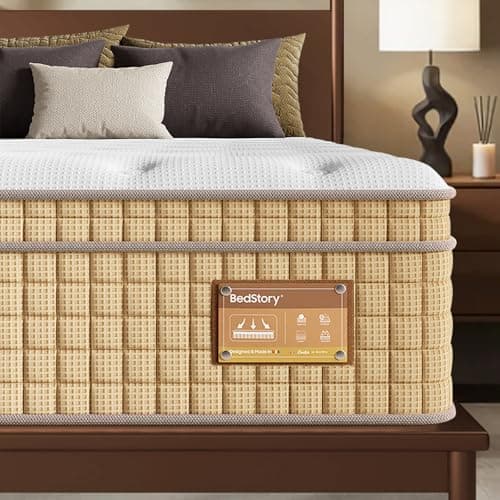 BedStory 14" Firm Hybrid A hybrid whose listing actually says firm, wrapped in the longest trial and warranty on this page. When you want a genuinely firm bed and a real way out if it isn't, start here. Best for: Best overall firm | Best overall firm | $399.99 · View on Amazon Price as of September 10, 2026. #ad — we earn a commission. |
| 2 | 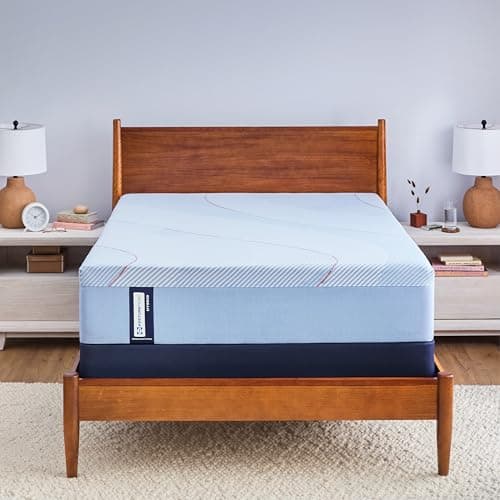 Sealy Posturepedic Fayette 12" Firm Hybrid The other bed here whose listing says firm plainly, from a brand that's been making mattresses for over a century. The safe firm pick when you want a real name behind the return. Best for: Best brand-name firm | Best brand-name firm | $1,436.35 · View on Amazon Price as of September 10, 2026. #ad — we earn a commission. |
| 3 | 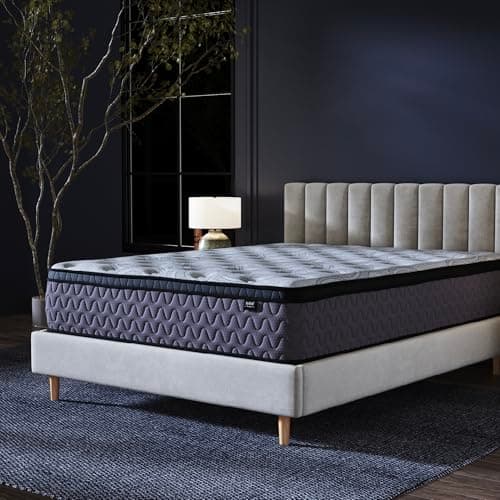 Signature Design by Ashley 12" Medium Firm Hybrid A medium-firm hybrid that puts coils under you for a fraction of the Sealy. The value way to get coil-backed support that reads firm-ish without the firm-bed price. Best for: Firm hybrid value | Firm hybrid value | |
| 4 | 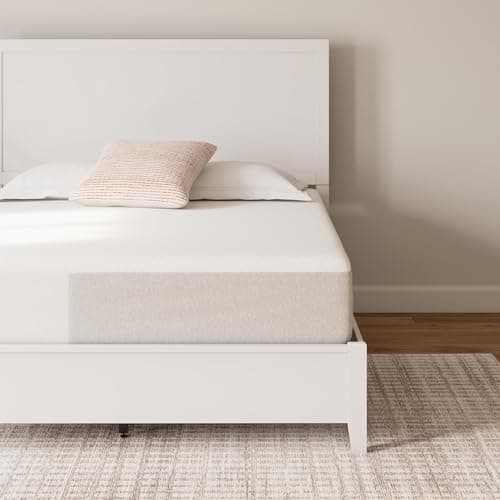 Signature Design by Ashley Chime 12" Memory Foam The one foam bed here whose own listing separates comfort from support — medium firm on top, firm underneath. The pick if you want firm but won't leave memory foam. Best for: Firm memory foam | Firm memory foam | $298.00 · View on Amazon Price as of September 10, 2026. #ad — we earn a commission. |
| 5 | 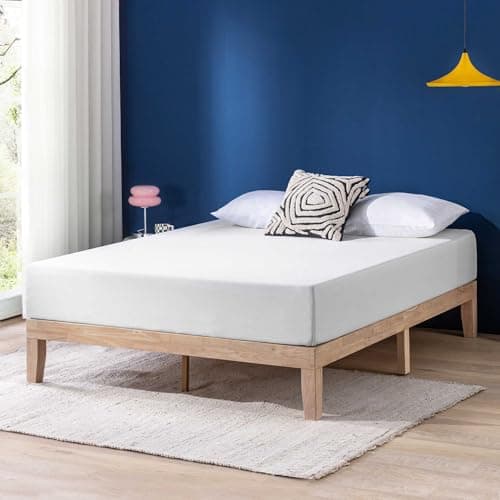 Best Price Mattress 10" Medium Firm A medium-firm 10-inch foam bed at the bottom of the market. The right feel for a firm preference, basic in every other way, as advertised. Best for: Best budget firm | Best budget firm | Check price on Amazon → #ad — we earn a commission. |
| 6 | 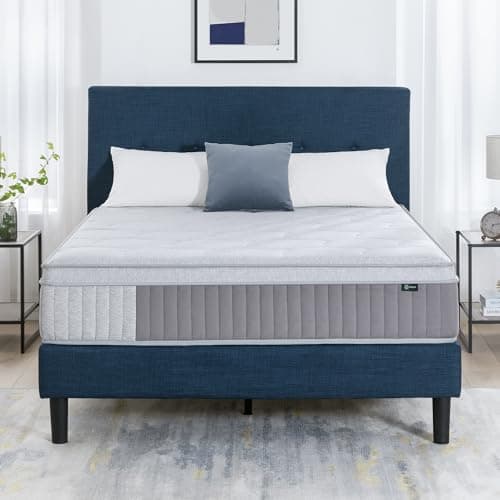 Zinus 12" Cool Support Hybrid A medium-firm hybrid built around airflow. The pick if your firm preference comes with a heat problem that foam won't fix. Best for: Firm-ish cooling value | Firm-ish cooling value | Check price on Amazon → #ad — we earn a commission. |
"Firm" is a rarer thing than the label promises
Here is the honest starting point, and it's not the one the listings want you to reach: a genuinely firm mattress is harder to find than the word "firm" makes it look. Firmness is not a regulated term. No standards body defines it, nobody audits the number on the box, and any seller can print "firm" on any bed made of anything. Walk through the boxed-mattress market with that in mind and a pattern appears fast — the overwhelming majority of beds sold online, whatever the marketing says, land somewhere around medium to medium-firm. The truly firm ones are the exception, and they tend to be the pricier, coil-core builds.
The reason is commercial, not physical. A boxed-bed company is trying to please the widest possible buyer with a single product it can ship compressed in a carton, and medium-firm is the feel that offends the fewest people: soft enough that a side sleeper can tolerate a night on it, firm enough that a back sleeper doesn't sink. Build it firmer and you lose the side sleepers; build it softer and the back sleepers complain. So the middle is where the volume is, and "firm" on a lot of listings really means "the firm end of medium." It's telling that on this very page, of six beds, only two — the BedStory and the Sealy — carry the word "firm" on the listing itself. The rest are medium-firm, and we've labeled them as exactly that rather than let a marketing word do the lying.
None of that means the medium-firm beds are wrong for you. For most people chasing a firm feel, medium-firm is the practical target and the widely-available one. But you should buy it knowing what it is. If you want the genuine article — a surface that pushes back hard and barely gives — read the listing for the actual word "firm," favor a hybrid over all-foam, and expect to pay a little more for the beds that mean it. The full story of why the 1-to-10 firmness scale has no authority behind it is in our mattress firmness guide, and it's worth ten minutes before you spend real money on a single word.
Firmness is relative to your body, not a number on a box
The second thing the label hides is that firmness isn't a fixed property of the mattress at all. It's a relationship between the bed and the load pressing on it. Foam and coils both compress in proportion to the weight applied, which means the identical mattress feels different to two different people — and the difference is not small.
A medium-firm bed reads noticeably firmer to a lighter person, because they don't press far into it before it resists. The same bed reads softer to a heavier person, who sinks further into the same surface before meeting the same resistance. This is why two honest reviewers can lie on one mattress and disagree completely, and neither is wrong. It's also why your body weight, not the printed label, is the number that should drive the choice.
- Under about 150 lb:you compress a bed less, so a medium-firm bed already reads as firm to you, and a genuinely firm one can feel like a board. The all-foam medium-firm picks here — the Ashley Chime 12", the Best Price 10" — are aimed at you.
- Roughly 150-230 lb:the middle, where the label roughly matches the feel. A medium-firm hybrid like the Ashley 12" Hybrid or the Zinus keeps you supported without going harsh.
- Over about 230 lb: you compress a medium-firm foam bed until it reads soft, and the hips-drop feeling that follows is exactly what you were trying to avoid. You want a genuine firm on a coil core — the BedStory or the Sealy — and heavier bodies have their own set of considerations in our best-for-heavy-people roundup.
The practical takeaway is simple: don't buy a firmness word, buy a firmness relative to your weight. A lighter person and a heavier person shopping for the "same" firm feel should end up on two different beds.
Who a firm bed is actually for — and who it quietly hurts
Firm is not a virtue. It's a tool that fits some bodies and positions and works against others, and the honest job of this page is to tell you which group you're in before you spend the money.
Firm is right for you if you're a back sleeper who wants the lumbar supported rather than swallowed, a stomach sleeperwhose hips must stay level so the lower back doesn't arch — that position gets its own detailed treatment on our stomach-sleeper page — a heavier body that compresses softer beds until they bottom out, or simply someone who hates the sinking feeling and wants to sleep on top of a mattress rather than down inside it. That last one is a genuine preference, not a mistake, and it's reason enough on its own to shop firm.
Firm is wrong for you if you're a lighter side sleeper, and this is the group most likely to buy a firm bed and regret it. On your side, your shoulder and hip are narrow points carrying your entire weight, and they need to sink into the surface so your spine can run straight. A firm bed refuses to let them, so pressure piles up at exactly those points and the spine bends sideways at the shoulder and hip — the recipe for a numb arm and a sore shoulder at 3am. A heavier side sleeper can sometimes carry a medium-firm bed because they compress it more, but a lighter one on a firm surface is fighting the mattress all night.
And here is the honesty beat most firm-mattress pages skip: firm is not automatically better for your back. The belief that a hard bed is the responsible, back-healthy choice is decades of marketing more than physiology. What your back actually wants is a neutral spine, and for most people a medium-firm bed delivers that better than a rock-hard one — Sleep Foundation generally steers back-pain sufferers toward medium-firm rather than the firmest option available, because a too-hard surface leaves gaps under the lumbar curve and loads the shoulders and hips instead. We take that argument apart in full on our back-pain page. Buy firm because your position, weight, or preference calls for it — not because you've been told firm is good for everyone, because it isn't.
What we can't tell you
We haven't slept on any of these beds, and there's no test lab behind this site. We don't own a firmness gauge, we haven't put a load cell on any of these mattresses, and if you find a review handing you a precise firmness score for a bed someone bought on Amazon last week, be suspicious of where that number came from. Firmness is one of the hardest things to measure honestly even with equipment, because — as the whole middle of this page argues — it changes with the body lying on it.
What we can do, and all we claim to do, is read the published firmness and construction, apply what's true about how coils and foam behave under load, and tell you which bed is wrong for which sleeper. Coils resist a heavy load longer than foam; a shallow comfort layer sinks less than a deep one; an all-foam bed softens faster than a hybrid — those aren't measurements we took, they're how the materials work. That's why every pick here carries a plain "skip this one if," and why we'd rather point you at a different bed than oversell the one in front of you. The full method, including what we refuse to claim, is on how we review. And if firmness is only one of several things you need a bed to do, read the best mattresses on Amazon too — a bed with more than one job deserves judging on more than one axis.
The picks, in full
1. Best for Best overall firm
BedStory 14" Firm Hybrid
A hybrid whose listing actually says firm, wrapped in the longest trial and warranty on this page. When you want a genuinely firm bed and a real way out if it isn't, start here.
Price as of September 10, 2026. #ad — we earn a commission.
Key specs
- 14" hybrid
- Firm feel (as listed)
- Zoned lumbar support (as listed)
- CertiPUR-US (as listed)
- 365-night trial, 10-yr warranty (as listed)
What's good
- The listing states "Firm" outright, not medium firm — and on a 14-inch hybrid that means a coil core doing the pushing back, which is the construction that stays firm under a heavier body instead of compressing into medium
- A 365-night trial and 10-year warranty (as listed) are the longest terms here, and a trial matters more on a firm bed than on any other kind, because firm is the feel people most often misjudge until they've slept a week on it
- Zoned lumbar support (as listed) puts the firmest part of the bed under the heaviest part of you, which is the whole point of buying firm for back or stomach sleeping
What's not
- Fourteen inches of hybrid is a lot of bed to move, and it needs deep-pocket sheets a standard set won't reach
- "Firm" is still the seller's word, not a measured number — a very light sleeper may find it reads harder than they want, which is the flip side of a genuinely firm build
- Coils carry a partner's movement across the bed more than solid foam does, so a restless bedmate is felt more here
Skip this one if
You're a lighter side sleeper. A genuinely firm 14-inch hybrid gives a shoulder and hip nowhere to sink, so pressure piles up exactly where you don't want it — step down to a medium-firm bed below, or shop for softness instead.
2. Best for Best brand-name firm
Sealy Posturepedic Fayette 12" Firm Hybrid
The other bed here whose listing says firm plainly, from a brand that's been making mattresses for over a century. The safe firm pick when you want a real name behind the return.
Price as of September 10, 2026. #ad — we earn a commission.
Key specs
- 12" hybrid
- Firm tight-top (as listed)
- Posturepedic support (as listed)
- Sealy (established brand)
- Queen
What's good
- The listing says "firm, tight top" (as listed) — a flat, unpillowed surface over a coil core, about as close to a traditional firm bed as the boxed market gets
- Posturepedic support (as listed) is Sealy's reinforced-center idea, built to keep the hips and lower back from dropping — exactly what a back or stomach sleeper buys firm for
- Sealy is a decades-old brand with a genuine returns operation, a real point of contact most Amazon-native mattress names can't offer
What's not
- The priciest bed on this page, and the tight top means very little give for a shoulder if you ever roll onto your side
- The listing shows a made-to-order dispatch window rather than a warehouse next-day box, so you wait for it
- A firm tight-top is unforgiving the moment your default position changes — it's built for one job and does it narrowly
Skip this one if
You share a bed and spend real time on your side. A firm tight-top gives a shoulder nowhere to go — the medium-firm Ashley Hybrid or Zinus below is the more forgiving middle ground.
3. Best for Firm hybrid value
Signature Design by Ashley 12" Medium Firm Hybrid
A medium-firm hybrid that puts coils under you for a fraction of the Sealy. The value way to get coil-backed support that reads firm-ish without the firm-bed price.
Key specs
- 12" hybrid innerspring
- Medium firm feel (as listed)
- Gel memory foam, deep support (as listed)
- Augusta2 series, bed in a box (as listed)
- Queen
What's good
- A coil core under a medium-firm comfort layer is the sensible-money version of firm support: the springs hold you up while a thin foam layer keeps it from feeling like a board
- The listing names gel memory foam over the coil unit (as listed), which is the combination that gives a firm-ish surface some give at the very top instead of a hard shelf
- Air moves through the coil layer, so it sleeps cooler than the all-foam firm options here — a real edge if firm and hot are both on your list
What's not
- "Medium firm" over coils can feel softer than the label once the top layer settles — this is firm-ish, not genuinely firm
- No trial length stated in the listing, which is the one number that most de-risks a firmness gamble
- Coils transmit a partner's movement in a way solid foam doesn't, so a restless bedmate is felt more here
Skip this one if
You specifically want the firmest surface money can buy and price isn't the deciding factor. Medium-firm yields more than the two "firm"-labeled beds above — for maximum push-back, pay up for the BedStory or the Sealy.
4. Best for Firm memory foam
Signature Design by Ashley Chime 12" Memory Foam
The one foam bed here whose own listing separates comfort from support — medium firm on top, firm underneath. The pick if you want firm but won't leave memory foam.
Price as of September 10, 2026. #ad — we earn a commission.
Key specs
- 12" memory foam
- "Medium Firm comfort and firm support" (as listed)
- Cooling knit cover over high-density gel foam (as listed)
- Compressed bed in a box (as listed)
- Queen
What's good
- The listing does something almost no foam listing does: it splits the claim into medium firm comfort and firm support (as listed), which is the honest way to describe a bed that gives a little at the surface and then stops
- High-density gel foam under a knit cover (as listed) is the construction that holds a firmer feel longest in an all-foam bed — density is what resists the early softening that ruins cheap foam
- It is a recognizable furniture name rather than a marketplace-only brand, so there is a company behind the return if the firmness turns out to be wrong for you
What's not
- All-foam insulates, so this runs warmer than any hybrid here — firm and cool don't coexist well in solid foam, and a cooling knit cover works at the surface only
- "Medium firm" is the label, not a measurement, and a heavier body compresses foam until it reads softer than the number
- At 12 inches this is a deeper foam build than the 10-inch beds it replaced in this slot, and more foam over the core means more room to sink before you meet resistance — buy it for the density, not for a shallow profile
Skip this one if
You weigh much over 230 lb. Foam compresses in proportion to load, so a heavier body sinks through medium-firm foam until it isn't firm anymore — you want a coil core pushing back, so take the BedStory or the Sealy.
5. Best for Best budget firm
Best Price Mattress 10" Medium Firm
A medium-firm 10-inch foam bed at the bottom of the market. The right feel for a firm preference, basic in every other way, as advertised.
#ad — we earn a commission.
Key specs
- 10" memory foam
- Medium firm (as listed)
- Cooling gel infused (as listed)
- Bed in a box
- Queen
What's good
- Medium firm and only 10 inches deep — the two specs a firm preference actually wants — at about the cheapest a real medium-firm bed gets
- Cooling gel infused (as listed) takes a little edge off the surface warmth every firm foam bed carries
- A shallow, firm foam layer resists sink better than the deep plush budget beds sold to the same shopper on price alone
What's not
- Budget all-foam softens fastest of any construction here, and a softening bed slowly drifts toward the too-soft surface a firm sleeper was avoiding
- "Cooling gel" on a solid slab is a first-contact effect — it still sleeps warm by the middle of the night
- No stated trial or warranty term, and the company behind the return is the thinnest on the page
Skip this one if
This is your main bed for the next decade. Budget foam fatigues into a dip where your weight lands — buy it for a guest room or a couple of years, and size up to the BedStory or Sealy for a bed you'll keep.
6. Best for Firm-ish cooling value
Zinus 12" Cool Support Hybrid
A medium-firm hybrid built around airflow. The pick if your firm preference comes with a heat problem that foam won't fix.
#ad — we earn a commission.
Key specs
- 12" hybrid
- Medium firm (as listed)
- Cooling foam over pocketed coils
- Bed in a box
- Queen
What's good
- A coil core is mostly open space, so air moves through the bed all night — the one cooling feature that doesn't saturate, and it's impossible in an all-foam firm bed at any price
- Medium firm on a coil support core reads firmer under load than the same label on foam, because the springs keep resisting after foam would have bottomed out
- Zinus is one of the most established Amazon-native mattress brands, with stable listings and a long trading history behind the warranty
What's not
- Medium firm rather than firm, so a heavier sleeper who wants maximum support may still prefer the Sealy or BedStory
- The "cooling" foam layer is a surface treatment; the coils do the real cooling work, and the marketing credits the wrong layer
- Coils carry motion across the bed more than the foam picks here, so a restless partner is felt more
Skip this one if
You sleep alone and cool and just want the firmest bed for the money. The coil-cooling upgrade is wasted on you — an all-foam medium-firm like the Ashley Chime 12-inch costs less and isolates motion better.
Common questions
Is a firm mattress better for your back?
Not automatically, and this is the myth worth dismantling. The belief that a hard bed is the back-healthy choice is decades of marketing more than physiology. What your back wants is a neutral spine — hips and shoulders supported so the lumbar curve is neither flattened nor arched — and for most sleepers a medium-firm bed delivers that better than a genuinely firm one. Sleep Foundation generally steers back-pain sufferers toward medium-firm rather than the firmest option, because a too-hard surface leaves gaps under the lumbar and dumps your weight onto the shoulders and hips. Firm is right for specific cases — stomach sleeping, heavier bodies, people who hate sinking — not as a blanket rule.
Who should sleep on a firm mattress?
Roughly four groups. Back sleepers who want the lumbar supported rather than swallowed. Stomach sleepers, whose hips must stay level so the lower back doesn't arch. Heavier bodies, which compress any surface further and need more push-back before they bottom out. And people who simply hate the feeling of sinking and want to sleep on top of a mattress rather than down inside it — a genuine preference, not a mistake. If you're a lighter side sleeper, firm is usually the wrong call. Our stomach-sleeper and heavy-people pages go deeper on the first groups.
Why is a genuinely firm mattress so hard to find?
Because medium-firm is what sells, so that's what gets built. Boxed-bed makers optimize for the widest possible buyer, and a medium-firm feel offends the fewest people — soft enough for a side sleeper to tolerate, firm enough for a back sleeper to accept. The result is that most beds labeled "firm" online are really medium-firm, and the handful with a genuine firm rating tend to be the pricier, coil-core builds. If you want truly firm, read the listing for the word "firm" rather than "medium firm," favor a hybrid over foam, and expect to pay a little more for the beds that mean it.
Are firm mattresses good for side sleepers?
Usually not, and lighter side sleepers least of all. On your side, your shoulder and hip are narrow contact points carrying your whole weight, and they need to sink into the bed so your spine can stay straight. A firm surface refuses to let them, so pressure builds at those points and the spine bends sideways at the shoulder and hip — the classic recipe for a numb arm and a sore shoulder. A heavier side sleeper can sometimes carry a medium-firm bed because they compress it more, but a lighter one on a firm bed is fighting the mattress all night. Side sleepers want the opposite of this page.
Do firm mattresses soften over time?
Yes, especially all-foam ones, and it's worth planning for. Every comfort layer breaks in — foam loses some of its initial resistance in the first months, and a budget foam bed softens fastest of all. That matters more when you bought the bed specifically for firmness, because the surface you chose is the one most likely to drift away from you. A coil core holds its support far longer than foam, which is one more reason the genuinely firm picks here lean on springs. A firm bed you plan to keep for a decade should be a hybrid, not a budget slab.
Sources
Where the facts on this page come from. We cite other people's testing because we don't do our own — here's what that means.
Read next
- The Best Soft MattressesSix soft mattresses led by the deep-cushion cradle that suits lighter people and side sleepers — with honest cons and who each is wrong for. A genuinely plush boxed bed is rarer than the label admits.
- The Best Medium-Firm MattressesSix medium-firm mattresses - the most widely-recommended feel - led by hybrids and foam that genuinely land in the middle, each with honest cons and a note on who it's wrong for. Why medium-firm is the safe default, and the two groups who should ignore it.
- The Best Mattresses for Stomach SleepersSix firm mattresses that keep a stomach sleeper's hips from sinking — the one thing that decides whether the position wrecks your lower back.
- The Best Mattresses for Lower Back PainSix mattresses judged purely on support and spinal alignment — and why medium-firm, not firm, is where the evidence points.
- The Best Mattresses for Heavy PeopleSix coil-based mattresses built to hold a heavier body up, with published specs and an honest note on who each one is wrong for.
- Mattress Firmness: The 1-10 Scale, HonestlyWhat the 1-10 firmness scale actually means, why one brand's 6 is another's 7, and how your bodyweight changes the answer.
- The Best Mattresses on AmazonSix Amazon mattresses worth your money, with live prices and an honest note on who each one is wrong for.