The Best Mattresses for Pregnancy
Pregnancy loads a mattress in a very particular way: months of side-sleeping, hips and shoulders that ache, a back under new strain, and a body that runs hot and gets up all night. Five mattresses that answer those specific needs - with a clear note on who each is wrong for, and where your provider comes first.
We earn a commission if you buy through our links. It doesn't affect our picks — and we never take free products. How this site is funded.
Quick picks
| # | Product | Best for | Price |
|---|---|---|---|
| 1 | 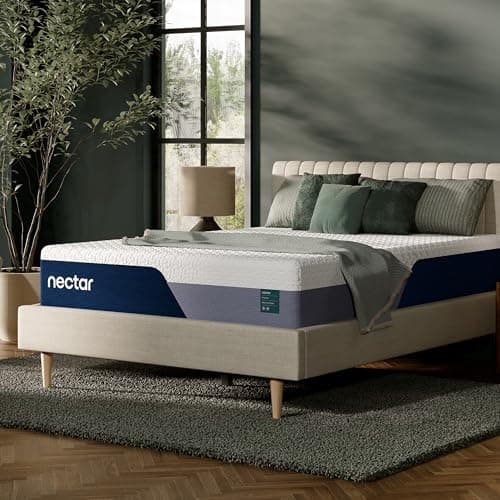 Nectar Premier 13" Memory Foam The default. Thirteen inches of contouring foam gives an aching hip and shoulder somewhere to sink during months of side-sleeping, and a full year to change your mind covers a body that keeps changing. Best for: Most pregnant sleepers | Most pregnant sleepers | |
| 2 | Nectar Ultra 15" Hybrid The same deep contouring build with a coil core - so it sleeps cooler for a pregnancy that runs hot, and the firmer edges make the countless nightly trips out of bed easier. Best for: Hot sleepers and getting in and out | Hot sleepers and getting in and out | Check price on Amazon → #ad — we earn a commission. |
| 3 | 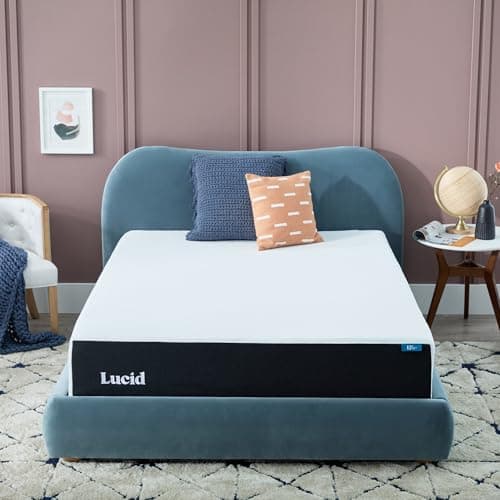 Lucid 12" Plush Gel Memory Foam The softer, budget-friendlier option for earlier pregnancy or a lighter frame, when a medium-firm bed can feel like a plank and a plush surface is what actually relieves the hip. Best for: Early pregnancy and lighter bodies | Early pregnancy and lighter bodies | $449.99 · View on Amazon Price as of September 12, 2026. #ad — we earn a commission. |
| 4 | 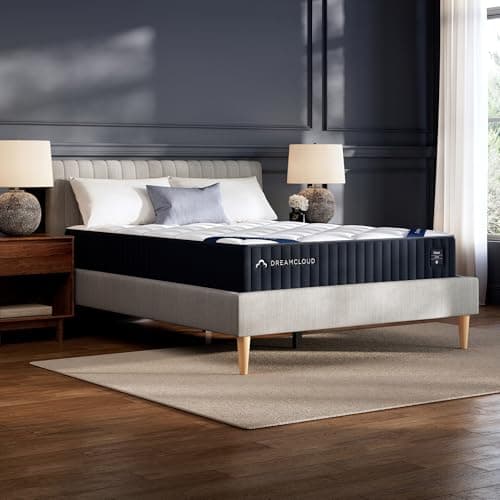 DreamCloud 12" Hybrid The supportive hybrid for the later months, when the extra weight needs a firm, coil-backed core that keeps your hips up and gives you a solid edge to push off from at 3 a.m. Best for: Later-pregnancy support | Later-pregnancy support | $699.00 · View on Amazon Price as of September 12, 2026. #ad — we earn a commission. |
| 5 | 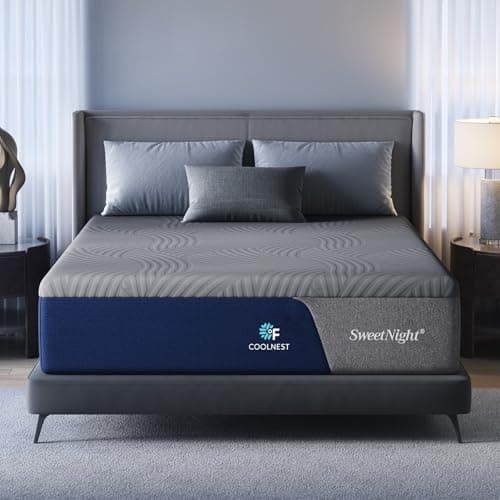 Sweetnight CoolNest 14" Memory Foam Fourteen inches and zoned support at a price the premium brands do not compete at - built softer where a shoulder lands and firmer under the hips, which is precisely the side-sleeping problem. Best for: Zoned pressure relief on a budget | Zoned pressure relief on a budget | $469.99 · View on Amazon Price as of September 12, 2026. #ad — we earn a commission. |
Pregnancy is a very specific set of demands
Most mattress advice is written for an average sleeper in no particular situation. Pregnancy is the opposite - it stacks several specific demands on a bed at once, and they arrive together. You are steered toward months of side-sleeping. Your hips and shoulders take more pressure and ache more. Your lower back is under new strain from the shifting load out front. You run hotter than usual. And you get up repeatedly through the night, so getting in and out of bed easily stops being a minor detail. A mattress that is merely "good" may still be wrong for all of that; the right one answers each demand deliberately.
One thing before anything else, and it matters: the position guidance running through this page - side-sleeping, often the left side, especially later on - comes from healthcare providers and organizations like ACOG and the Sleep Foundation, not from us. We help you sleep comfortably in the position your provider recommends; we do not give medical advice about how you should sleep while pregnant. If you have any question about that, ask them first. What follows is about making their advice comfortable to follow.
Why side-sleeping decides the whole bed
Because pregnancy means side-sleeping, the geometry of side-sleeping decides the mattress - the same logic as our best mattresses for side sleepers page, only with sorer, heavier pressure points. On your side you are not a flat plane: your shoulder and hip jut out and your waist retreats. A surface that is too firm refuses to let the shoulder and hip sink, so your spine bows upward and those points take all your weight - which is exactly the ache pregnancy makes worse. The bed has to let the shoulder and hip descend far enough that your waist meets the surface and your spine runs level.
That is why depth matters here more than for almost any other buyer: the comfort layer needs real room for a sore shoulder to travel, which is why the deepest beds on this page - the 13- and 14-inch options - lead it. A shallow 10-inch bed simply does not give a pregnant side-sleeper enough clearance before the core stops the shoulder dead.
Support and the weight that keeps changing
Here is the tension that makes a pregnancy mattress genuinely tricky: you want a surface soft enough to cushion your side, and a core firm enough to stop your hips - which are getting heavier - from sinking into a sag that wrenches your back. Those pull in opposite directions, and the balance point moves through the pregnancy. Earlier, or if you are lighter, a plusher surface (the Lucid) often feels best. Later, as weight increases, a firmer, coil-backed core (the DreamCloud hybrid) earns its place by holding your hips up. The medium-firm foam beds sit in the middle and suit the widest range.
This moving target is the single strongest argument for buying a bed with a long sleep trial. The firmness that is perfect in month four may be wrong in month eight, and only a year-long trial lets the mattress keep up with a body that is, by design, changing every few weeks. On this page more than most, the trial length is not a bonus - it is a feature you are buying.
Heat, and getting in and out
Two demands the average buyer ignores and a pregnant one cannot. First, heat: pregnancy commonly runs warm, and all-foam beds insulate - the deep foam that cushions your side is also a lot of insulation wrapped around you. If you are already overheating, that points you toward a hybrid, where a coil core lets air move through the middle of the bed in a way no cooling gel on a foam slab can match. Our cooling mattresses page makes the same case in full.
Second, edges. You will get out of bed far more often than usual, and a mattress with firm, supportive edges - again, a hybrid strength - makes sitting on the side and levering yourself up much less of a struggle than a bed whose edge collapses when you sit on it. It is a small thing until you are doing it five times a night in the third trimester, at which point it becomes one of the features you are most grateful for.
Before you buy a whole new bed
If your current mattress is structurally sound - no visible sag, no dip under your hips - but simply too firm for comfortable side-sleeping, try a topper first. Adding a compliant layer for your shoulder and hip to sink into is the exact fix for a too-firm bed, and it is a fraction of the cost of replacing the mattress during an already expensive time. The one thing a topper cannot do is rescue a bed that already sags: piling softness on top of a failed core makes your hips drop further and strains your back more. Toppers fix too-firm. They never fix too-soft. If your hips already sink into a visible dip, that is when a new bed is genuinely the answer.
The mattress is only half of it
The bed decides how far your shoulder and hip sink; a pregnancy pillow fills everything left - the bump, the gap between your knees that keeps your hips stacked, and the support behind your back that keeps you on your side. They are a system, and neglecting either undoes the other: a perfect mattress with an unsupported top knee still twists your hips, and a great pillow on a plank-firm bed still leaves your shoulder aching. Budget for both, and think of them as one purchase in two parts.
As with everything on this site, none of these beds were tested in a lab - there isn't one, and no one here has slept on a mattress through a pregnancy. What we can do is read the published specs honestly, reason from the geometry of side-sleeping and the specific demands pregnancy adds, and defer to your provider on the medical part. That method, and why every pick carries a "skip this one if," is on how we review.
The picks, in full
1. Best for Most pregnant sleepers
Nectar Premier 13" Memory Foam
The default. Thirteen inches of contouring foam gives an aching hip and shoulder somewhere to sink during months of side-sleeping, and a full year to change your mind covers a body that keeps changing.
Key specs
- 13" all-foam
- Medium firm (as listed)
- Contouring memory foam with a cooling top layer
- 365-night trial
- Forever warranty (as listed)
What's good
- Deep contouring foam is exactly what side-sleeping needs, and pregnancy is months of side-sleeping - the shoulder and hip get room to sink so the spine stays level instead of propped into an ache
- Thirteen inches is a genuinely deep comfort layer, which matters more here than on any other buyer because the pressure points are sorer and heavier than usual
- A 365-night trial is worth more during pregnancy than almost any other time, because your body, weight and comfort are changing month to month - a year lets the bed prove itself across that whole arc
What's not
- All-foam insulates, so it runs the warmest of the picks here - and pregnancy already runs hot; the hybrid below is the fix if you overheat
- "Medium firm" is Nectar's label, not a measurement, and comfort shifts as your weight does through the trimesters
- A 13-inch foam bed is heavy and awkward to set up - not a job to do alone late in pregnancy
Skip this one if
You already sleep hot, or the heat of pregnancy has arrived. All-foam is the warmest build here - buy the Nectar Ultra Hybrid below for deeper contouring with coils moving air through it.
2. Best for Hot sleepers and getting in and out
Nectar Ultra 15" Hybrid
The same deep contouring build with a coil core - so it sleeps cooler for a pregnancy that runs hot, and the firmer edges make the countless nightly trips out of bed easier.
#ad — we earn a commission.
Key specs
- 15" hybrid
- Medium firm (as listed)
- Memory foam over individually-wrapped coils
- 365-night trial
- Forever warranty (Nectar's published term)
What's good
- A coil core is mostly open space, so air moves through it - the one cooling feature that does not saturate partway through the night, which matters when pregnancy has turned up your thermostat
- Coils give firmer edge support, and that is a genuine pregnancy benefit: getting in and out of bed many times a night is easier when the edge holds instead of collapsing under you
- Still 15 inches, so you keep the contouring a side-sleeping pregnant body needs - you are not trading pressure relief for temperature
What's not
- The priciest pick here, and the coils are what you are paying for
- Coils transmit a little more motion than solid foam - a consideration if a restless partner already wakes you
- Same heavy, awkward 15-inch setup
Skip this one if
Motion transfer is your main worry - say, a partner who is up at different times. Solid foam isolates movement better; take the all-foam Nectar Premier above and accept running a touch warmer.
3. Best for Early pregnancy and lighter bodies
Lucid 12" Plush Gel Memory Foam
The softer, budget-friendlier option for earlier pregnancy or a lighter frame, when a medium-firm bed can feel like a plank and a plush surface is what actually relieves the hip.
Price as of September 12, 2026. #ad — we earn a commission.
Key specs
- 12" all-foam
- Plush (as listed)
- Gel memory foam
- Fiberglass-free (as listed)
- CertiPUR-US certified
What's good
- Lucid sells this bed in plush, medium and firm, and being able to choose the plush version is the point - a lighter body cannot compress a firmer comfort layer enough to sink a shoulder, so it sleeps like a plank
- A plush surface is often the more comfortable choice earlier in pregnancy before the extra weight of later months arrives
- Fiberglass-free and CertiPUR-US certified per the listing, both worth having at this friendlier price
What's not
- Plush foam gives way further under heavier loads, so as pregnancy progresses it may let your hips drop too far - the softness that helps early can work against you late
- All-foam, so it runs warm like the other foam picks
- No trial or warranty term stated in the listing, which is a real gap on a bed you are buying for a body that will change
Skip this one if
You are further along or carry more weight. Plush lets heavier hips sink past alignment as the pregnancy progresses - the medium-firm Nectar Premier or the supportive DreamCloud below will hold you better.
4. Best for Later-pregnancy support
DreamCloud 12" Hybrid
The supportive hybrid for the later months, when the extra weight needs a firm, coil-backed core that keeps your hips up and gives you a solid edge to push off from at 3 a.m.
Price as of September 12, 2026. #ad — we earn a commission.
Key specs
- 12" hybrid
- Medium firm (as listed)
- Foam over pocketed coils
- 365-night trial (as listed)
- Forever warranty (as listed)
What's good
- A coil core resists the added weight of later pregnancy so your hips stay supported rather than sinking into a hammock that strains your back - the failure mode a too-soft bed creates
- Firm, coil-reinforced edges make sitting on the side to put on shoes, and levering yourself up repeatedly through the night, far less of an ordeal
- A 365-night trial and forever warranty per the listing, which cover the changing-body problem the way the Nectar terms do
What's not
- A firmer, more supportive feel gives a little less of the deep cushioning a dedicated side-sleeping foam bed offers - it is the support-first pick, not the plushest
- Hybrids transmit slightly more motion than all-foam
- Medium firm may read firmer than a very light sleeper wants earlier in pregnancy
Skip this one if
You are early in pregnancy, lighter, and mainly want plush pressure relief for your shoulder and hip. This is the support-first choice - the Lucid plush or the Nectar Premier foam cushion better.
5. Best for Zoned pressure relief on a budget
Sweetnight CoolNest 14" Memory Foam
Fourteen inches and zoned support at a price the premium brands do not compete at - built softer where a shoulder lands and firmer under the hips, which is precisely the side-sleeping problem.
Price as of September 12, 2026. #ad — we earn a commission.
Key specs
- 14" all-foam
- Medium (as listed)
- Cooling memory foam
- 5-zone ergonomic support (as listed)
- CertiPUR-US certified
What's good
- Zoning targets the side-sleeping pregnant body directly: softer under the shoulder, firmer under the hips, instead of one uniform layer trying to do both jobs
- Fourteen inches is the deepest build here, so there is the most room for a sore shoulder to travel before the core stops it
- The most affordable way onto a deep, zoned bed, with a CertiPUR-US certification stated on the listing
What's not
- Zones assume an average body length, and the listing does not say which - if you are notably short or tall, your shoulder may land in the wrong zone
- All-foam, so it runs warm despite the cooling name - a 14-inch foam slab is a lot of insulation
- No trial or warranty term stated, which is the usual budget-tier gap
Skip this one if
You are much shorter or taller than average, or you want the reassurance of a long trial for a changing body. A wrong-fit zone is worse than no zoning - the un-zoned Nectar Premier with its year-long trial is the safer bet.
Common questions
What kind of mattress is best during pregnancy?
One that cushions side-sleeping without letting your hips sink - which usually means a medium to medium-firm bed with a deep comfort layer and a supportive core, not a hard plank and not a bed you sink into. The reason is that pregnancy is months of side-sleeping, and on your side the shoulder and hip are the widest points while the waist is a gap; the surface has to let those points sink enough to keep your spine level while the core still stops your heavier hips from dropping into a hammock. As your weight increases through the pregnancy, a bit more support becomes valuable. Every pick here is chosen against that pattern.
Do I really have to sleep on my side while pregnant?
That is a question for your own healthcare provider, and their guidance is the one that counts - not ours. What we can say is that many providers advise side-sleeping, often on the left, particularly later in pregnancy, and that is why a mattress built for side-sleeping is the right frame for this page. We sell no medical advice; we help you sleep comfortably in whatever position your provider recommends. If you have any concern about sleeping position during pregnancy, ask them first.
Should a pregnancy mattress be firm or soft?
Medium to medium-firm for most people, and it shifts as the pregnancy does. Too firm and your shoulder and hip cannot sink, so your spine bows and those points ache; too soft and your hips - carrying the extra weight of pregnancy - sink too far and strain your lower back. Earlier on, or if you are lighter, a plusher surface can be more comfortable; later, as weight increases, a bit more support keeps your hips up. This is exactly why a long sleep trial is so valuable during pregnancy: the right firmness is a moving target, and a year lets the bed keep up with it.
Can I just add a mattress topper instead of buying a new bed?
Often yes, and it is worth trying first if your current mattress is structurally sound but too firm. A topper adds a compliant layer for a sore shoulder and hip to sink into, which is the exact thing a too-firm bed denies a side sleeper - a cheap, fast fix for the most common pregnancy complaint. What a topper cannot do is rescue a sagging or worn-out bed: adding softness on top of a core that already lets your hips drop makes the alignment worse, not better. Toppers fix too-firm; they never fix too-soft or sagged.
Will a pregnancy pillow help as much as the mattress?
They do different halves of the same job, and you really want both. The mattress decides how far your shoulder and hip sink; a pregnancy pillow fills everything left over - supporting the bump, going between the knees to stack your hips, and propping your back so you stay on your side. A great mattress with no pillow support still leaves your top knee dragging your hips out of line, and a great pillow on a too-firm bed still leaves your shoulder aching. Pair a side-sleep-friendly mattress with a proper pregnancy pillow for the full effect.
Sources
Where the facts on this page come from. We cite other people's testing because we don't do our own — here's what that means.
Read next
- The Best Pregnancy PillowsFive pregnancy pillows sorted by shape (U, J and extra-long), covering budget, cooling and small-bed options - with honest notes on bed space and who should skip each.
- The Best Mattresses for Side SleepersSix mattresses with comfort layers deep enough to let a shoulder and hip sink — the actual problem side sleepers are trying to solve.
- The Best Mattresses for Hip PainSix mattresses judged on pressure relief and alignment for side sleepers — led by memory foam and plush hybrids, because the hip needs to sink in, not be held out.
- The Best Mattresses for Lower Back PainSix mattresses judged purely on support and spinal alignment — and why medium-firm, not firm, is where the evidence points.
- The Best Cooling Mattresses for Hot SleepersSix mattresses that actually sleep cooler, led by hybrids because a coil core is the only cooling feature that doesn't saturate by midnight — with honest cons on every pick.
- How Your Sleep Position Changes the Bed You NeedEach sleep position presses a different shape into the bed. Side wants softer plus a tall pillow, back medium-firm plus medium loft, stomach firm plus flat or none.