How to Clean a Mattress
Cleaning a mattress is mostly about one rule — never soak it — and a bit of patience. Here's the routine, the stain fixes, and the honest note on what a cleaning can't undo.
We earn a commission if you buy through our links. It doesn't affect our picks — and we never take free products. How this site is funded.
You spend a third of your life on your mattress, and unlike the sheets on top of it, it never goes in the wash. Over the years it quietly collects sweat, skin, dust and the occasional spill — which is why cleaning it now and then keeps it fresher and, honestly, less gross. The good news is that it's simple and cheap, and most of it is waiting rather than scrubbing. The whole thing rests on one rule, so learn that first.
The one rule: never soak a mattress
Everything else on this page is a footnote to this. A mattress is made of foam and padding, and those materials absorb water and hold onto it. Soak a mattress — with a bucket, an over-enthusiastic steam cleaner, or a cleaning spray applied too generously — and the water sinks into the core where air can't reach it, and a damp foam core is exactly where mold and mildew grow. That's a far worse and more permanent problem than any stain you were trying to remove, and it can end the mattress entirely.
So the golden rule for every step below is: use the least liquid that works, blot rather than pour, and always let the mattress dry completely before you make the bed. A stain is cosmetic. Mold inside the foam is terminal.
The routine clean, step by step
This is the every-few-months refresh. It takes an afternoon, but most of that is the mattress sitting untouched while baking soda does the work.
- Strip the bed and wash everything. Sheets, pillowcases, and the mattress protector all go in on the hottest wash the fabric allows. This is the part that matters most and the part people skip — the bedding is the layer actually catching your sweat and skin, so washing it well does most of the freshening.
- Vacuum the whole surface. Use the upholstery attachment and go over the top, the sides, and especially the seams and crevices, where dust, dead skin and dust mites collect. This is dry cleaning in the literal sense — no liquid, all lifting.
- Spot-treat any stains. Deal with marks individually (method below) rather than wetting the whole mattress. Do this before the baking soda step so everything dries together.
- Deodorize with baking soda. Sift a generous, even layer of baking soda across the entire surface and leave it for several hours, or overnight if you can sleep elsewhere. Baking soda absorbs odor and residual moisture. Then vacuum every bit of it back off.
- Air it out and let it dry.Open a window, or stand the mattress on its side for a while if you can. Make sure it's bone dry before the protector and sheets go back on.
Dealing with stains
Two principles cover almost every stain. First, blot, never rub — rubbing drives the stain deeper into the padding and spreads it wider. Second, match the cleaner to the mess:
- Sweat, urine, blood and other body fluids are protein stains, and an enzyme cleaneris the right tool. Enzymes break the proteins down rather than just diluting them, which is why they work where soap and water don't. Apply lightly, let it sit the time the label says, then blot with a barely-damp cloth.
- Blood specifically: cold water only, always. Heat cooks the protein and sets the stain permanently, so hot water makes it worse.
- General marks and drink spills: a few drops of dish soap in water, or a paste of baking soda with a little hydrogen peroxide, applied to a cloth and dabbed on. Test peroxide on a hidden corner first, as it can lighten some fabrics.
Whatever you use, keep it to a small amount, work from the outside of the stain inward, and blot it dry afterward. Then let that spot dry fully before it's covered.
Smells: sweat versus urine
For a generally stale or sweaty smell, the baking soda step from the routine clean is usually enough — a thick layer, several hours, then vacuumed off, and repeat if it's stubborn. For urine — a child's accident, a pet, illness — baking soda alone won't cut it, because the smell comes from proteins that have to be broken down, not just absorbed. Use an enzyme cleaner made for urine, applied lightly and blotted, then finish with baking soda once the spot is dry. Air the mattress out thoroughly afterward.
Prevention is the whole game
Here's the honest truth a cleaning guide should tell you up front: the best way to clean a mattress is to keep it from getting dirty. A washable mattress protector is a waterproof barrier between you and the foam — it catches the sweat, oils and spills that would otherwise soak in, and when it's dirty you throw itin the wash instead of wrestling with the mattress. It also keeps most warranties valid, since a single stain voids many of them. Every deep clean you do on an unprotected mattress is a chore a protector would have prevented. If your bed doesn't have one, that's the first upgrade to make after this clean.
What cleaning can't fix
A clean is a refresh, not a repair, and it's worth being clear about the line. Cleaning removes stains, smells, dust and allergens from the surface. It does nothing for a mattress that's worn out— a permanent sag, a body impression that won't recover, coils you can feel, a bed that leaves you stiff every morning. Those are structural failures, and a spotless worn-out mattress is still a worn-out mattress. If your bed is sagging or you're waking up sore, cleaning it is polishing the wrong problem — our guide on when to replace a mattress walks the signs, and if it's genuinely time, the best mattresses on Amazon is where to start. And if the surface is sound but just tired or too firm, a topper refreshes the feel for far less than a new bed.
The cheap stuff worth having
The two things this page keeps pointing at: the spray that actually breaks a protein stain down rather than spreading it, and the barrier that means you won't be doing any of this next time.
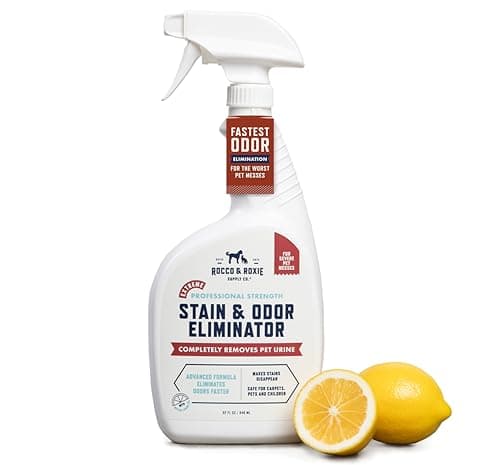
Rocco & Roxie Extreme Enzyme Stain & Odor Eliminator
The one product that breaks a protein stain — sweat, urine, blood — apart instead of diluting it and pushing it deeper into padding you can't wash.
Skip it if The mark is old, dry and purely cosmetic on a bed you're replacing anyway. Enzymes work on what they can still reach, not on years of it.
$27.97 · View on AmazonPrice as of September 10, 2026. #ad — we earn a commission.
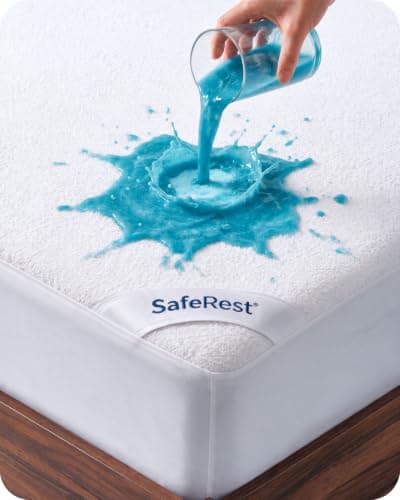
SafeRest Waterproof Mattress Protector
The cheapest insurance a bed can carry: it keeps sweat and spills out of foam you can never wash, and keeps off the single stain that voids a lot of mattress warranties.
Skip it if You already sleep on a protector you get on with. This is the top pick from our protector roundup, not a second layer to stack on the first.
Common questions
How do you clean a mattress?
The routine version has five steps and takes an afternoon, most of it waiting. Strip the bed and wash all the bedding on the hottest setting the fabric allows. Vacuum the whole mattress surface and seams with an upholstery attachment to lift dust, skin and dust mites. Spot-treat any stains (see below) rather than soaking the whole thing. Deodorize by sifting a thick layer of baking soda over the surface, leaving it several hours or overnight, then vacuuming it all off. Let the mattress air out and dry fully before you remake the bed. The single rule underneath all of it: never soak a mattress, because the foam and padding hold water and can grow mold.
How do I get stains out of a mattress?
Match the method to the stain, and blot — never rub, which pushes it deeper. For general and protein stains (sweat, blood, urine), an enzyme cleaner is the most effective tool, because enzymes actually break down the proteins rather than just diluting them; apply it lightly, let it sit, then blot with a damp cloth. A homemade mix of a little dish soap in water, or a paste of baking soda and a small amount of hydrogen peroxide, works on many stains too. For blood specifically, use cold water only — heat sets it permanently. The universal rule is to use as little liquid as possible and blot it up, because a soaked mattress is a worse problem than a stain.
How do I get sweat or urine smell out of a mattress?
Baking soda for general staleness and sweat; an enzyme cleaner for urine. For a musty or sweaty smell, sift a thick layer of baking soda over the whole surface, leave it for several hours or overnight so it can absorb odor and moisture, then vacuum it off completely. For urine — from a child, a pet, or illness — baking soda alone won't do it, because the smell comes from proteins that need to be broken down: use an enzyme cleaner made for the job, applied lightly and blotted, then finish with baking soda once it's dry. Air the mattress out fully afterward. Prevention beats all of this: a waterproof protector stops these smells from ever reaching the foam.
How often should I clean my mattress?
A quick vacuum and deodorize every few months, a deeper clean once or twice a year, and spot-treat spills the moment they happen. Realistically, most of the 'cleaning' that keeps a mattress fresh is washing the bedding and protector regularly, since those are the layers actually catching your sweat and skin — do that every week or two. The mattress itself needs far less attention if it's protected. Line up the seasonal deep clean with rotating the mattress head-to-foot, so you're doing two life-extending chores in one afternoon.
Can you clean a mattress with a steam cleaner?
Cautiously, and it's easy to overdo. Light steam can help lift surface grime and kill dust mites, but steam is hot water, and the whole risk with a mattress is moisture soaking into foam that can't dry out. If you steam, use the lightest setting, keep the head moving, never saturate the surface, and give the mattress many hours of airflow to dry completely before remaking the bed. For most people a vacuum, spot-treatment and baking soda do the job with none of the moisture risk. If your mattress is memory foam, be especially conservative — dense foam holds water longest.
Sources
Where the facts on this page come from. We cite other people's testing because we don't do our own — here's what that means.
Read next
- How to Get Rid of Dust Mites in Your BedYou cannot get rid of dust mites completely - but you can cut their numbers and allergen load. The habits that genuinely work, ranked, minus the hype.
- How to Get Stains Out of a MattressA stain-by-stain method for a mattress — sweat and yellowing, urine, blood, and everyday spills — built on the rules that matter most: blot never rub, use barely any moisture, and dry it fully so you never trade a stain for mold.
- How to Store a Mattress the Right WayHow to store a mattress without ruining it — clean and dry first, lay it flat instead of on its side, and keep it off a damp floor. The mistakes that quietly wreck a stored bed.
- How to Get Rid of an Old MattressSix real ways to dispose of an old mattress — retailer haul-away, municipal bulky pickup, mattress recycling, donation, junk removal, and resale — with the honest catch on each.
- The Best Mattress ProtectorsSix mattress protectors that block liquid without sleeping hot or crinkling — fitted pads and zippered encasements — with an honest note on who each is wrong for.
- How Often Should You Replace a Mattress?Most mattresses last 6-8 years, but sag and morning stiffness are better signals than age. How to tell a worn-out bed from one that just needs a topper.
- The Best Sheets on AmazonSix Amazon sheet sets worth buying, plus how to read a listing: why thread count lies, what Egyptian cotton isn't, and the sizing spec that causes most returns.
- The Best Mattresses on AmazonSix Amazon mattresses worth your money, with live prices and an honest note on who each one is wrong for.
- The Best Mattress ToppersSix mattress toppers worth buying, and the simple test that tells you whether a topper will fix your bed or waste your money.